
Hydrawav3 News: Did you know that integrating cutting-edge AI and wearable technology in physical therapy can reduce therapist burnout while improving patient outcomes?
As digital health trends physical therapy rapidly evolve, practitioners and patients alike are witnessing unprecedented shifts in care delivery. This article explores how innovative platforms like Hydrawav3 are revolutionizing physical therapy by combining data-driven insights with hands-off recovery tools—boosting clinical efficiency and elevating patient recovery experiences.
Hydrawav3 News: Startling Growth and Trends in Physical Therapy
The surge in digital health trends physical therapy reflects a growing demand for personalized, tech-enabled patient care that enhances clinical outcomes. Physical therapists now face mounting pressure to deliver effective treatments swiftly while managing increasing caseloads and administrative duties. In response, digital health innovations are transforming how mobility challenges are assessed and addressed, shifting from subjective observations to objective, AI-powered data analysis.
Hydrawav3 exemplifies this transformation by merging intelligent software with hands-off wearable hardware, creating a platform that provides therapists crystal-clear insight into patients’ movement patterns and neuromuscular imbalances. This approach significantly lowers guesswork and reduces physical strain on therapists—helping clinics deliver consistent, repeatable recovery sessions within a wellness-centric model.

The Rising Demand for Tech-Enabled Patient Care and Enhanced Outcomes
Across the country, clinics are embracing technology to meet patients’ expectations for personalized care, creating opportunities for improved engagement and outcome tracking. The rising adoption of digital tools supports therapists in customizing exercise programs and tracking progress remotely, fostering adherence and accelerating recovery timelines.
Sivakumar Palaniswamy, Founder and CEO of Hydrawav3, explains, “Our platform pairs intelligent software with hands-off hardware to give therapists clearer insight into mobility challenges, reducing guesswork and physical strain. ” This dual approach not only empowers therapists to make informed clinical decisions but also enhances the patient experience through more transparent, outcome-driven care.
Overview of Trends Physical Therapy: Key Innovations and Tools
Wearable Technology and AI-Powered Mobility Reports
One of the most impactful trends within digital health trends physical therapy is the integration of wearable technology combined with AI-driven analytics. Hydrawav3’s flagship system exemplifies this by coupling an innovative wearable mobility device with a newly launched AI Mobility Report. This report synthesizes complex kinetic-chain dynamics and movement assessment through actionable visuals and insights tailored to each patient.
Therapists gain a structured end-to-end view of neuromuscular patterns which allows them to validate clinical intuition with objective data, ensuring consistent diagnosis and treatment plans. By leveraging these wearables, recovery sessions become more standardized and scalable, enabling practitioners to extend their reach without increasing physical workload.
Integration of Digital Health in Physical Therapist Workflows
Adopting digital health solutions can be disruptive if not seamlessly integrated into existing workflows. Hydrawav3 recognizes these challenges and designed their platform to complement hands-on care without overwhelming clinicians. Its wellness-first philosophy ensures practices can integrate AI-powered analysis and wearable recovery tools into daily sessions effortlessly, enhancing rather than disrupting treatment delivery.
This adoption supports therapists in scaling care while maintaining high-quality outcomes, crucially addressing burnout caused by increasing clinical complexity. Therapists can spend less time guessing and more time engaging with patients through evidence-backed interventions supported by digital insight.
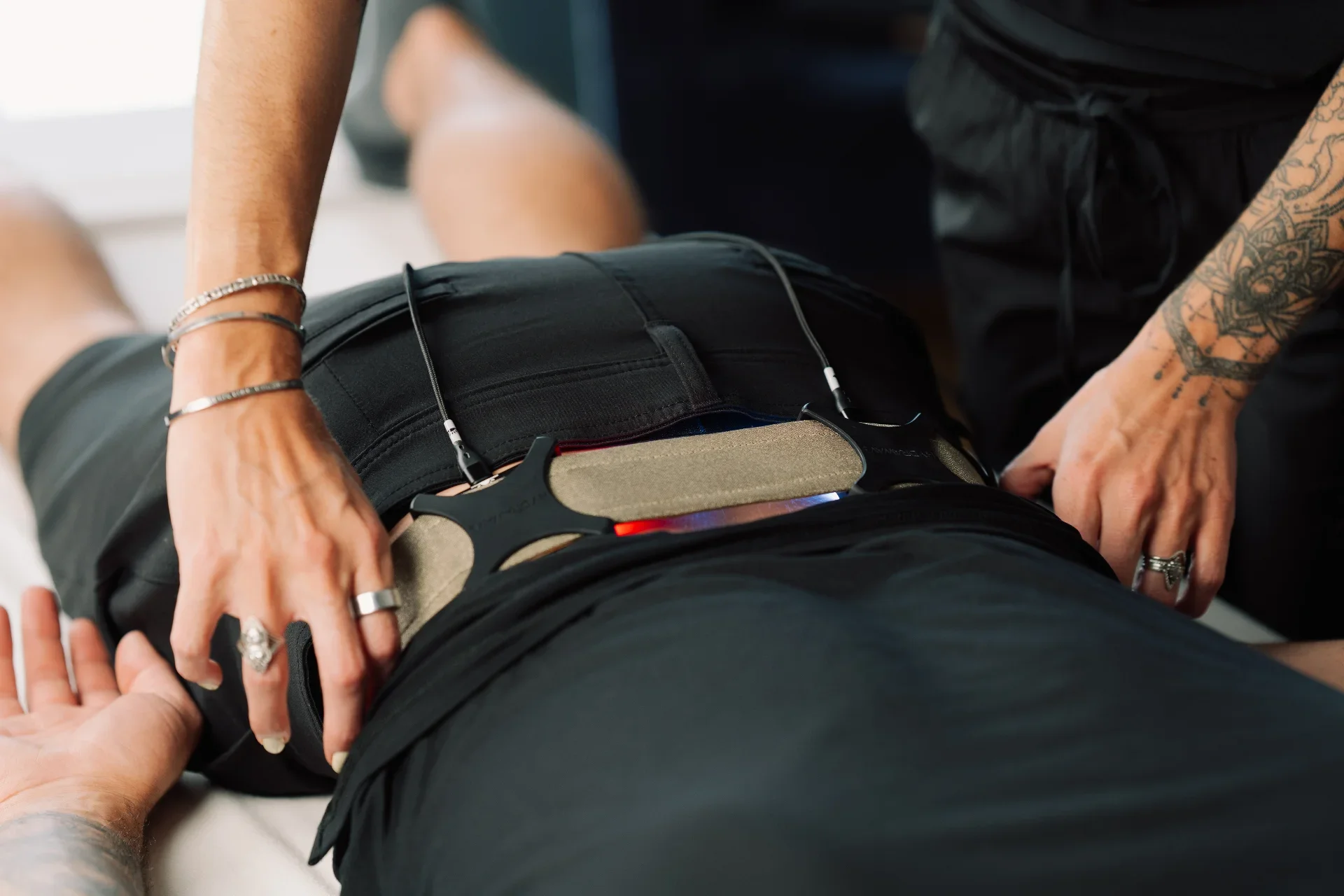
How Digital Health Trends Physical Therapy Enhance Patient Outcomes and Care
Improving Patient Engagement Through Technology
Patient engagement is a key determinant of successful physical therapy outcomes. Modern digital health technologies facilitate continuous interaction outside clinical visits, keeping patients motivated and accountable. Mobile apps synced with wearable devices enable patients to track progress, receive real-time feedback, and adhere to prescribed home exercise regimens.
These tools empower patients to take ownership of their recovery journey, improving compliance and long-term outcomes. The ability to visualize measurable progress via digital platforms enhances satisfaction and encourages consistent participation, ultimately resulting in faster and more sustainable functional improvements.

Supporting Personalized Exercise Programs and Home Exercise Compliance
According to Sivakumar Palaniswamy of Hydrawav3, “Our aim with AI Mobility Reports is to help organize movement insights clearly, enabling therapists to deliver consistent, repeatable recovery experiences that improve patient outcomes. ” This data clarity supports the prescription of personalized exercise programs tailored to each patient’s unique movement patterns.
By aligning digital insights with rehabilitation protocols, therapists can confidently adjust treatment plans based on objective progress, enhancing home exercise compliance and fostering better recovery trajectories. This patient-centric approach leverages technology to transform home exercise from a static instruction into an actively monitored and dynamic component of care.
Addressing Industry Challenges: Therapist Burnout and Complex Movement Assessment
Reducing Physical and Cognitive Workload with Digital Health Solutions
Therapist burnout is a pressing concern in the physical therapy community, with high caseloads and complex assessments compounding stress and reducing quality of care. Digital health trends physical therapy, such as Hydrawav3’s platform, act as vital supports to alleviate both physical and cognitive workloads.
The hands-off hardware facilitates repeated wellness sessions with minimal physical exertion, while AI-assisted reports reduce mental strain by providing structured data analysis. This combination frees clinicians to focus their expertise where it matters most—on nuanced clinical decision-making and patient interaction rather than routine assessments.
Balancing Hands-On Care with Scalable Digital Support
Rather than replacing human touch, digital health tools in physical therapy aim to balance hands-on care with scalable digital support. Hydrawav3’s wellness-first platform ensures that technology enhances practitioner sustainability and accessibility.
This approach allows clinics to grow and adapt to evolving patient demands while preserving clinical intuition and patient-therapist relationships. As Sivakumar Palaniswamy notes, “Hydrawav3 empowers practitioners with contextual information to support their clients’ assessment. ” Such innovations represent a vital step in evolving physical therapy toward future-ready, patient-centered care.
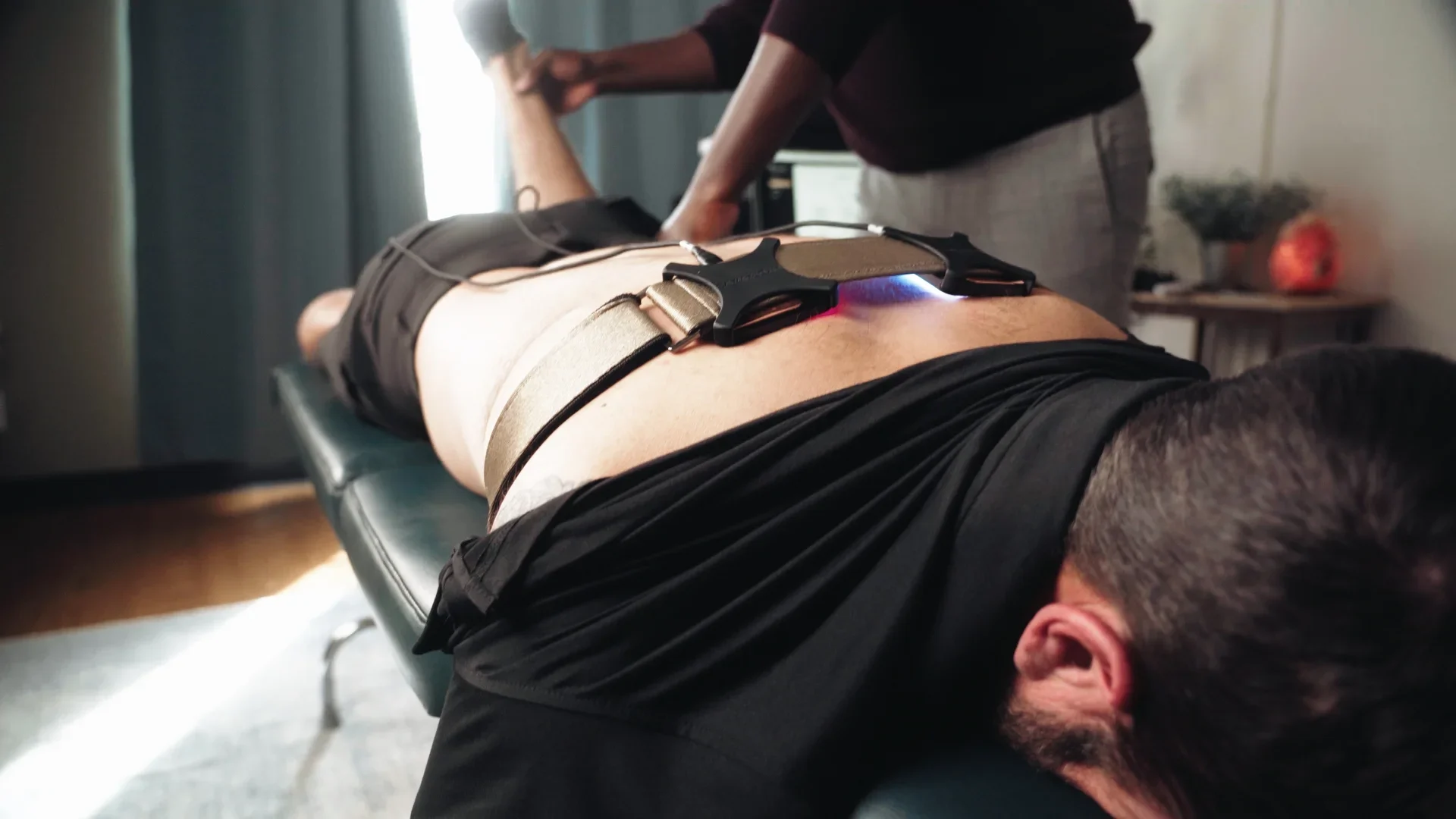
Best Practices for Physical Therapists Adopting Digital Health Trends
Integrating Digital Tools Without Overwhelming Clinical Workflows
Successful adoption of digital health requires thoughtful integration that respects existing clinical workflows. Hydrawav3’s platform is designed for ease of use, ensuring that therapists can incorporate wearable and AI tools without added complexity or disruption.
Clinics should prioritize solutions that augment rather than replace therapist expertise and allow staff to learn and adopt at a manageable pace. Training, ongoing support, and clear demonstration of clinical value are essential to overcome resistance and fully leverage technology benefits.

Enhancing Patient Education and Remote Monitoring
Digital health innovations enable enhanced patient education through interactive tools, data visualization, and remote monitoring capabilities. These features allow therapists to engage patients beyond the clinic, ensuring adherence to exercise protocols and early detection of setbacks.
By incorporating remote tracking and communication, therapists maintain continuity of care and personalize interventions dynamically, all of which significantly improve patient satisfaction and recovery trajectories.
What You’ll Learn: Key Takeaways on Digital Health Trends Physical Therapy
-
Understanding the role of AI and wearables in modern physical therapy
-
How digital health improves patient engagement and outcomes
-
Strategies to reduce therapist burnout through technology
-
Balancing hands-on care with digital support for scalable practice
Comparison of Traditional vs. Digital Health-Enabled Physical Therapy Approaches: Features, Benefits, and Limitations
| Feature | Traditional Physical Therapy | Digital Health-Enabled Physical Therapy |
|---|---|---|
| Assessment Method | Visual/manual evaluation, subjective judgment | AI-powered analysis with objective movement data |
| Therapist Workload | High physical & cognitive strain | Reduced strain via hands-off wearables and automation |
| Patient Engagement | Limited to in-person visits | Continuous engagement through apps and remote monitoring |
| Treatment Personalization | Based largely on experience and trial | Data-driven personalization with predictive insights |
| Scalability | Constrained by manual delivery | Enhanced by digital tools supporting repeatable protocols |
| Regulatory Status | Clinical, with FDA oversight | Wellness-first assistive platforms |
People Also Ask: Common Questions About Digital Health Trends in Physical Therapy
What are the main digital health trends impacting physical therapy today?
Key trends include the integration of wearable sensors, AI-driven mobility reports, and immersive technologies like virtual reality. These innovations help therapists collect detailed movement data, enhance patient engagement, and deliver more personalized rehabilitation programs.
How does AI improve physical therapist decision-making?
AI organizes complex movement data into clear, actionable insights, reducing guesswork and supporting clinical intuition. It helps identify neuromuscular imbalances and kinetic-chain stress points, guiding therapists toward targeted interventions and scalable care plans.
Can digital health tools reduce therapist burnout?
Yes, by automating repetitive assessments and delivering hands-off recovery sessions, digital health platforms lessen the physical and cognitive load on therapists. This allows clinicians to focus on higher-level clinical decisions and patient interaction, improving sustainability.
Embracing Digital Health Trends Physical Therapy for Future-Ready Care
Sivakumar Palaniswamy emphasizes, “By combining smart technology with hands-off digital health approach, Hydrawav3 supports better movement outcomes while allowing therapists to scale care more efficiently. ” Embracing these digital health trends is essential for practitioners aiming to enhance efficiency, reduce burnout, and deliver superior, personalized patient outcomes.
Unlock Your Mobility Within Minutes: Schedule a Demo
Visit https://www.hydrawav3.com/ to explore innovative digital health solutions for physical therapy.
Sources
The integration of digital health technologies is revolutionizing physical therapy, enhancing both practitioner efficiency and patient outcomes. The American Physical Therapy Association’s article, Digital Health in Practice, highlights how tools like remote monitoring, virtual reality, and wearable sensors are transforming care delivery by providing clinicians with critical data on patient progress and outcomes. Additionally, the MGH Institute of Health Professions’ piece, The Evolution of Physical Therapy: Trends and Future Outlook, discusses the adoption of telehealth services and wearable technology, enabling therapists to offer more personalized and accessible care. If you’re serious about staying at the forefront of physical therapy, these resources will provide valuable insights into the latest digital health trends shaping the field.