
Schleuniger News
Did you know that manufacturers are increasingly challenged to produce complex wiring assemblies with fewer skilled operators while maintaining stringent quality standards? In today’s competitive manufacturing landscape, balancing efficiency with quality control is vital. As industries evolve, wire processing automation is becoming the cornerstone of smart production lines, enabling manufacturers to reduce manual labor dependence, cut changeover times, and achieve impeccable defect detection. This article delves into key advancements shaping the future of wire processing, highlighting how companies like Komax and Schleuniger are pioneering practical automation solutions tailored to modern manufacturing needs.
Startling Trends in Wire Processing Automation
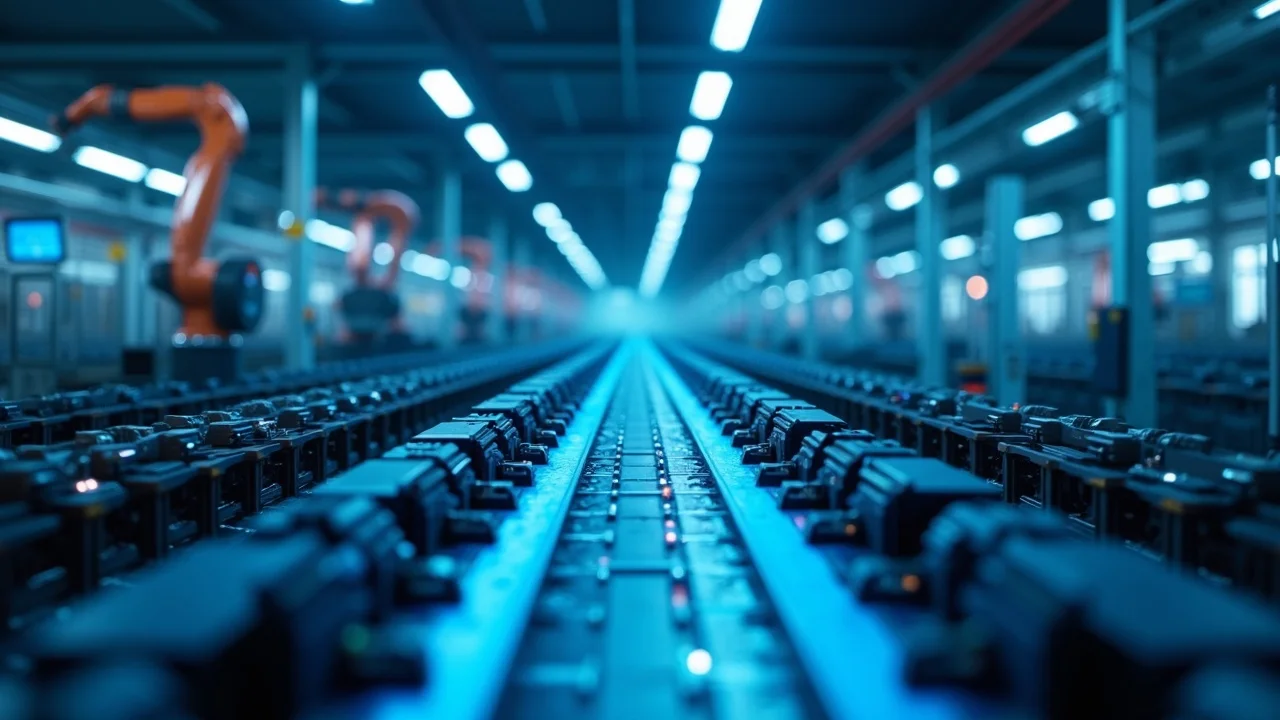
Wire processing automation is rapidly shifting from simple mechanization to highly integrated wire processing systems that connect directly with production data and enterprise resource planning (ERP). This elevated integration enables wire processing machinery to receive precise instructions from ERP systems, minimizing setup errors and drastically reducing changeover time. Rob Boyd, Head of Product Management at Schleuniger, Inc. , underscores this evolution: “We’re helping customers get their data from ERP systems directly to the machine to be most efficient, reducing changeover time and operator influence. ” For manufacturers facing labor shortages and increasing wiring complexity, these trends represent a paradigm shift toward smarter, more reliable production.
Not only does wire processing automation enhance throughput, but it also mitigates operator-dependent variability, a critical factor in quality consistency. Komax and Schleuniger are responding to market demands by offering scalable automation—from full-process systems for high-volume manufacturers to selective automation solutions for those operating with tighter budgets. The focus is on automating the most defect-prone steps, thereby delivering measurable improvements in quality and cost control.
For a deeper look at the companies driving these advancements and their latest solutions, you can explore the comprehensive offerings and innovations detailed on the Schleuniger | Komax official website. This resource provides additional insights into how industry leaders are shaping the future of wire processing automation.
Overview of Wire Processing Automation and Its Role in Manufacturing
Rob Boyd, of Schleuniger, Inc. , explains, “We’re helping customers get their data from ERP systems directly to the machine to be most efficient, reducing changeover time and operator influence. “
Wire processing automation refers to the deployment of specialized wire processing machines and software systems to handle the cutting, wire stripping, crimping machine operations, and assembly of wires and cables with minimal manual intervention. This technology plays a critical role in manufacturing environments that demand high precision and repeatability, such as automotive, aerospace, telecommunications, and electronics assembly.
Central to automation effectiveness are wire processing machines and wire processing centers. These machines execute specific tasks like automatic cutting and stripping with unmatched precision, while processing centers consolidate multiple functions into a streamlined workflow. By integrating these systems with manufacturing execution systems (MES) and ERP platforms, manufacturers achieve real-time data traceability and superior process control, decreasing downtime and boosting production rates.
Key Components: Wire Processing Machines and Processing Centers
Wire processing machines come in diverse forms tailored to task complexity—ranging from compact automatic stripping machines to sophisticated crimping machines and assembly stations. A wire processing center acts as a hub where several functions, including cutting, stripping, inspection, and terminal crimping, coalesce to produce complete harnesses efficiently. These solutions facilitate flexible manufacturing lines that adapt to varying wire sizes, types, and industry requirements.
Modern machines are equipped with sensors and software designed for inline quality assurance, such as automatic conductor detection and crimp force monitoring. This embedded intelligence allows for immediate defect detection, dramatically reducing scrap rates and enabling rework where possible, thus saving materials and process time.
Automated Wire Solutions: Enhancing Cable Assembly and Wire Harness Production
Rob Boyd highlights, “Our quality systems, such as automatic conductor detection and crimp force monitoring, detect defects immediately, saving customers wasted materials and process steps. “
In cable assembly and wire harness production, precision and repeatability are paramount for ensuring high-quality automated wire and wire end ferrule processing. Automated wire processing solutions elevate manufacturing by delivering consistent quality and faster throughput. Technologies like automatic stripping and crimping machines reduce manual handling errors, offering superior cable integrity and reliability.
For example, Komax and Schleuniger’s automated inspection systems monitor key parameters in real time. As Rob Boyd explains, “Our quality systems detect defects as soon as they occur. In some cases, harnesses can be set aside for possible rework, saving customers from wasted process steps and material costs. ” This proactive defect management system not only improves product yield but also empowers manufacturers to respond instantly to quality disruptions.
Addressing Manufacturing Challenges with Wire Processing Automation
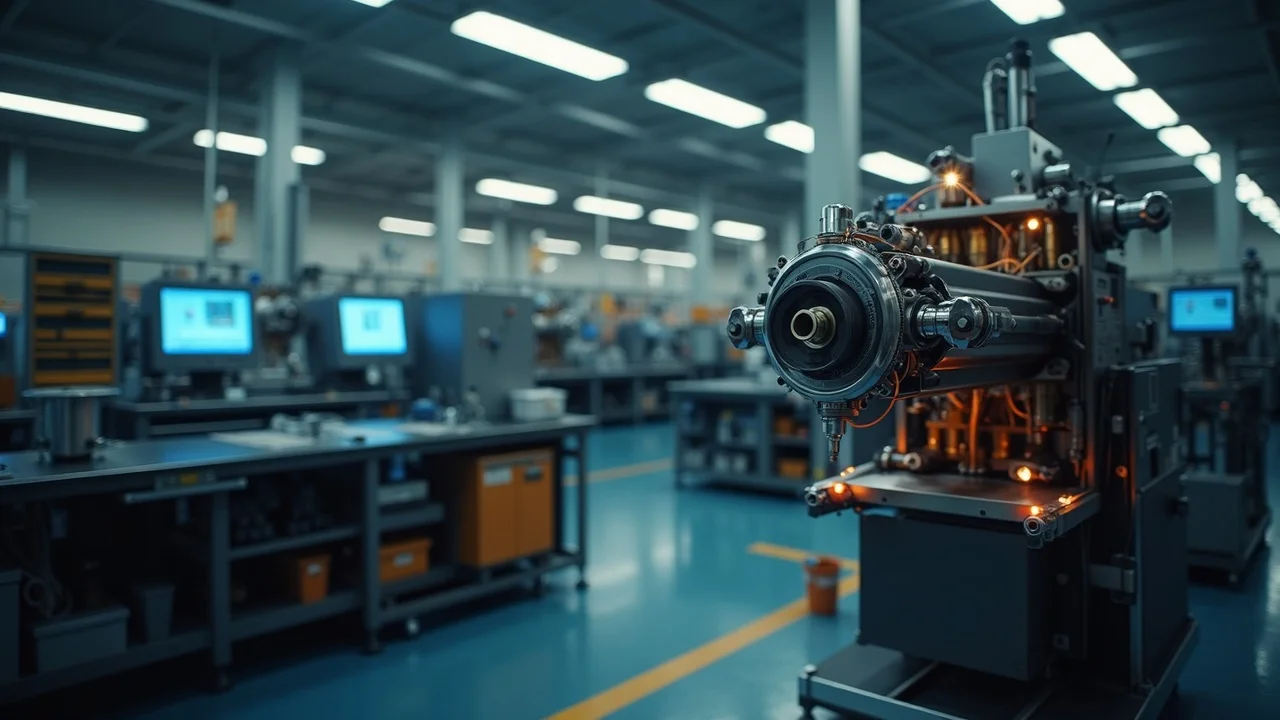
Manufacturers today grapple with three intertwined challenges: labor shortages, process variability, and the rising complexity of wire harness and wiring assemblies. Wire processing automation addresses these by implementing lean processes that require less operator intervention while maintaining flexibility and quality standards.
One critical focus area is reducing changeover time— the duration taken to switch from producing one product variant to another—using automated cable and wire processing systems. Faster changeovers increase equipment uptime and responsiveness to customer demands. According to Rob Boyd, “Reducing changeover time and operator influence is essential given the current scarcity of skilled labor. ” These improvements also lower the risk of errors introduced during manual setups.
Reducing Changeover Time and Operator Influence
Eliminating operator-dependent variability is vital for ensuring consistent quality. Automation systems can execute precise, repeatable sequences that are difficult to replicate manually. By integrating ERP data directly with machine programming, setups become faster, less prone to human error, and easier to manage.
Additionally, modular automation solutions allow manufacturers to automate critical bottlenecks without a full overhaul, making investment scalable to budget constraints. This incremental approach is well-suited to manufacturers transitioning toward greater automation in paced steps rather than an all-or-nothing conversion.
Innovations in Automatic Stripping and Crimping Technologies
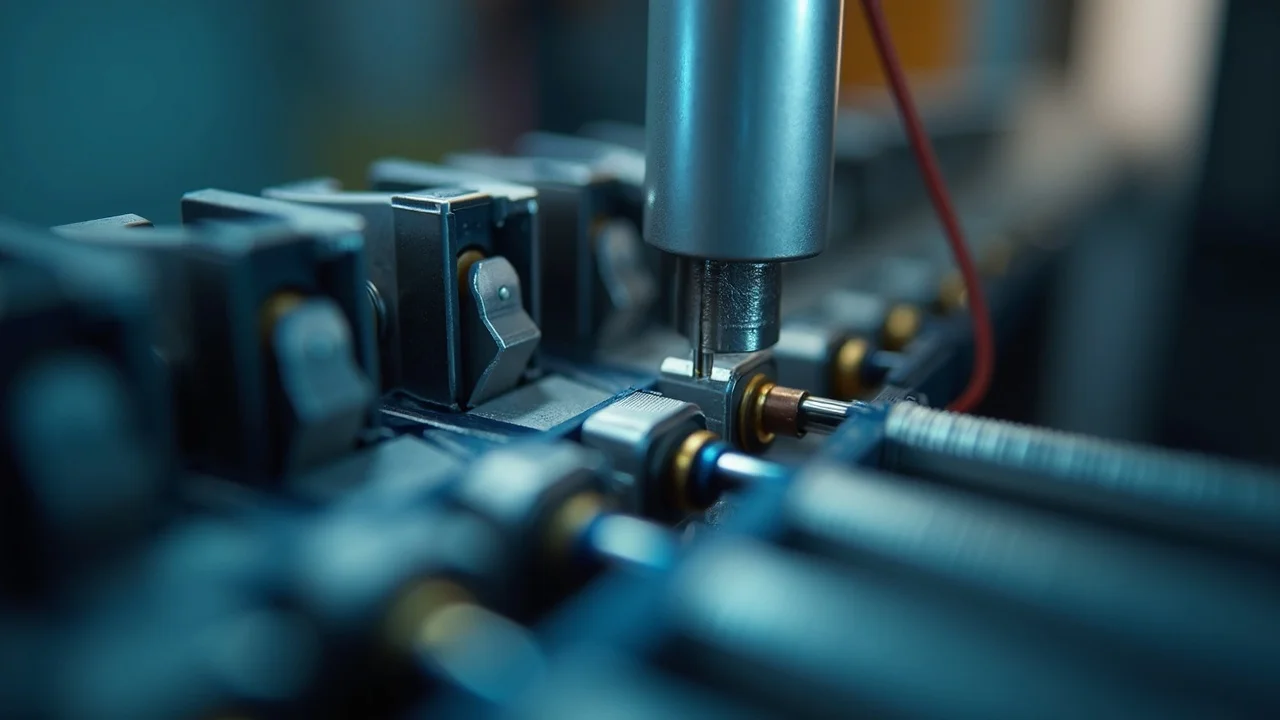
Automatic stripping and crimping machines represent core innovations in automated wire processing automation, significantly improving wire end quality and reducing defects. These machines eliminate manual wire preparation steps that are traditionally labor-intensive and error prone. Enhanced with sensors and adaptive programming, automatic stripping tools adjust precisely to varying wire gauges, insulation types, and terminal specifications.
Advanced crimping machines integrate force monitoring and real-time inspection, ensuring each wire end is crimped to exacting standards required by demanding industries like automotive and aerospace. These systems reduce rework and defects originating from improper crimps, a common cause of wiring failures.
Such technology advancements empower manufacturers to consistently meet quality benchmarks while decreasing operator fatigue and skill dependency.
Wire Processing Centers: Centralizing and Streamlining Production
Benefits of Fully Automated Wire Processing Machines
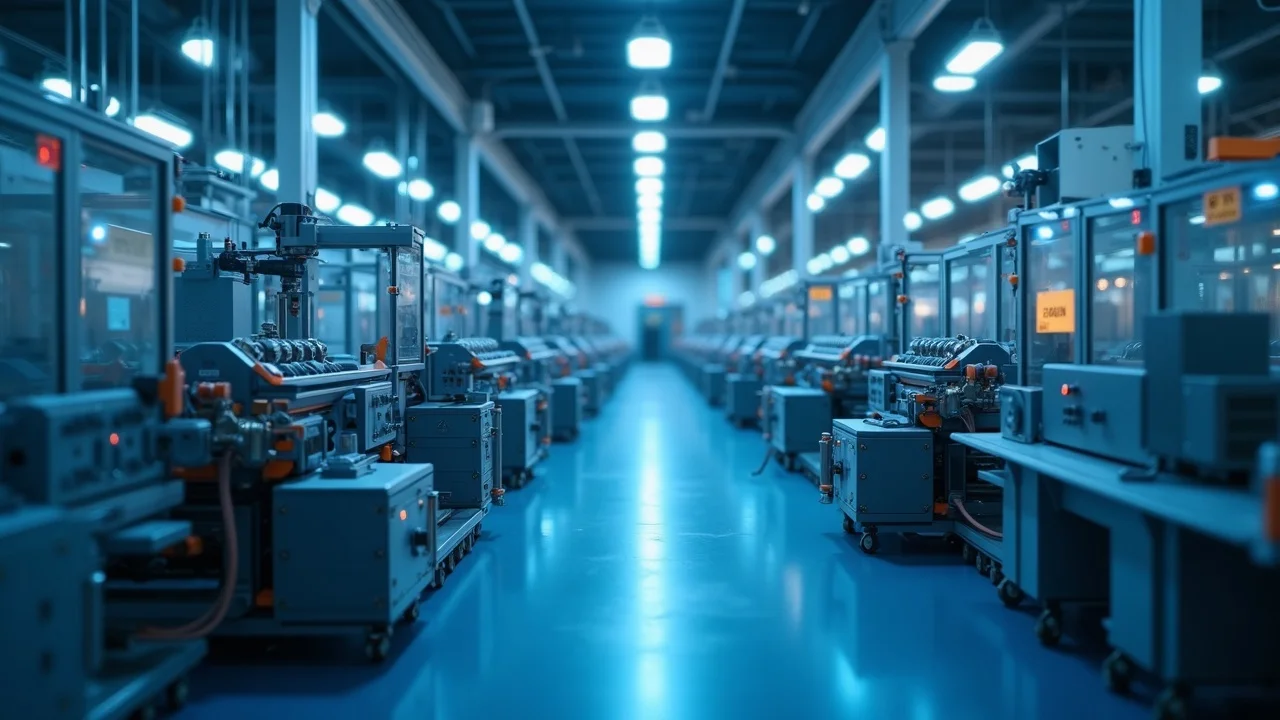
Fully automated wire processing centers combine multiple tasks into one centralized hub, streamlining cable assembly and wire harness production for enhanced efficiency. This centralization decreases handling time and material transport between stations, enhancing overall efficiency and reducing lead times.
These wire processing centers offer high flexibility by accommodating diverse wire types, wire end ferrules, and harness complexities on a single platform. Operators oversee integrated processes rather than conducting individual steps, which reduces training needs and operator errors.
Moreover, centralized data collection aligns production with ERP systems for seamless traceability and real-time performance monitoring, critical for quality assurance and continuous improvement initiatives.
Future Outlook: Evolving Wire Processing Automation for 2026 and Beyond
Rob Boyd states, “We aim to stay in close contact with customers to better understand their needs and expand our solutions to meet evolving challenges. “
Looking forward to 2026 and beyond, Komax and Schleuniger prioritize deepening customer relationships across North America to gather actionable feedback that drives product innovation. Their expansive network of sales engineers and service technicians spans Canada, the U. S. , and Mexico to ensure solutions remain aligned with real-world manufacturing challenges.
The future of wire processing automation will focus on adaptive systems that handle increasing wiring complexity without increasing operator burden. Advances will continue in software connectivity, integrating ERP/MES data with machine intelligence to optimize every phase of production. This ongoing evolution will help manufacturers stay competitive by reducing labor costs, improving quality, and speeding up time-to-market.
Key Points:
-
Key features and benefits of wire processing automation
-
How automated wire processing machines improve quality and reduce costs
-
Innovations in automatic stripping, cutting, and crimping
-
Strategies to overcome manufacturing challenges with automation
-
Future trends and goals in wire processing technology
Common FAQs About Wire Processing Automation
-
What is a wire processing machine? A wire processing machine automates tasks such as cutting, stripping, and crimping wires, enabling precise and repeatable wire preparation for manufacturing and assembly.
-
What is a Komax machine? A Komax machine refers to equipment produced by Komax that specializes in advanced wire processing automation, including cutting, stripping, crimping, and quality inspection.
-
How to make a homemade wire stripping device? While commercial wire strippers are recommended for precision and safety, homemade devices can be crafted using sharp blades and guides, but they often lack consistency and safety features compared to professional machines.
-
What is automation electrical? Automation electrical involves using electrical systems and controls to automate machinery and processes, reducing manual intervention and improving process reliability and efficiency.
Key Takeaways
-
Wire processing automation is essential for modern manufacturing efficiency and quality.
-
Automated wire processing machines significantly reduce manual labor and improve defect detection.
-
Innovations in automatic stripping and crimping enhance cable assembly processes.
-
Komax and Schleuniger lead the industry with customer-focused, scalable automation solutions.
Embracing Wire Processing Automation for Competitive Advantage
Manufacturers should invest in practical, scalable wire processing automation to reduce labor dependency, streamline setup, and enhance quality, securing a competitive edge in today’s complex production environment.
Take the Next Step in Wire Processing Automation
To stay competitive, explore modular and fully automated wire processing machines and solutions tailored to your budget and production needs. Engage with experts like Rob Boyd and companies such as Schleuniger and Komax to design automation strategies that reduce defects, increase throughput, and seamlessly connect your shop floor with production data.
If you’re interested in expanding your understanding of the broader landscape of wire processing and automation, the Schleuniger | Komax platform offers a wealth of resources, case studies, and strategic insights. Whether you’re seeking inspiration for your next automation project or want to stay ahead of industry trends, exploring their site can provide valuable guidance and advanced techniques. Take the opportunity to discover how leading manufacturers are leveraging innovation to transform their operations and set new benchmarks in quality and efficiency. Your journey toward smarter, more resilient manufacturing starts with staying informed and connected to the latest industry developments.