
Steel Frame Homes
As wildfires and termite damage increasingly threaten residential communities like Altadena and Pacific Palisades, the choice of building materials is more critical than ever. In this exclusive Spotlight on Startups interview, Editor Gregg Kell speaks with Rodger Ford, Founder of FrameUPNow, about why steel frame home resilience is becoming an essential consideration for homeowners seeking long-term protection and peace of mind.
Startling Facts About Steel Frame Home Resilience
Many homeowners don’t realize the extent to which traditional wood framing leaves homes vulnerable to termites, moisture damage, and devastating fires — all too common concerns in Southern California. Recent data highlights that yearly termite-related damages alone cost homeowners billions nationwide, while moisture infiltration can lead not only to structural degradation but also to serious health risks through mold growth. Meanwhile, fire safety remains paramount as the region continues to grapple with wildfire seasons of increasing intensity.
Against this backdrop, steel frame home resilience emerges as a compelling safeguard. Steel, unlike organic materials, resists termite infestation entirely; it is impervious to rot and moisture intrusion and offers superior fire resistance due to its non-combustible nature. These combined advantages make steel framing a smart foundation for rebuilding homes that stand strong through the challenges unique to communities such as Altadena and Pacific Palisades.

Understanding Steel Frame Home Resilience: Key Benefits and Features
Rodger Ford, of FrameUPNow, explains, “Steel does not attract termites, performs well against moisture-related issues, and offers fire-safe advantages that matter to families thinking carefully about resilience and longevity.”
Termite Resistance in Steel Frame Homes
One of the most significant vulnerabilities of wood-framed homes is their susceptibility to termite damage. Termites, notorious for silently undermining wood structures, pose a constant threat—often leading to costly repairs. Steel framing, composed of inorganic metal, naturally repels termites because it lacks the cellulose they feed on. This characteristic dramatically reduces pest management concerns and prolongs the structural lifespan of a home.
Rodger Ford points out, “Termite resistance isn’t just about avoidance — it’s about creating a dependable home structure that won’t suddenly require major remediation or replacement. Homeowners in Altadena and Pacific Palisades especially value this when considering long-term resilience in seismic and fire-prone areas. “
Moisture Management and Mold Prevention
Moisture ingress is another major cause of home deterioration, leading to warped framing, wood rot, and mold that jeopardizes indoor air quality. Steel’s moisture resistance helps maintain structural integrity over time, minimizing the risk of hidden damage that could compromise safety or increase upkeep costs.
With steel framing, gaps and seams can be precisely engineered to reduce air and water intrusion. This precision improves the overall building envelope’s performance, resulting in a healthier indoor environment and fewer costly repairs. Such benefits align seamlessly with contemporary building codes emphasizing energy efficiency and occupant wellbeing.
Fire Safety and Resistance Benefits
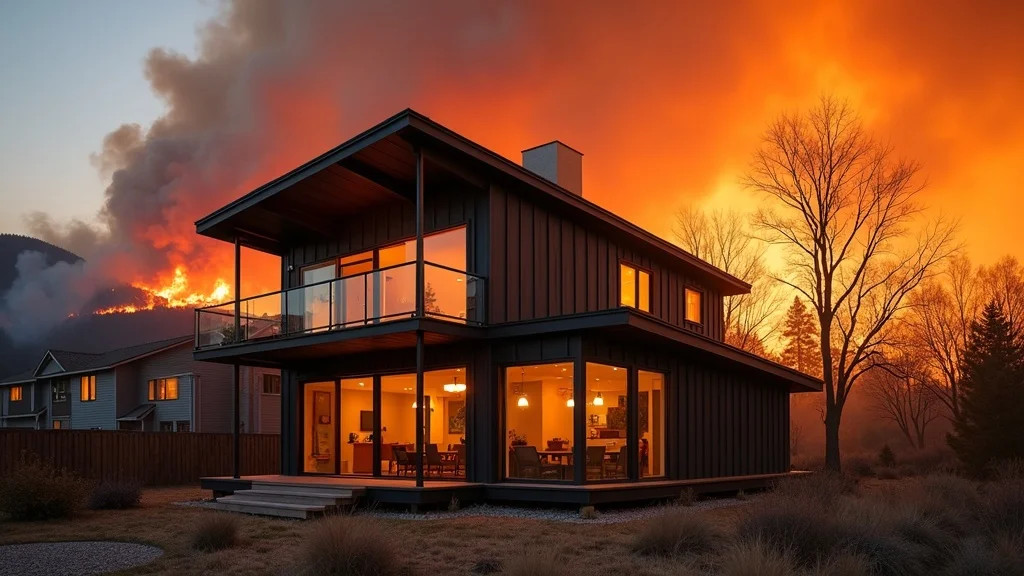
Southern California homeowners living near wildfire-prone zones understand the critical importance of materials that can withstand exposure to extreme heat and flames. Unlike wood, steel framing does not combust or contribute to fire spread, providing a critical buffer in catastrophic fire events.
“Steel framing offers fire-safe advantages that matter to families thinking carefully about resilience and longevity,” says Rodger Ford. This advantage can translate into lower insurance premiums and enhanced personal safety, motivating more residents in wildfire-affected areas to consider steel beyond traditional framing choices.
How FrameUPNow Revolutionizes Steel Frame Home Construction
Rodger Ford states, “Our process is designed to streamline construction with accurate planning, efficient manufacturing, and steel framing systems that help reduce waste, labor friction, improve efficiency, and avoid costly surprises during the build.”
Precision Engineering and Design Flexibility
FrameUPNow’s approach to steel frame home resilience emphasizes precision-engineered framing systems that accommodate a wide architectural range—from compact Accessory Dwelling Units (ADUs) to expansive family homes. This precision enhances coordination among contractors, reduces errors, and preserves design freedom, debunking the misconception that steel limits architectural creativity.
Rodger Ford highlights, “Steel framing today can precisely emulate wood construction plans, supporting diverse aesthetics and layouts without sacrificing material advantages. Homeowners no longer have to choose between modern design and building performance. “
Efficiency and Waste Reduction in Steel Building Projects
Steel framing offers notable efficiencies in manufacturing and onsite assembly. Components are pre-cut and fabricated with pinpoint accuracy, reducing material waste compared to traditional wood framing methods which often involve cutting and discarding irregular pieces. This conserves resources and lowers environmental impact.
On the construction site, using pre-engineered steel frames accelerates build timelines and reduces labor bottlenecks. Rodger Ford notes that these efficiencies contribute to smoother project delivery and translate into cost savings that benefit homeowners throughout the build process.
Comparing Steel Frame Homes to Traditional Wood Framing
Structural Integrity and Longevity
Steel frames are inherently stronger and more dimensionally stable than wood. They resist warping, splitting, and shrinking—all common issues that degrade wood frames over time. This enhanced structural integrity means steel frame homes better endure the stresses of natural events like earthquakes and shifting soils, crucial for California’s seismic zones.
Steel’s longevity also means fewer repairs or retrofits are needed over a home’s lifespan, offering homeowners financial predictability and peace of mind.
Fire Resistance and Safety Considerations
As discussed, steel is non-combustible, providing a natural safeguard against fire that wood cannot match. This significantly improves a home’s fire resistance rating and offers critical protection during wildfires. The use of steel framing is increasingly recognized in building codes and insurance policies as a method for mitigating fire risks.
Resistance to Natural Disasters
Beyond fire, steel frames excel in resisting natural disaster forces such as earthquakes, high winds, and flooding. Steel structures flex without cracking, maintaining a home’s integrity through events that could devastate traditional wood-framed homes. This resilience is a compelling benefit for homeowners aiming to protect their investment in Southern California’s dynamic environment.
Prioritizing Steel Frame Home Resilience in Your Building Project
Rodger Ford advises, “The first priority should be choosing a structural approach that supports both the home they want today and the durability they will need years from now.”
Key Factors to Consider When Choosing Steel Frame Homes
When planning a new home or ADU, the foundational choice of framing material impacts every element of the project, from build quality and efficiency to long-term maintenance. Homeowners should prioritize a structural system like steel framing that balances immediate design needs with future-proof durability.
Factors to weigh include climate challenges, potential pest exposure, fire risk levels, and local building codes. Steel frame homes help address these challenges proactively, offering a reliable framework that supports healthier living conditions and greater resilience.
Planning for Long-Term Maintenance and Efficiency
Steel’s inherent resistance to degradation from pests and moisture reduces the frequency and cost of maintenance compared to wood. Moreover, steel framing allows for tighter building envelopes supporting superior energy efficiency through better insulation and air sealing.
Homeowners looking to minimize unexpected repair bills and enjoy operational cost savings over time will find steel framing an advantageous choice that delivers value beyond aesthetics.
|
Comparison Table: Steel Frame Homes vs. Wood Frame Homes |
||
|
Feature |
Steel Frame Homes |
Wood Frame Homes |
|---|---|---|
|
Durability |
High — resists warping, termites, mold |
Moderate — susceptible to rot and pests |
|
Termite Resistance |
Inherent resistance, no chemical treatments needed |
Vulnerable — requires proactive pest control |
|
Fire Safety |
Non-combustible, delays fire spread |
Combustible, contributes to fire severity |
|
Moisture Resistance |
Highly resistant, reduces mold risk |
Prone to moisture damage and mold |
|
Design Flexibility |
High — supports diverse architectural styles |
High — traditional but limited by material constraints |
|
Maintenance Costs |
Lower due to resilience |
Higher due to repairs and treatments |
Future Outlook: The Growing Role of Steel Frame Homes in Southern California
Rodger Ford envisions, “The Steel Frame Home will become a much bigger part of the Southern California housing conversation as homeowners look for smarter, more durable building solutions.”
Trends Driving Adoption of Steel Frame Homes
The convergence of climate challenges, rising wildfire threats, and increased awareness of long-term housing resilience is pushing steel framing into the spotlight. Homeowners in Altadena, Pacific Palisades, and beyond are now prioritizing building materials that can withstand natural disasters and reduce maintenance overhead.
Additionally, advances in prefabrication and precise engineering have improved affordability and design options, making steel framing accessible for a range of projects. These trends position steel frame homes to become a mainstream choice for durable smart living in Southern California.
How Frame Up Now Supports This Growing Demand
FrameUPNow continues to innovate by providing a broad catalog of engineered steel frame plans, tailored to diverse housing needs — from ADUs to larger family homes. Their streamlined processes reduce waste and stress during construction, enabling more homeowners to benefit from steel frame home resilience.
Rodger Ford’s vision reflects a commitment to transforming residential building practices, creating a safer and more sustainable future in fire-affected Southern California communities.
People Also Ask About Steel Frame Home Resilience
-
What makes steel frame homes more resistant to termites than wood homes?
Steel framing is made of inorganic metal that termites cannot consume, eliminating the risk of termite infestation and structural damage common with wood. -
How does steel framing improve fire safety in residential buildings?
Steel is non-combustible and does not contribute to fire spread, offering a protective barrier that enhances a home’s fire resistance compared to wood framing. -
Are steel frame homes more expensive than traditional wood frame homes?
While initial costs can be slightly higher due to material and fabrication, steel framing offers long-term savings through reduced maintenance, fewer repairs, and improved durability. -
Can steel frame homes be designed in various architectural styles?
Yes, modern steel framing supports a wide range of designs, from traditional to contemporary, with precision engineering enabling flexibility in layouts and aesthetics. -
How do steel frame homes perform in natural disasters like earthquakes?
Steel frames provide superior structural integrity and flexibility, helping homes withstand the stresses of earthquakes, high winds, and other natural disasters better than wood structures.
Key Takeaways on Steel Frame Home Resilience
-
Steel frame homes offer superior termite resistance and moisture control.
-
Fire safety is significantly enhanced with steel framing compared to wood.
-
Modern steel framing supports diverse design options and efficient construction.
-
Choosing steel framing ensures long-term durability and lower maintenance costs.
-
The market for steel frame homes is growing rapidly in Southern California.
EmbracingSteel Frame HomeResilience for Future-Proof Living
Homeowners seeking lasting protection and peace of mind in fire-affected Southern California should prioritize steel frame home resilience as the foundation for smarter, safer living.