
Turtlebrace News: A New Era in Orthotic Devices — Revolutionizing Patient Care
Orthotic braces have traditionally been rigid, single-purpose devices that often challenged clinicians and patients alike. In fact, many clinicians face a frustrating dilemma: committing to a brace that may not fit evolving patient needs or risking significant financial loss with ineffective solutions. According to industry experts, the conventional field of orthotic care has experienced little meaningful innovation for decades, particularly concerning adaptability and patient comfort.
At this year’s American Physical Therapy Association (APTA) Conference and Scientific Meeting (CSM), Turtlebrace, a pioneering Canadian company, is stepping onto the stage to disrupt this stagnation. Their unique remoldable brace technology promises to revolutionize patient care by dramatically enhancing clinical freedom and vastly improving patient quality of life. This development not only shifts how clinicians work but redefines patient outcomes and experiences. The future of orthotic bracing is here, inviting physical therapists, pediatric specialists, and rehabilitation clinicians to explore this transformational technology first-hand.

Overview of the Future of Orthotic Bracing and Turtlebrace’s Unique Approach
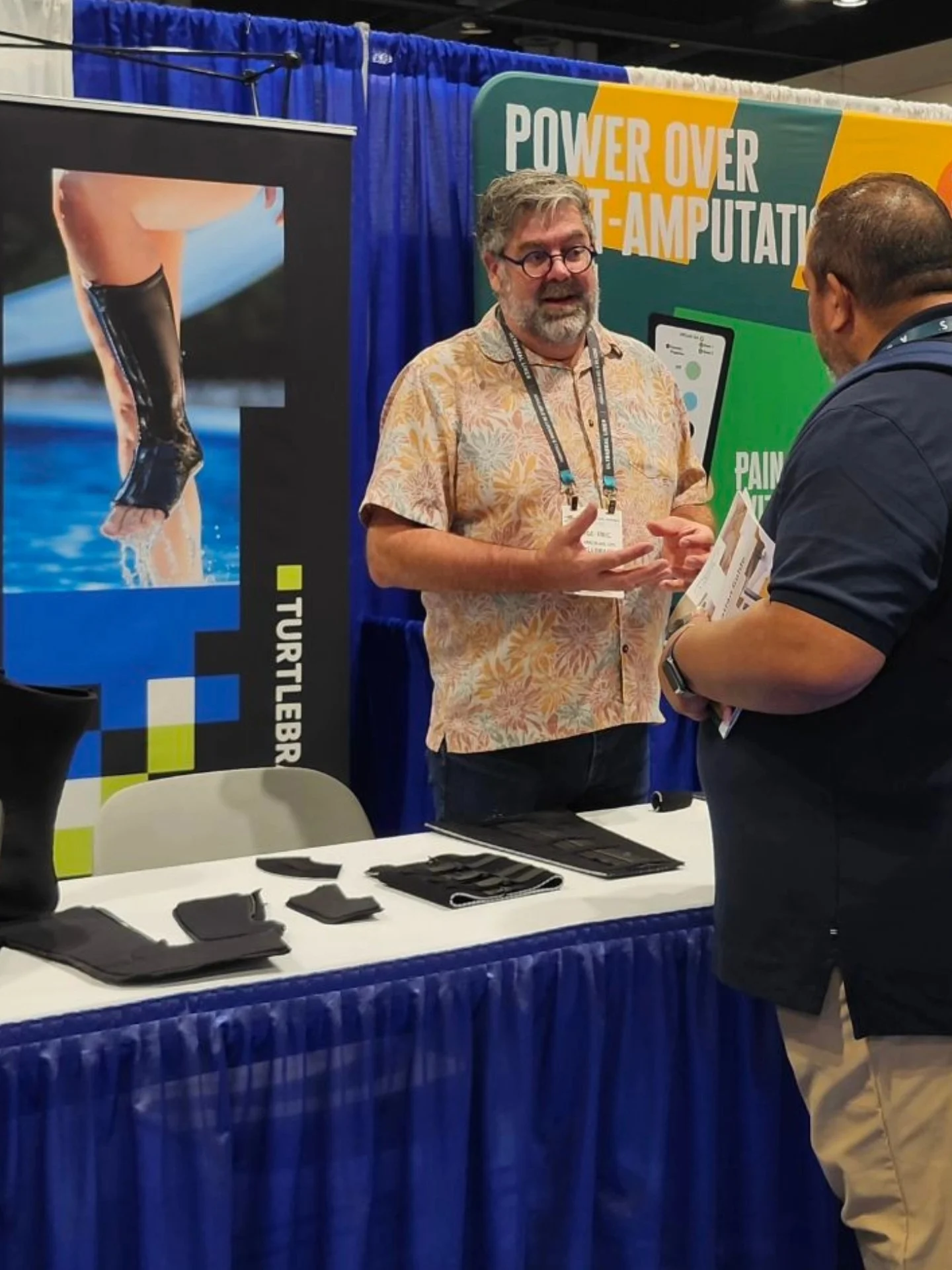
Serge-Eric Blais, President of Turtlebrace, explains, “Our brace can be remolded more than 250 times, giving clinicians the freedom to explore new strategies and track patient progress throughout treatment.”
Defining Orthotic Devices and Their Role in Orthopedic Care
Orthotic devices play a vital role in orthopedic care by supporting, aligning, and improving the function of impaired limbs or joints. Traditionally, these devices are custom molded once and fixed for the duration of treatment. While effective for certain conditions, this inflexibility limits their usefulness when patients, especially growing children, require adaptations during therapy.
Physical therapists and clinicians often face challenges when braces become ill-fitting due to patient growth or clinical progression, leading to discomfort and diminished treatment outcomes. This creates a need for an adaptive orthotic device capable of evolving with the patient without requiring multiple, costly replacements.
How Turtlebrace’s Remoldable Technology Advances Orthopedic Braces
Turtlebrace’s innovation lies in its remoldable design—offering the unprecedented ability to reshape the brace safely over 250 times. This advancement empowers clinicians with clinical freedom to fine-tune brace positioning as treatment progresses without starting from scratch.
As Serge-Eric Blais states, this flexibility allows continuous patient monitoring and strategy adjustment that were not possible with traditional orthopedic braces. This adaptability supports a range of therapeutic needs, including spasticity management, contracture protocols, and pediatric developmental care, making Turtlebrace a versatile solution across age groups and conditions.
For clinicians seeking targeted support for specific joints, Turtlebrace also offers specialized solutions such as their elbow brace, which combines support and flexibility for optimal patient outcomes. This product exemplifies how remoldable technology can be tailored to address unique orthopedic challenges while maintaining comfort and adaptability.

Core Products Showcased by Turtlebrace at the APTA Convention
Full Line of Turtlebrace Orthopedic Braces: Features and Benefits
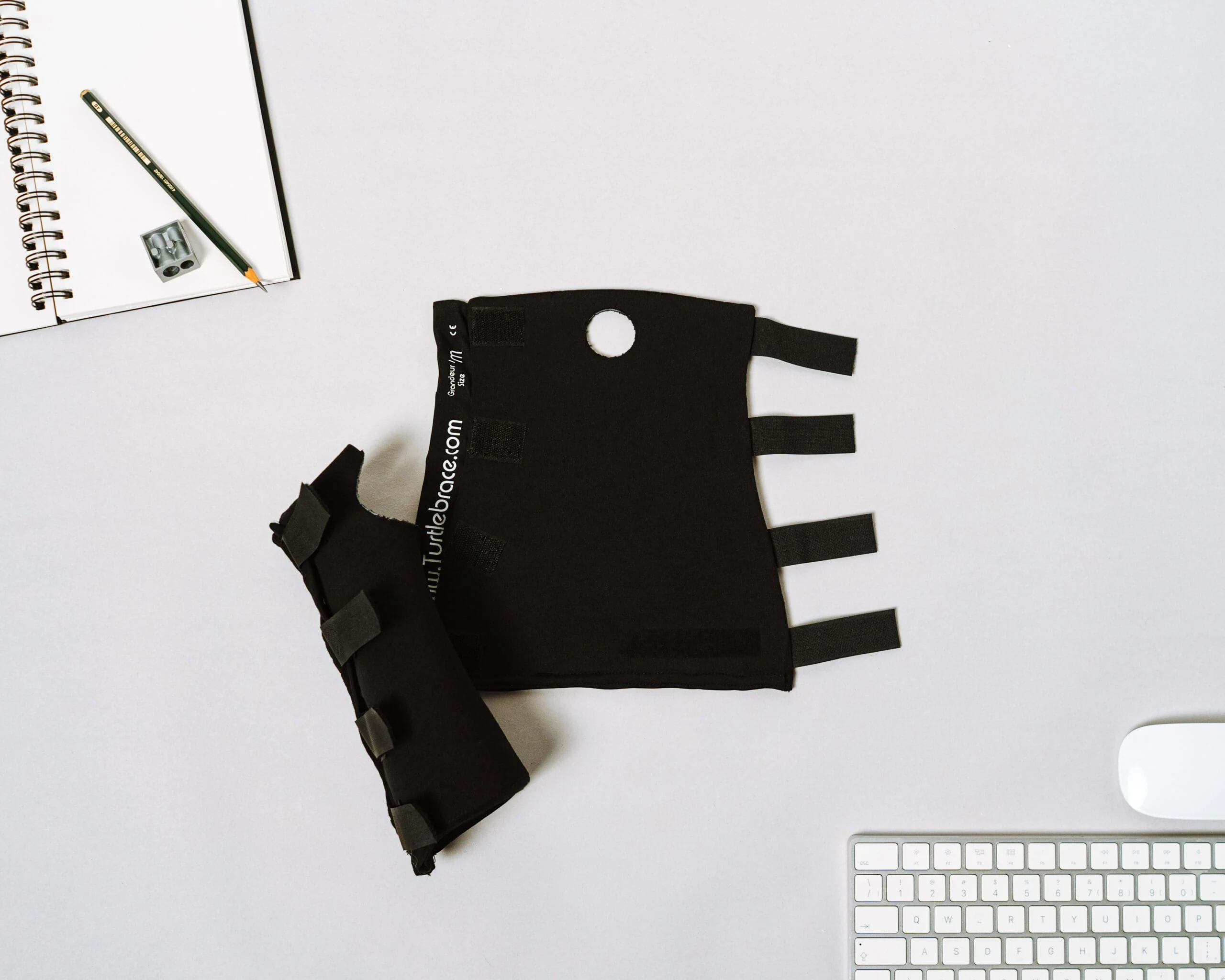
Turtlebrace will showcase their full lineup, demonstrating key features such as lightweight construction, breathable materials, and self-draining capabilities. These design elements make the braces comfortable for daily wear, facilitating patient compliance, especially during bathing or pool therapy—critical for many rehabilitation regimens.
Moreover, the remoldable feature reduces reliance on serial casting, streamlining patient care and reducing associated costs. “Our braces are lightweight, breathable, and self-draining, making them ideal for daily use and therapies like bathing or pool treatment,” notes Serge-Eric Blais, highlighting the patient-centric focus driving these innovations.
Target Users: Pediatric to Adult Patients and Their Unique Needs
The Turtlebrace system is uniquely suited to pediatric patients due to its capacity to accommodate growth and changing therapeutic needs without needing frequent replacements. Equally, adult patients benefit where progressive conditions or rehabilitation protocols require flexible orthotic support over time.
This adaptability makes Turtlebrace braces a practical solution for a broad spectrum of conditions, effectively bridging the gap between pediatric developmental orthotics and adult therapeutic needs. Its ability to evolve with the patient supports long-term clinical goals and enhances quality of life across different stages of therapy.
Turtlebrace News: Industry Trends and Challenges in Orthotic Devices
Emerging Trends in Orthopedic Braces and Prosthetics and Orthotics
Recent years have seen a growing demand for orthotic devices that blend comfort, adaptability, and clinical efficacy. Advances in materials science, such as incorporating carbon fiber, have enhanced brace strength and lightness. Meanwhile, value-based care models push for solutions that support patient engagement and reduce unnecessary costs.
Additionally, there is heightened scrutiny over insurance reimbursement and clinical documentation, stressing the importance of trialability and demonstrable outcomes before committing to a particular orthotic intervention.
How Turtlebrace Addresses Challenges with On-Site Try-On and Patient Confidence
A standout feature of Turtlebrace is the ability for clinicians to trial the brace on-site, eliminating financial risks associated with ineffective braces. This trialability builds trust, as patients physically experience the brace’s benefits before committing. Clinicians, armed with this flexibility, can confidently adjust treatment strategies in real-time.
Expert Perspectives on the Future of Orthotic Bracing
Evolution of Orthotic Devices: From Traditional to Remoldable Technology
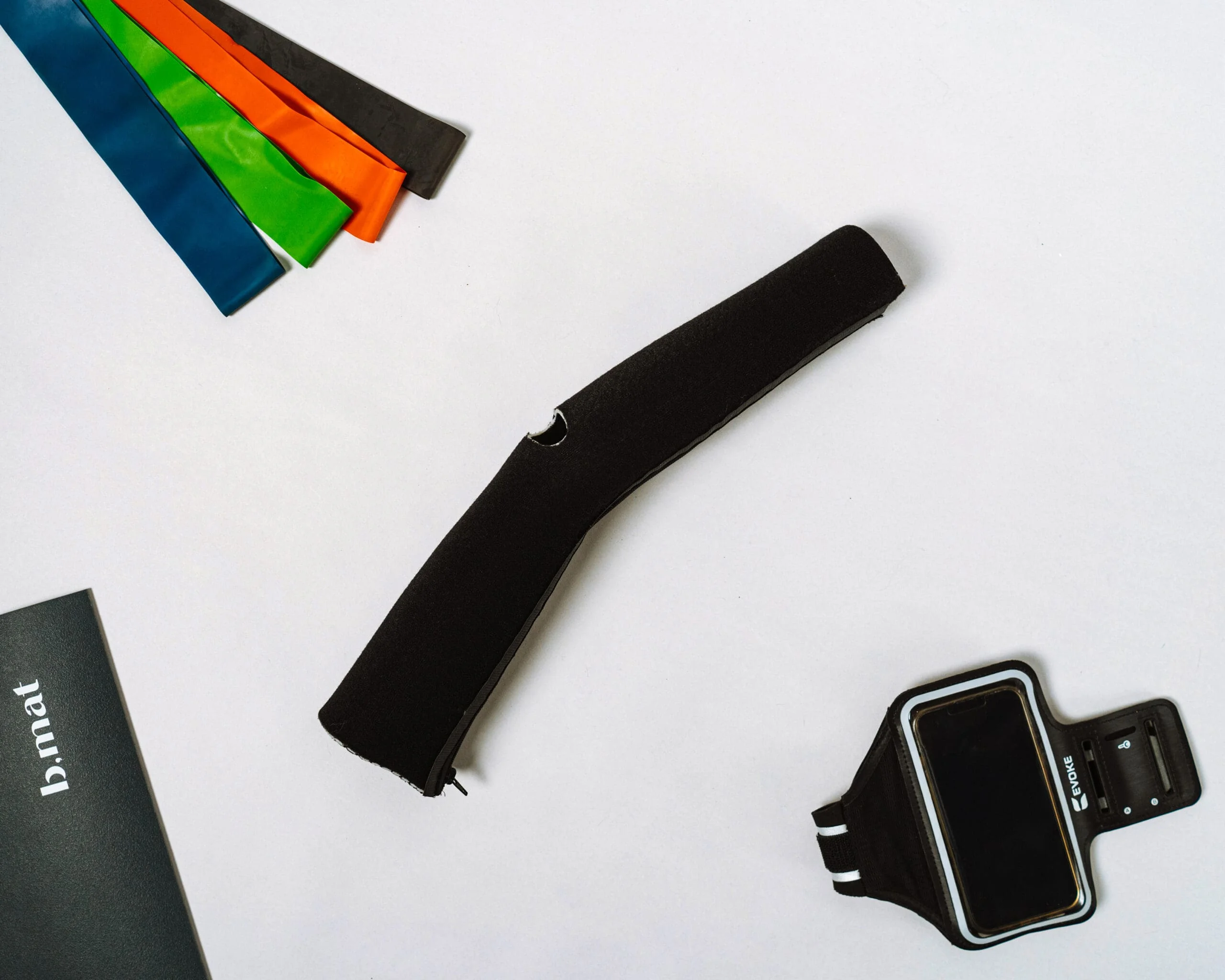
Orthotic devices have long relied on fixed molds and single-use shaping. This rigid approach, while functional, places significant limits on adaptive treatment and patient comfort. Turtlebrace exemplifies a breakthrough in this paradigm by introducing remoldable braces that accommodate clinical progression and anatomical changes dynamically.
This evolution enables a shift from static prescription towards an adaptive partnership between clinician and patient, elevating outcomes and satisfaction for both.
The Role of Carbon Fiber and Advanced Materials in Orthopedic Braces
Advanced materials such as carbon fiber contribute significantly to the future of orthotic bracing by enhancing device durability while minimizing weight. This not only improves patient comfort but allows for creative brace designs with better biomechanical properties.
Such materials complement remoldable technologies by providing a strong, yet flexible base that resists wear even through multiple adjustments, underpinning the clinical utility and longevity of devices like Turtlebrace.
Serge-Eric Blais’s Vision for Orthopedic Care and Prosthetics and Orthotics
Serge-Eric Blais of Turtlebrace envisions a future where orthopedic care is firmly grounded in patient-centered innovation. As he articulates, “We are here to show that a brace can be functional, effective, and offer the best experience for the patient and their clinician. ” His vision challenges the status quo by positioning orthotic devices as evolving tools that empower rather than constrain clinical decision-making.
What Attendees Can Expect at the APTA Convention
Interactive Experience: Trying Turtlebrace Orthotic Devices Firsthand
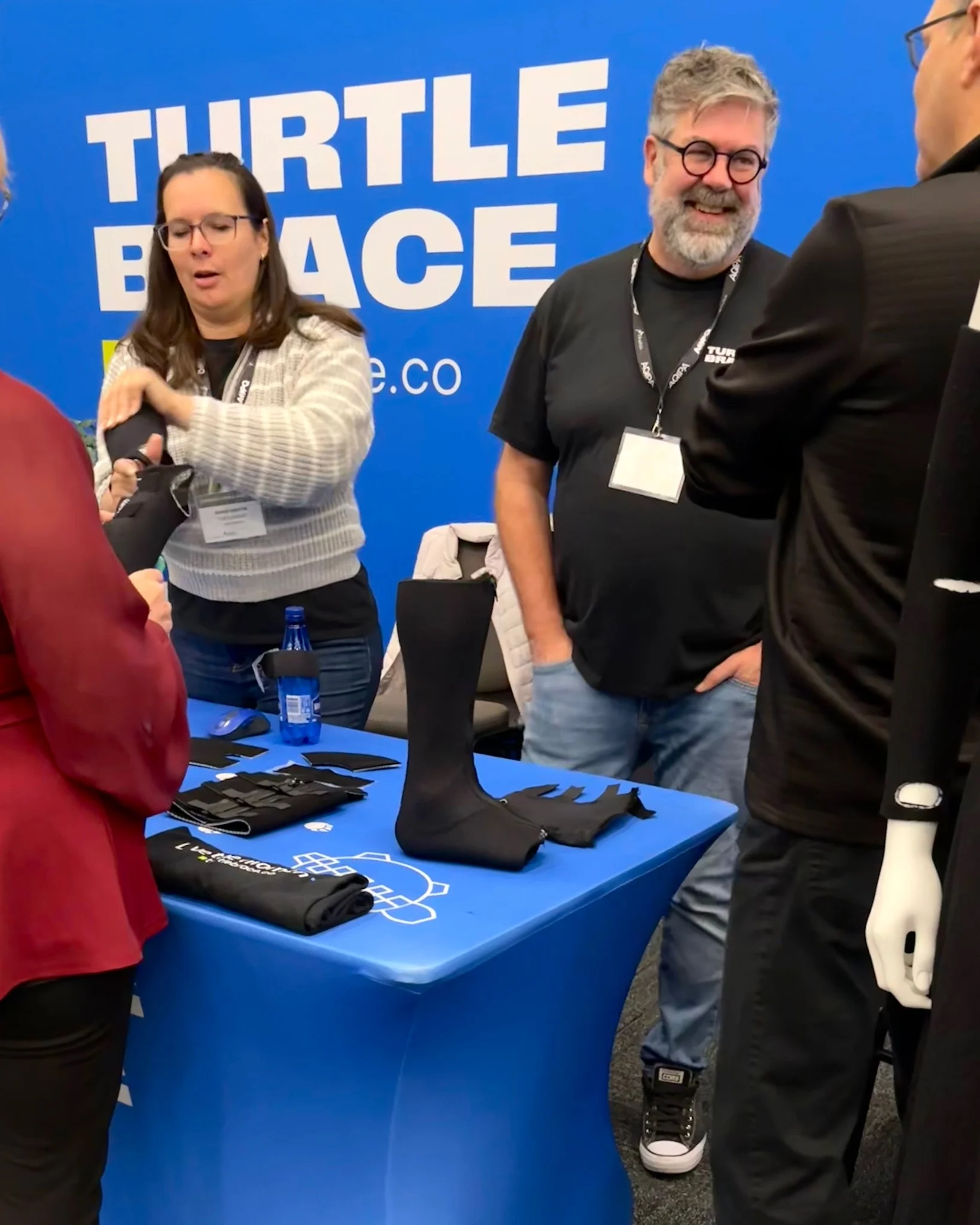
APTA attendees will have the unprecedented opportunity to experience Turtlebrace’s remoldable technology firsthand. The hands-on demonstrations will invite clinicians and patients alike to feel the brace’s lightweight, breathable materials and explore the ease of reshaping in real time.
This immersive introduction promises to deepen understanding of how these braces can change daily therapy routines, offering clinicians an innovative tool to improve patient outcomes on the spot.
Learning Opportunities: Insights from Turtlebrace’s Team and Innovations
The Turtlebrace team will share knowledge about orthotic innovation trends, clinical applications, and hands-on demonstrations of best practices in brace fitting and adjustment. Attendees can expect deep engagement with Turtlebrace’s unique clinical value proposition focused on adaptability and patient empowerment.
What You’ll Learn: Key Takeaways on the Future of Orthotic Bracing
-
The adaptability and remoldability of Turtlebrace’s orthopedic braces
-
Benefits of lightweight, breathable, and self-draining brace designs
-
How on-site try-on technology improves patient outcomes and clinician confidence
-
Emerging materials like carbon fiber enhancing orthopedic brace performance
-
The evolving landscape of prosthetics and orthotic care
Common Questions About Orthotic Bracing in 2025
What Do Braces Look Like Now in 2025?
Todays’ braces combine durability with flexibility, crafted from advanced lightweight materials, designed to be breathable and easily adjusted throughout treatment. Unlike the bulky and rigid designs of the past, they focus on enhancing patient comfort while supporting effective orthopedic management.
What Are the New Technologies for Braces?
Innovations such as remoldable materials, on-site trial systems, and integration of carbon fiber composites have transformed orthotic devices. These technologies allow repeated reshaping without compromising strength, enabling adaptive treatment for dynamic clinical needs.
How Successful Is Bracing for Scoliosis?
Bracing remains a frontline non-surgical intervention for scoliosis management. Remoldable braces increase treatment success by maintaining optimal fit throughout growth phases, reducing discomfort and improving patient adherence.
Are Braces Becoming Less Popular?
On the contrary, braces are evolving to meet patient and clinician demands better. The focus now is on developing devices that truly support long-term care through enhanced comfort and adaptability rather than reducing their use.
| Comparison Table: Traditional Orthopedic Braces vs. Turtlebrace Remoldable Braces | ||
| Feature | Traditional Orthopedic Braces | Turtlebrace Remoldable Braces |
|---|---|---|
| Adaptability | Fixed shape, limited adjustments | Remoldable 250+ times |
| Patient Comfort | Often bulky, less breathable | Lightweight, breathable, self-draining |
| Cost-Effectiveness | High replacement costs with growth or changes | Reduced replacement costs through reshaping |
| Clinical Flexibility | Rigid positioning, limited strategy changes | Enables on-site try-on & strategy adjustments |
Common Mistakes and Misconceptions in Orthotic Device Usage
-
Assuming one brace fits all patient needs
-
Overlooking the importance of brace adaptability during treatment
-
Neglecting patient comfort and daily usability factors
-
Underestimating the value of clinician flexibility in brace positioning
Actionable Tips for Clinicians and Patients on Orthotic Bracing
-
Encourage on-site try-on to ensure optimal fit and function
-
Monitor patient progress and adjust braces regularly
-
Prioritize lightweight and breathable materials for patient comfort
-
Educate patients on the benefits of remoldable braces for long-term care
Embracing the Future of Orthotic Bracing with Turtlebrace
Serge-Eric Blais sums up, “We are here to show that a brace can be functional, effective, and offer the best experience for the patient and their clinician.”
Clinicians and patients alike are encouraged to embrace remoldable technology for an adaptive, confidence-building orthotic future.
As you continue to explore the advancements in orthotic bracing, consider how these innovations fit into the broader landscape of orthopedic care. Staying informed about the latest technologies and patient-centered solutions can help you deliver even greater value and outcomes in your practice. For a deeper dive into the full range of Turtlebrace’s offerings and to discover how their approach is shaping the future of support and flexibility, visit their dedicated elbow brace page and explore the possibilities for your patients.
Call to Action
-
Live The Moment… Visit https://turtlebrace.co/ to explore the future of orthotic bracing.
-
Experience firsthand the innovation Turtlebrace brings to orthopedic care.
Sources
The orthotic bracing industry is undergoing significant advancements, particularly with the integration of remoldable technologies that enhance patient care and clinical flexibility. For instance, Turtlebrace’s innovative approach allows braces to be reshaped over 250 times, accommodating patient growth and therapeutic adjustments without the need for multiple replacements. This adaptability is crucial for both pediatric and adult patients, ensuring continuous support throughout their treatment journey. In addition to remoldable designs, the field is witnessing the emergence of smart orthopedic braces equipped with advanced sensor technologies. These devices incorporate motion sensors, pressure sensors, and temperature sensors to monitor patients’ physical states in real-time, providing immediate feedback and enabling dynamic adjustments to care measures. Such innovations are transforming traditional orthotic devices into interactive tools that actively contribute to rehabilitation and patient engagement. Furthermore, the adoption of 3D printing technology is revolutionizing the production of orthotic devices. This approach facilitates the creation of customized braces tailored to individual patient anatomies, enhancing comfort and effectiveness. For example, Prothotic Laboratories has introduced 3D-printed scoliosis braces that offer improved patient comfort and sustainability, marking a significant step forward in personalized orthopedic care. These developments underscore a broader trend towards patient-centered innovation in orthotic bracing, focusing on adaptability, real-time monitoring, and personalized solutions to improve patient outcomes and quality of life.