
Twist Resist News: Did you know that most strength training tools used in physical therapy rely on linear resistance that only activates part of the muscle group? This common limitation has inspired new thinking in rehabilitation technology. At the forefront stands Aaron Walker, a mechanical engineer and physical therapy innovation expert, whose personal journey through injury revealed the need for a better solution. His company, Twist Resist LLC, introduces circular resistance equipment designed to align with the body’s natural joint movements, promising a revolutionary approach to muscle activation and therapy effectiveness.
Startling Facts About Physical Therapy Innovation and Patient Outcomes
Physical therapy has long grappled with tools and techniques that address only a fraction of muscle activation, hindering comprehensive rehabilitation. Therapists typically employ bands and cables that provide linear resistance, limiting the full range of muscle engagement needed for optimal patient recovery. “Traditional therapy innovations often neglect the body’s complex joint rotations, relying heavily on straightforward pulling or pushing forces,” explains Aaron Walker, of Twist Resist LLC.
Such limitations directly impact patient outcomes, as incomplete muscle activation can stall recovery progress or reduce long-term functional gains. By engaging muscles along natural arcs of movement rather than linear lines, newer technologies like the Twist Resist system offer a more efficient path to rebuilding strength and mobility. This physical therapy innovation expert highlights that embracing this novel approach could be a turning point in clinical practice, improving rehabilitation success rates and patient adherence.
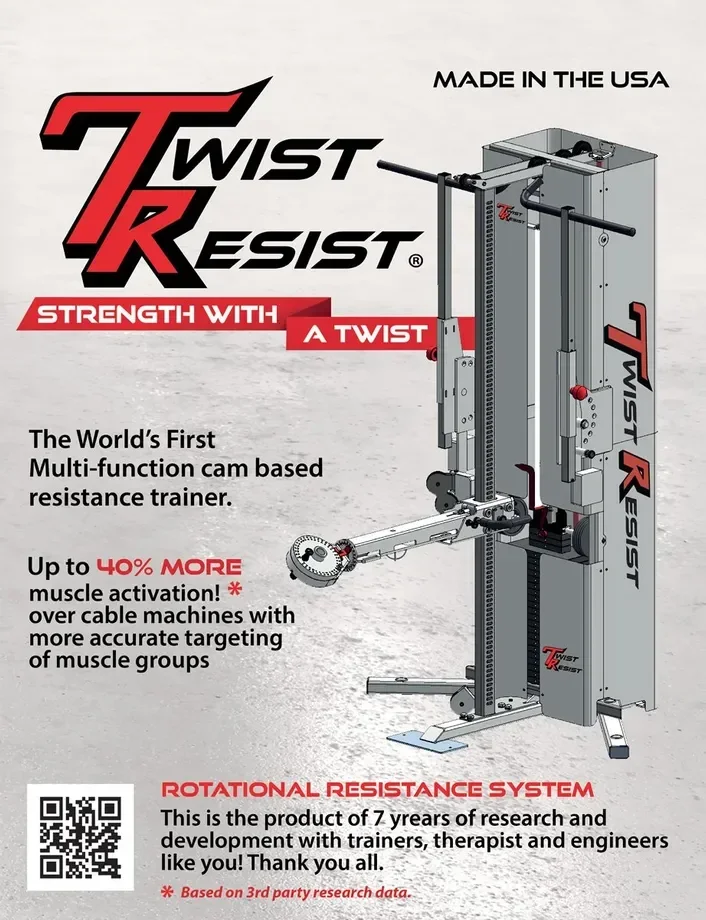
Overview of Twist Resist LLC: Revolutionizing Physical Therapy Practice
“Twist Resist was built out of necessity by a mechanical engineer, who was a professional physical therapy patient!” – Aaron Walker, of Twist Resist LLC
The Problem with Traditional Therapy Innovations
Traditional physical therapy equipment predominantly uses linear resistance modalities such as elastic bands and cable machines. While familiar and widely utilized, these tools apply force in straight lines, which does not correspond well to how human joints naturally move. As Aaron Walker explains, “The body’s joints move in circular, rotational patterns, but most therapy equipment doesn’t account for that, limiting full muscle activation. ”
This mismatch means that therapy sessions may only partially engage the muscles needed for comprehensive recovery. Linear resistance tools can miss key muscle groups or provide uneven loading, which can slow progress or fail to address specific rehabilitation goals. Therapists and patients often experience frustrations when exercises feel repetitive or less effective, highlighting a gap in innovation within therapy practice.
Twist Resist’s Unique Circular Resistance Technology
Twist Resist introduces circular resistance technology—a concept designed to mimic the natural motion of joints during rehabilitation exercises. Unlike linear resistance, circular resistance follows a multidirectional path that aligns with how muscles and joints actually move in daily activities. “Our system’s multifunctional attachments deliver resistance throughout the range of motion, enabling more complete muscle activation,” Walker emphasizes.
This biomechanical innovation creates a dynamic strength training experience that activates muscles in arcs and rotations, potentially enhancing neuromuscular engagement and functional recovery. The circular resistance technology is especially promising because it addresses the fundamental biomechanics of the human body, rather than working against it. Twist Resist’s approach encourages therapists to rethink established therapy innovations and consider how better matching physical resistance to body motion can improve patient outcomes.
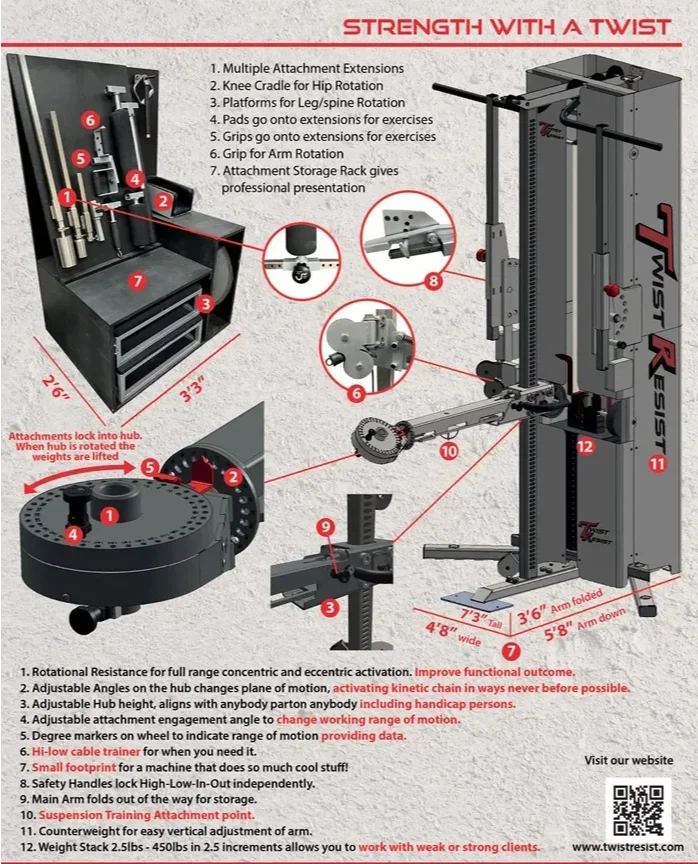
Showcasing Twist Resist at the APTA Convention: Advancing Therapy Innovations
“We hope to convince therapists to invest in something that is up to 40% more effective than bands and cables.” – Aaron Walker, physical therapy innovation expert
Who Benefits Most from Twist Resist’s Physical Therapy Innovation?
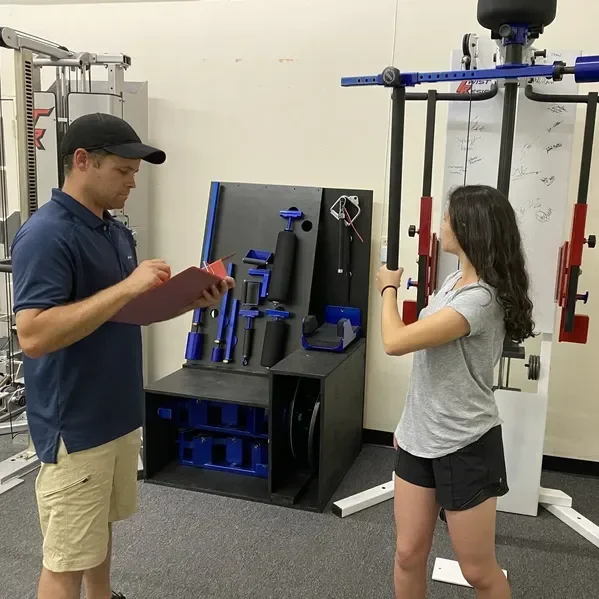
While the ultimate beneficiary of Twist Resist’s innovation is the physical therapy patient, therapists play a pivotal role as implementers and gatekeepers of new technology. The modular multi-function Twist Resist system is designed for therapist-supervised use, ensuring exercises are tailored to individual patient needs and functional goals.
Therapists at the APTA Convention will witness firsthand how Twist Resist can expand their therapeutic toolkit. “The average patient experiences improved muscle activation and engagement, while therapists gain a tool that enhances the efficacy of clinic-based strength training,” notes Walker. This holistic advantage underscores why therapists are critical advocates in adopting physical therapy innovations that enhance patient care and produce measurable gains.
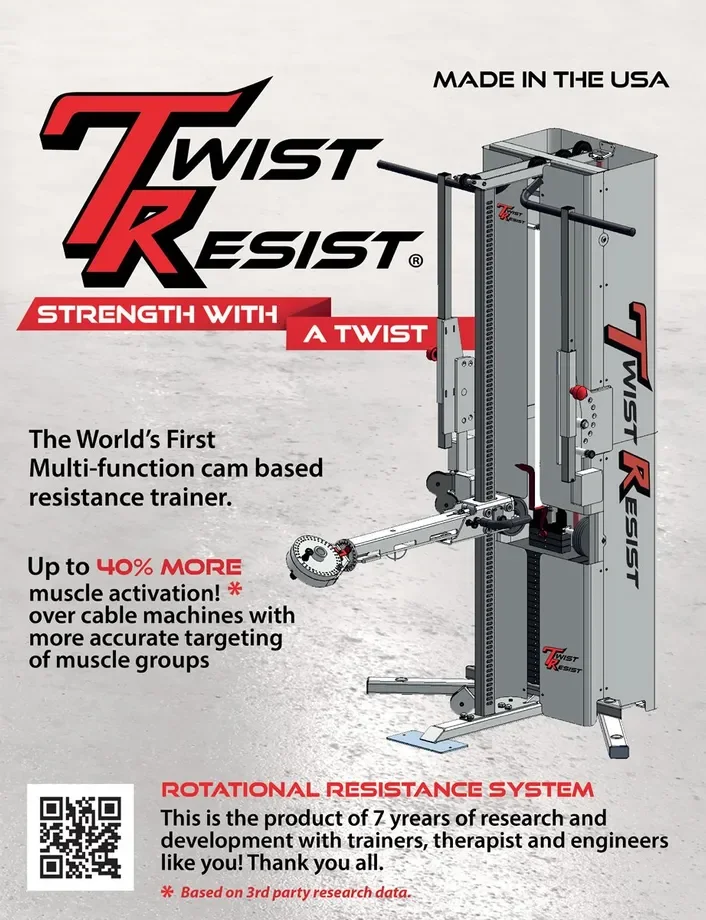
Current Trends and Challenges in Physical Therapy Practice and How Twist Resist Addresses Them
Increasing Patient Compliance Through Targeted Strength Training
One of the persistent challenges in physical therapy is patient compliance, especially with strengthening exercises that can be tedious or uncomfortable. Patients are often drawn to treatment components like massage or manual therapy but may show less enthusiasm for strength training. Twist Resist aims to increase engagement by offering targeted, time-efficient strength sessions that provide a unique clinic experience.
“With better muscle activation and a therapy modality that can’t be easily replicated at home, Twist Resist enhances the perceived value of clinic visits,” states Aaron Walker. This can result in improved attendance and adherence, ultimately driving better outcomes. By addressing patient motivation and optimizing session productivity, this therapy innovation answers a critical industry need.
Enhancing Muscle Activation for Better Patient Outcomes
Muscle activation is central to effective rehabilitation, yet many physical therapy tools activate muscles only partially due to their linear resistance design. Twist Resist’s circular resistance technology engages muscles through natural arcs of movement, promoting more complete and functional muscle engagement. Aaron Walker emphasizes, “Our technology not only reflects biomechanical principles but also responds to the clinical requirement for thorough muscle recruitment during therapy. ”
This enhanced activation has the potential to accelerate recovery, improve strength, and restore functional mobility. Therapists who integrate Twist Resist into their practice may observe more comprehensive patient progress and durable rehabilitation gains. This approach moves beyond traditional exercise equipment limitations and responds to evolving demands in physical therapy practice.
Expert Insights on Therapy Innovation and Practice Management
“As Twist Resist gains market traction, we want to create an ecosystem of data sharing and collaborative discoveries.” – Aaron Walker, physical therapy innovation expert
Facilitating Easy Adoption for Therapists
Change in therapy practice often meets resistance, especially when new technologies are complex or disruptive. Twist Resist prioritizes ease of integration, aiming to make the transition smooth and educational for therapists. “Not all therapists are immediately ready to embrace something new,” Walker acknowledges, “so we focus on clear training, practical applications, and open dialogue to support adoption. ”
This approach encourages therapists to become advocates and informed practitioners of the innovation, ensuring patient safety and maximizing benefit. By providing comprehensive guidance, Twist Resist fosters confidence among clinicians who seek to elevate their practice with advanced rehabilitation tools.
Building Long-Lasting Relationships at the APTA Convention
The decision to launch publicly at the APTA Combined Sections Meeting reflects a strategic vision for collaborative growth. This convention gathers therapists, researchers, and distributors dedicated to advancing physical therapy practice. “We intend to build long-term partnerships with organizations and individuals who share our commitment to innovation,” says Walker.
Engagement at this event will catalyze conversations about circular resistance, muscle activation, and therapy outcomes. Twist Resist fosters a collaborative ecosystem where data, clinical stories, and research insights can evolve together, shaping the future of rehabilitation technology.

Common Misconceptions and Challenges in Implementing Therapy Innovations
Overcoming Resistance to Change in Therapy Practice
Introducing new equipment into established therapy practice brings challenges, including skepticism and a natural resistance to altering successful routines. Therapists may question the evidence or worry about the learning curve associated with adopting innovations. Aaron Walker highlights the importance of open communication and education: “We want therapists to ask questions, explore the biomechanics, and witness the results without pressure. ”
Addressing misconceptions head-on and demonstrating clear value propositions can help overcome hesitation. The successful integration of Twist Resist will depend on clinician buy-in, backed by clinical data and positive patient outcomes.
Actionable Tips for Physical Therapy Professionals to Enhance Patient Care
Maximizing the Benefits of Physical Therapy Innovation
Physical therapy professionals aiming to leverage innovations like Twist Resist should focus on several key strategies. First, understanding the biomechanical foundations of circular resistance can guide effective exercise programming. Engaging patients with clear explanations of new modalities helps increase participation and enthusiasm.
Second, therapists should monitor muscle activation and patient response closely, adjusting resistance and movements as needed to maximize therapeutic gains. Third, fostering a culture of continuous learning and data sharing within therapy teams can accelerate innovation adoption and improve overall patient care quality.
|
Comparison |
Linear Resistance Tools |
Circular Resistance Tools (Twist Resist) |
|---|---|---|
|
Effectiveness |
Moderate; limited muscle activation |
Up to 40% more effective; more complete muscle activation |
|
Muscle Activation |
Partial; linear force vectors |
Comprehensive; aligns with joint arcs |
|
Patient Compliance |
Lower; exercises may seem repetitive |
Higher; unique, engaging clinic sessions |
|
Cost |
Generally lower initial investment |
Moderate; valued for advanced outcomes |
People Also Ask: Common Questions About Physical Therapy Innovation and Twist Resist
-
What makes Twist Resist different from traditional physical therapy equipment?
-
How does circular resistance improve muscle activation?
-
Can Twist Resist be used for all types of physical therapy patients?
-
What evidence supports the effectiveness of Twist Resist?
-
How can therapists integrate Twist Resist into their practice?
Key Takeaways from Aaron Walker on Physical Therapy Innovation
-
Circular resistance aligns with natural joint movement for better muscle activation.
-
Twist Resist offers up to 40% more effectiveness than traditional bands and cables.
-
Patient compliance improves with targeted, clinic-based strength training.
-
Therapist engagement is crucial for successful adoption of new therapy innovations.
-
Collaboration and data sharing will drive future advancements in physical therapy.
Embracing the Future of Physical Therapy Practice with Twist Resist
Therapists and patients should explore circular resistance as a promising advancement in rehabilitation. Engaging with Twist Resist at the APTA Convention offers a valuable opportunity to expand understanding and elevate therapy outcomes through innovative strength training.
Order Now: Experience the Latest Physical Therapy Innovation Expert Solution
Order your Twist Resist system today and join the growing movement redefining resistance training in physical therapy.
Sources
In the realm of physical therapy innovation, several experts have made significant contributions. For instance, Jerrold S. Petrofsky developed a portable computer system that stimulates leg muscles in paralysis victims, enabling them to control their lower extremities. (en. wikipedia. org) Similarly, Milos R. Popovic specializes in Functional Electrical Stimulation (FES) and neurorehabilitation, serving as the Director of the KITE Research Institute at the Toronto Rehabilitation Institute. (en. wikipedia. org) Additionally, Judith E. Deutsch integrates technology like virtual reality and gaming into clinical practice to enhance functional recovery for individuals with neurologic conditions. (en. wikipedia. org) These pioneers exemplify the transformative impact of innovation in physical therapy.