
Sustnbl News
The unmistakable pop of bubble wrap — a sound familiar to millions globally — represents both convenience and a mounting environmental challenge. At events like MD&M West, where packaging innovation takes center stage, that pop is increasingly being reimagined. Sustnbl, a pioneering company in practical sustainable packaging, is turning heads with a fresh, transparent, and real-world approach to eco-friendly solutions.
Founder Lev Girshfeld shares insights into how his company navigates stringent regulations, operational realities, and evolving brand expectations to make sustainability accessible and effective without compromise. This article delves deeply into Sustnbl’s strategies, innovations, and actionable lessons for brands seeking meaningful packaging transformation in today’s climate.
Startling Facts About Sustainable Packaging and Its Growing Importance

Sustainability in packaging has surged from an aspirational ideal to a necessary business imperative, propelled by increasing regulatory pressure and consumer demand. For example, Extended Producer Responsibility (EPR) regulations on the West Coast are reshaping priorities, demanding that brands take ownership of packaging lifecycle impacts.
Packaging waste contributes significantly to global pollution yet sustainable packaging growth offers a promising antidote. However, achieving true sustainability requires more than substituting materials — it demands balance between environmental responsibility and packaging functionality. As Lev Girshfeld observes, “Packaging is intended to transport and protect and sustainability doesn’t matter if either of those fail. ” This balance underscores the critical importance of practical sustainable packaging over idealistic but impractical approaches.
What You’ll Learn: Key Insights into Practical Sustainable Packaging
-
Understanding the balance between sustainability and packaging functionality
-
How Sustnbl’s approach simplifies sustainable packaging adoption
-
The role of innovative packaging materials like paper air pillows and compostable alternatives
-
Near-term opportunities to replace traditional packaging materials such as bubble wrap
-
Common challenges and practical solutions in sustainable packaging implementation
Overview of Practical Sustainable Packaging and Its Role in Modern Packaging Solutions
Lev Girshfeld, Founder of Sustnbl, explains, “Packaging is intended to transport and protect and sustainability doesn’t matter if either of those fail. We focus on being realistic with our material applications as well as optimize efficiency when it comes to packers that actually handle the material. “
Modern packaging initiatives cannot sacrifice protection and logistics efficiency for the sake of sustainability alone. Sustnbl’s philosophy revolves around blending eco-friendly materials with the rigorous demands of supply chain and packaging operations. Their practical sustainable packaging concept stresses understanding the real-world usage of materials and integrating solutions that packaging workers can easily adopt and value.
By offering simplified product lines that cover inside-the-box, outer packaging, and pallet solutions, Sustnbl addresses the broad spectrum of packaging needs while maintaining a clear focus on minimizing environmental impact. This approach reverses the trend of greenwashing by establishing transparent, actionable sustainability goals that can succeed under operational constraints.
For brands interested in exploring the full range of eco-friendly packaging options, Sustnbl provides a comprehensive selection of sustainable packaging products and solutions designed to meet diverse operational needs. Discover more about their offerings on the Sustnbl product solutions page.
Key Packaging Materials Used in Sustainable Packaging
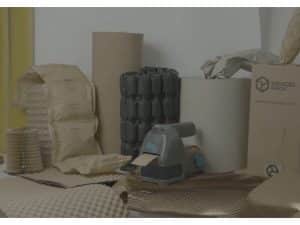
The foundation of practical sustainable packaging lies in selecting materials that are both environmentally responsible and effective in use. Recycled paper products, compostable mailers, and biodegradable wraps represent the pillars of this strategy. These materials offer a tangible reduction in carbon footprint while delivering the strength and protection required by modern logistics.
Sustnbl prioritizes recycled paper for both cushioning and void-fill applications, often as alternatives to plastics. These materials are designed to fit seamlessly into existing workflows without requiring significant operational changes. Practicality here means not just choosing green materials but ensuring they perform effectively from warehouse to consumer unboxing.
Sustnbl’s Unique Sustainable Packaging Solution: Combining Innovation and Practicality
Innovative Packaging Materials That Generate Interest
Lev Girshfeld of Sustnbl notes, “The wow factor potential customers have when seeing a paper air pillow, paper zieties, or stretchable paper is really the winner. It’s the Aha this is cool factor. “

Sustnbl’s innovation extends beyond traditional materials. Their development of unique products like paper air pillows and stretchable paper packaging taps into both the tactile delight and functional needs of recipients and packers alike. These eco-friendly materials spark surprise and engagement, reshaping expectations around what sustainable packaging can look and feel like.
This ‘Aha’ moment not only convinces brands of sustainability’s viability but also resonates with consumers who seek tangible green experiences. Lev adds that this sense of discovery often opens dialogue about further sustainable innovations, fostering broader adoption.
Balancing Sustainability Goals with Real-World Packaging Constraints
The Importance of Worker Buy-In and Practical Application
Lev Girshfeld emphasizes, “If the workers that pack your products don’t see the benefit of the change to a more sustainable packaging solution, it’s not going to work, everyone needs to be bought in. “
One of the key challenges to sustainable packaging adoption is the alignment of sustainability with operational reality on the packing line. When workers who handle packaging materials daily do not perceive clear benefits or encounter cumbersome processes with greener alternatives, resistance naturally arises.
Sustnbl addresses this by involving packers in the selection process and providing materials optimized for ease of handling. Their solutions are designed to minimize disruption and maximize acceptance, understanding that practical sustainability requires buy-in from users at all levels, not just top-down mandates.
Near-Term Opportunities for Sustainable Packaging to Become Standard Practice
Replacing Bubble Wrap with Compostable Packaging Solutions

Bubble wrap, synonymous with packaging comfort worldwide, represents a major environmental challenge due to its plastic composition and vast usage. Sustnbl sees a profound near-term opportunity in replacing bubble wrap with compostable paper alternatives.
Lev Girshfeld points out, “Bubble wrap is everywhere. ” Its ubiquity offers a visible, impactful target for brands looking to tell authentic sustainability stories. Transitioning just a portion of the bubble wrap market to compostable paper variants would generate immediate environmental benefits while delivering a high-engagement consumer unboxing experience.
This shift also aligns with regulatory trends and increasing consumer environmental awareness, making it both a strategic and ethical move for businesses aiming to lead in sustainability.
Sustnbl’s Practical and Transparent Approach to Sustainable Packaging
Lev Girshfeld states, “Sustainability does not need to be difficult. Yes, change can be expensive and painful, but a change is better than nothing. We are very practical and transparent with our approach. “
How Sustnbl Supports Brands in Their Sustainability Journey

Sustnbl offers more than materials; they provide guidance and transparency throughout the sustainability transition process. Recognizing that change often involves upfront costs and challenges, they maintain honest communication regarding trade-offs and expectations.
Through collaborative partnerships, Sustnbl helps brands simplify the adoption of practical sustainable packaging. Their boutique approach consolidates offerings to minimize decision fatigue, while their focus on operational realities helps brands avoid pitfalls common in other green initiatives.
Lev Girshfeld’s philosophy underlines that incremental improvements backed by transparency and practicality outweigh the pursuit of perfection or symbolic gestures, empowering brands to take meaningful steps toward sustainability today.
Environmental Impact and Benefits of Using Practical Sustainable Packaging
Recyclable, Biodegradable, and Compostable Packaging Materials

Choosing packaging materials that can fit into circular economy models is fundamental to reducing environmental impact. Sustnbl’s materials emphasize recyclability, biodegradability, and compostability. These characteristics help divert packaging waste from landfills and lower overall carbon emissions.
By promoting the use of recycled paper products and compostable wraps, Sustnbl aligns packaging design with environmental stewardship. Brands adopting these materials contribute to sustainable resource cycles, demonstrating commitment beyond mere compliance to an engaging, positive brand narrative.
Common Mistakes and Misconceptions in Sustainable Packaging
Avoiding Packaging Waste and Inefficiency
Many companies fall into the trap of adopting sustainable packaging materials without considering waste generated by inefficient designs or incompatibility with logistics. Simply switching to green materials can backfire if packaging is oversized, difficult to handle, or not recyclable in practice.
Sustnbl’s practical sustainable packaging solutions emphasize the importance of matched design and material choice that reduces waste at every stage—from material sourcing to end-of-life processing—ensuring true environmental benefits.
Actionable Tips for Implementing Practical Sustainable Packaging Solutions
-
Start with high-impact packaging materials like bubble wrap alternatives
-
Engage all stakeholders including packers and handlers early in the process
-
Choose packaging materials that balance sustainability with functionality
-
Be transparent with customers about sustainability commitments and challenges
-
Leverage expert guidance from companies like Sustnbl to simplify the transition
People Also Ask: Common Questions About Practical Sustainable Packaging
What is practical sustainable packaging?
Practical sustainable packaging balances environmental responsibility with the need for effective product protection and operational feasibility, ensuring materials are eco-friendly yet functional in real-world use.
How can brands transition to sustainable packaging without disrupting operations?
Brands can ensure smooth transitions by involving packers early, selecting materials tested for ease of use, simplifying product lines, and partnering with experts who emphasize transparency and pragmatic solutions.
What are the benefits of compostable packaging materials?
Compostable packaging reduces landfill waste, lowers pollution, supports circular resource use, and provides consumers with environmentally positive experiences during unboxing.
Tables: Comparison of Packaging Materials and Their Environmental Impact
| Packaging Material | Sustainability | Functionality | Cost | Environmental Impact |
|---|---|---|---|---|
| Bubble Wrap (Plastic) | Low | High | Low | High pollution, non-biodegradable |
| Paper Air Pillows | High | Moderate | Moderate | Biodegradable, recyclable |
| Compostable Paper Bubble Wrap | High | High | Moderate | Compostable, reduces waste |
| Recycled Paper | High | Moderate | Low | Supports circular economy |
| Biodegradable Packaging | High | Variable | Variable | Breaks down naturally |
Key Takeaways: Embracing Practical Sustainable Packaging
-
Sustainability must align with packaging functionality to be effective and widely adopted.
-
Innovative materials like paper air pillows offer exciting, tangible alternatives to plastics.
-
Worker and stakeholder buy-in is critical to shifting packaging practices successfully.
-
Replacing bubble wrap with compostable options presents a visible and achievable sustainability opportunity.
-
Transparency and practicality are core strengths of Sustnbl’s approach to sustainability.
Moving Towards a Sustainable Packaging Future with Sustnbl
Embracing practical sustainable packaging means prioritizing real-world impact over idealism. Brands should start today by choosing materials and approaches that balance protection, functionality, and sustainability — and Sustnbl stands ready to guide that journey.
Ready to be Sustnbl? Get in touch today.
If you’re inspired to take your sustainability efforts even further, consider exploring how a holistic approach to eco-friendly packaging can transform your entire supply chain. By integrating advanced sustainable solutions and staying ahead of industry trends, your brand can lead the way in responsible packaging while enhancing operational efficiency. For a deeper dive into the full spectrum of sustainable packaging strategies and products available, visit Sustnbl’s eco-friendly solutions hub and discover new possibilities for your business’s green journey.
Sources:
Incorporating practical sustainable packaging solutions is essential for businesses aiming to reduce environmental impact while maintaining functionality. For instance, the article “20 Sustainable Packaging Ideas: Reducing Environmental Impact” (arka. com) explores innovative materials like plantable packaging and lightweight designs that minimize waste and resource consumption. Additionally, “Understanding Sustainable Packaging: What It Is and Why It Matters” (ecoenclose. com) provides insights into materials such as recycled paper and biodegradable options, emphasizing their role in promoting circularity and reducing ecological footprints. If you’re committed to advancing your sustainability efforts, these resources offer valuable strategies and examples to guide your packaging transformation.