
BTS BioengineeringNews: Did you know that the application of biomechanics technologies in rehabilitation has grown by over 50% in the last decade? This surge underscores the critical shift toward objective, data-driven treatment strategies that improve patient outcomes and elevate clinical practice. At the forefront of this evolution is BTS Bioengineering, an industry leader renowned for integrating advanced biomechanics solutions that bridge scientific rigor with clinical usability. Their pioneering innovations in biomechanics are setting new standards in the assessment and rehabilitation of human movement.
Opening Insights: The Growing Impact ofInnovations in Biomechanics
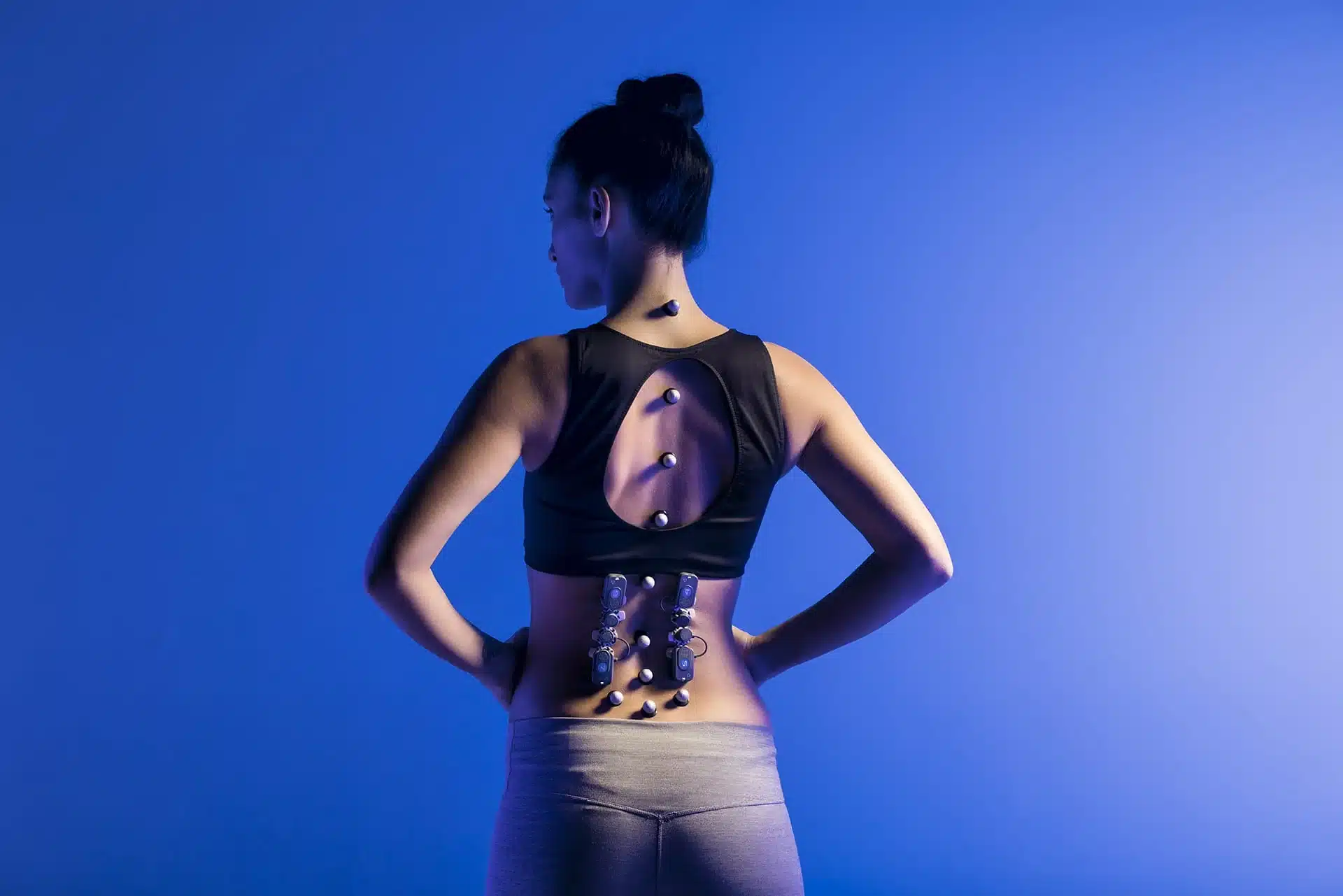
The healthcare and sports industries are witnessing a fundamental revolution driven by innovations in biomechanics. No longer limited to research laboratories, these technologies have become essential tools in clinical environments, enhancing the assessment and treatment of movement disorders. Traditional subjective observations are giving way to precise, objective measurements that allow clinicians to track progress and tailor interventions effectively.
BTS Bioengineering, with its 30-plus years of expertise, stands out by delivering integrated solutions that encompass motion capture, force platforms, electromyography, and wearable sensors in one unified system. This comprehensive approach empowers physical therapists and researchers alike to harness complete biomechanical insights, resulting in improved rehabilitation outcomes and injury prevention strategies. As Andrea Colombo, Sales Manager at BTS Bioengineering, explains, “Our approach uniquely combines gold-standard measurement technologies into a cohesive ecosystem, enabling precise injury prevention and rehabilitation. ”
Overview of Innovations in Biomechanics and Their Role in Injury Prevention and Quality of Life
Innovations in biomechanics refer to the advanced techniques and technologies developed to measure and analyze human movement with unprecedented accuracy. These advances have significant implications for both healthcare and sports, enabling practitioners to prevent injuries, optimize performance, and enhance quality of life for patients and athletes alike.
BTS Bioengineering’s integrated systems merge various measurement methods into a seamless workflow that provides robust data for clinical decision-making. By offering objective metrics on gait, force, muscle activity, and motion, their technology guides rehabilitation specialists in personalizing treatments while actively preventing injury recurrence. Andrea Colombo emphasizes, “Our solutions balance scientific rigor with practical usability, making advanced biomechanics accessible in everyday clinical practice. ” This balance is essential to translating scientific discoveries into meaningful health improvements that elevate patients’ daily experiences.
For those interested in practical applications and real-world demonstrations of these technologies, the FREELAB webinar series offers in-depth sessions on integrating motion capture and wearable sensor systems into clinical and research settings.
Core Technologies Driving Advances in Biomechanics
-
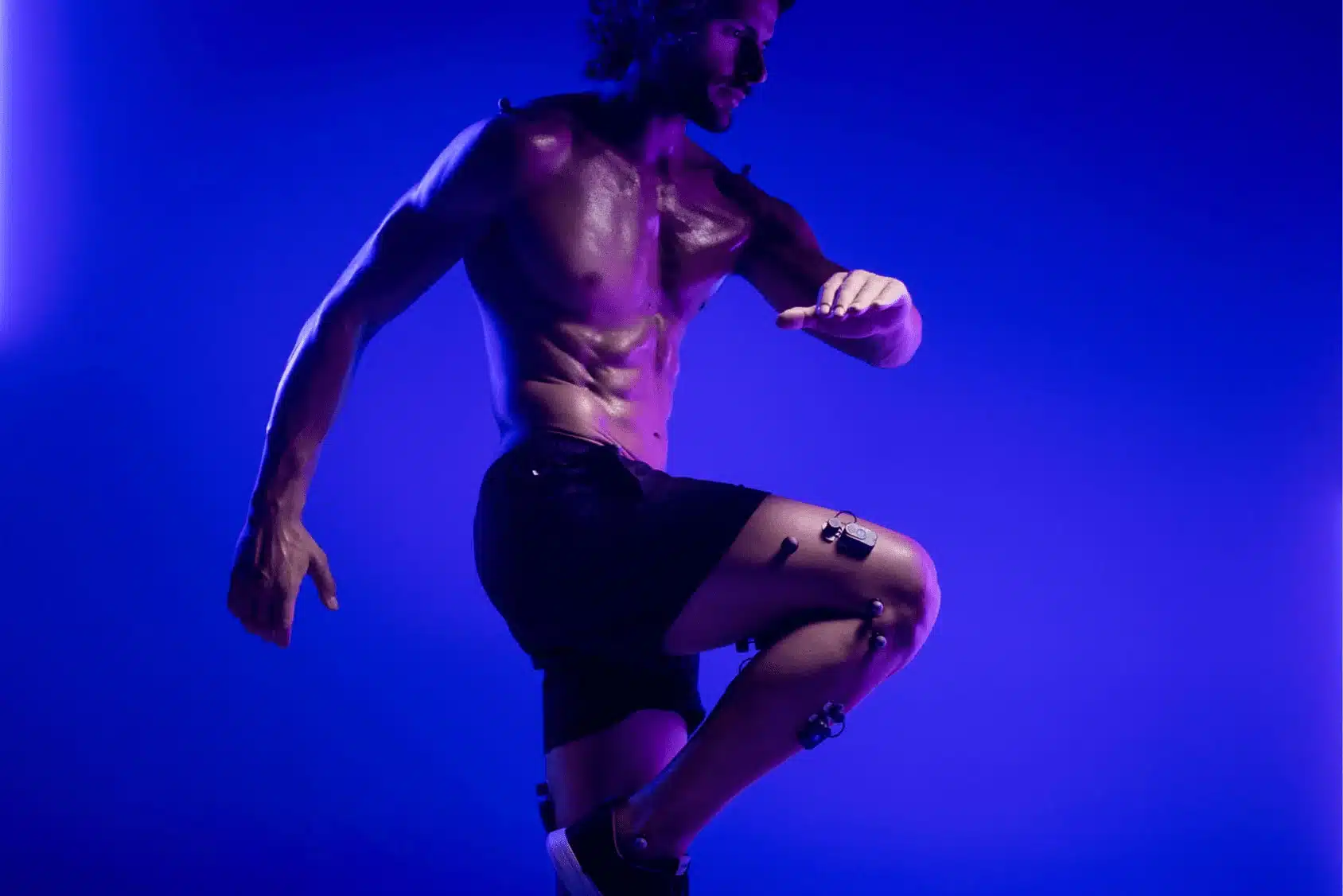
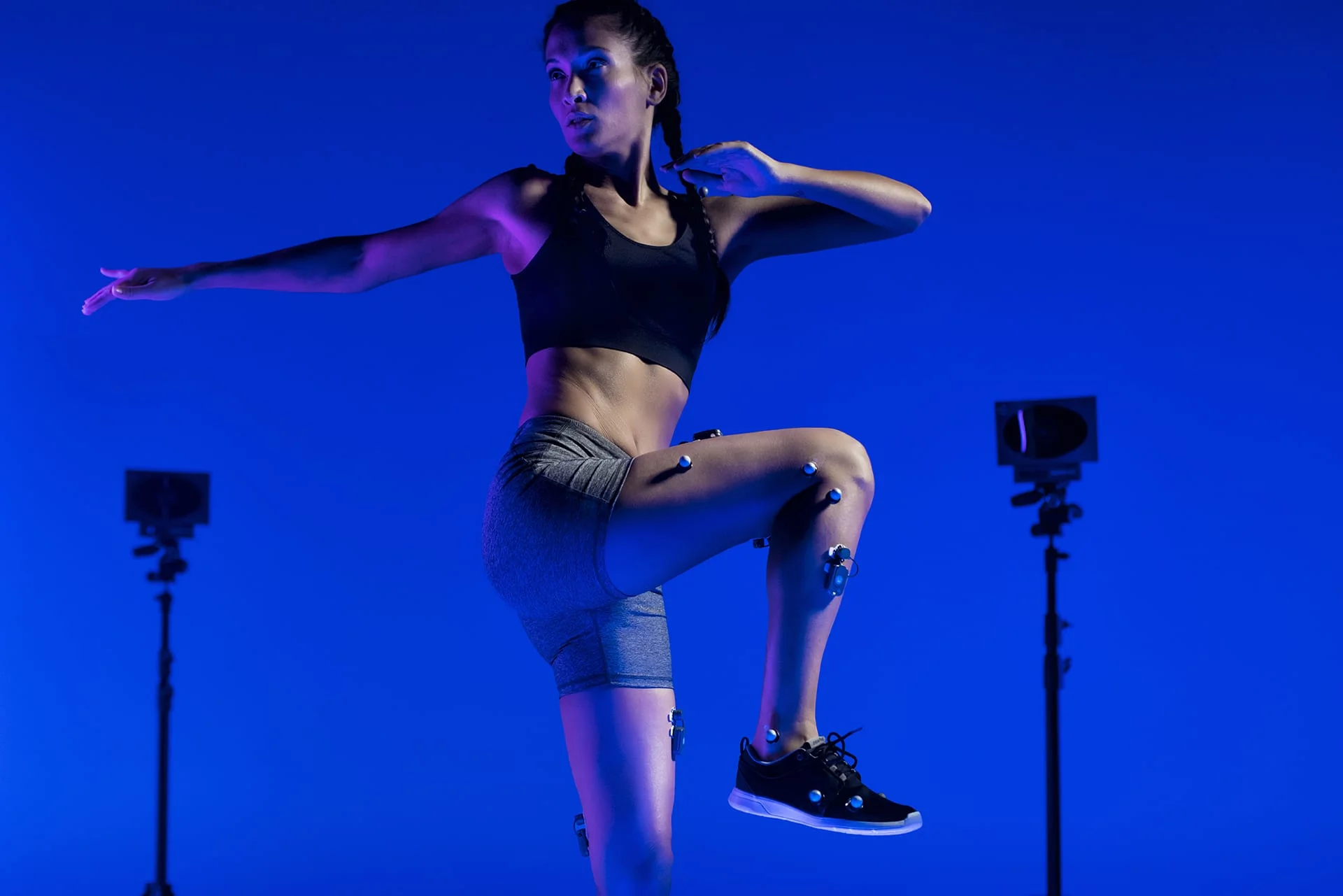
 They are at the heart of modern biomechanical analysis, allowing detailed tracking of body movements in clinical and sports settings. These systems capture three-dimensional motion data critical for understanding movement patterns and identifying dysfunctions.
 -
Wearable sensors and wireless electromyography (FREEEMG) represent the next generation of real-time data collection tools. They provide continuous monitoring of muscle activity and movement outside laboratory confines, facilitating dynamic assessments during daily activities and athletic training.
-
Force platforms measure ground reaction forces during movement, delivering valuable insights into balance, gait, and loading patterns that influence injury risk and rehabilitation progress.
 They are at the heart of modern biomechanical analysis, allowing detailed tracking of body movements in clinical and sports settings. These systems capture three-dimensional motion data critical for understanding movement patterns and identifying dysfunctions.
According to Andrea Colombo, “The integration of these technologies within one ecosystem enhances not only data accuracy but also workflow efficiency, providing clinicians with actionable insights while maintaining scientific precision. ” This synergy drives better outcomes and supports evidence-based practice across the rehabilitation and sports performance spectrum.
Addressing Industry Challenges: Streamlining Workflow and Enhancing Usability in Biomechanics
Despite the promise of biomechanics in healthcare, clinicians grapple with several practical challenges including limited time per patient and the complexity of integrating new technology into established routines. The demand for highly accurate yet efficient systems is higher than ever, especially as documentation and outcome reporting requirements increase.
BTS Bioengineering tackles these hurdles head-on by designing user-friendly interfaces and flexible configurations that respect clinical workflow constraints. Their systems employ intuitive software that simplifies data collection and interpretation without sacrificing the precision required for scientific rigor. This approach aligns with the broader trend favoring wearable tech and sophisticated medical devices that facilitate seamless adoption in busy clinical environments.
Andrea Colombo states, “We aim to make biomechanics actionable by integrating technology seamlessly into clinical workflows,” highlighting BTS’s commitment to usability alongside innovation. By combining scientific excellence with practicality, BTS empowers clinicians to leverage biomechanical data to improve patient care efficiently.
The Role of Artificial Intelligence in Enhancing Biomechanical Analysis
Artificial intelligence (AI) is rapidly transforming the landscape of biomechanics by automating complex data analysis and enabling personalized treatment planning. AI algorithms can detect subtle movement deviations, predict injury risks, and suggest targeted interventions, thereby improving clinical decision-making.
BTS Bioengineering is exploring AI integration to amplify the value of its biomechanics platforms. Future developments aim to offer clinicians AI-driven insights that complement the comprehensive data from motion capture, wearable sensors, and electromyography. This evolution promises improved reliability and a deeper understanding of human movement patterns, further personalizing rehabilitation and performance optimization.
Innovations in Biomechanics for Human Performance and Sports Applications
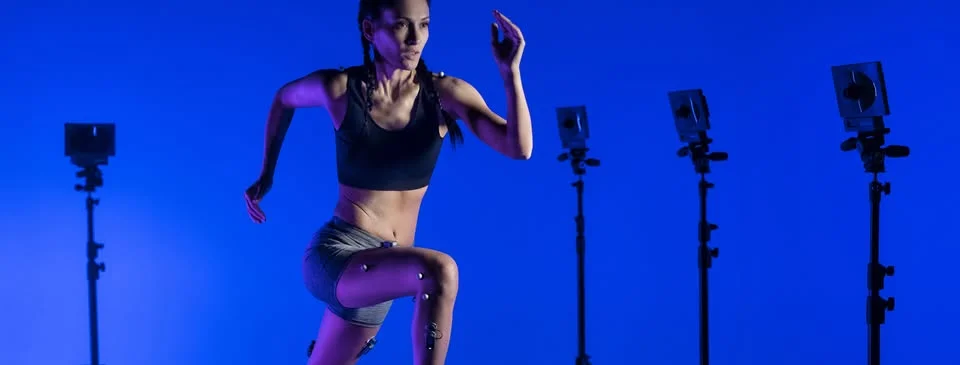
Beyond rehabilitation, BTS Bioengineering’s technology plays a crucial role in human performance optimization within sports. By applying biomechanical principles and precise measurement, coaches and sports scientists can refine training methods, minimize injury risk, and enhance athletic output effectively.
The integration of advanced sports equipment with wearable sensors and motion capture allows real-time feedback on athletic technique and biomechanics in sport-specific contexts. Performance centers and athletes benefit from objective data that inform tailored conditioning programs and injury prevention protocols.
Wearable Sensors and Motion Capture in Enhancing Athletic Training
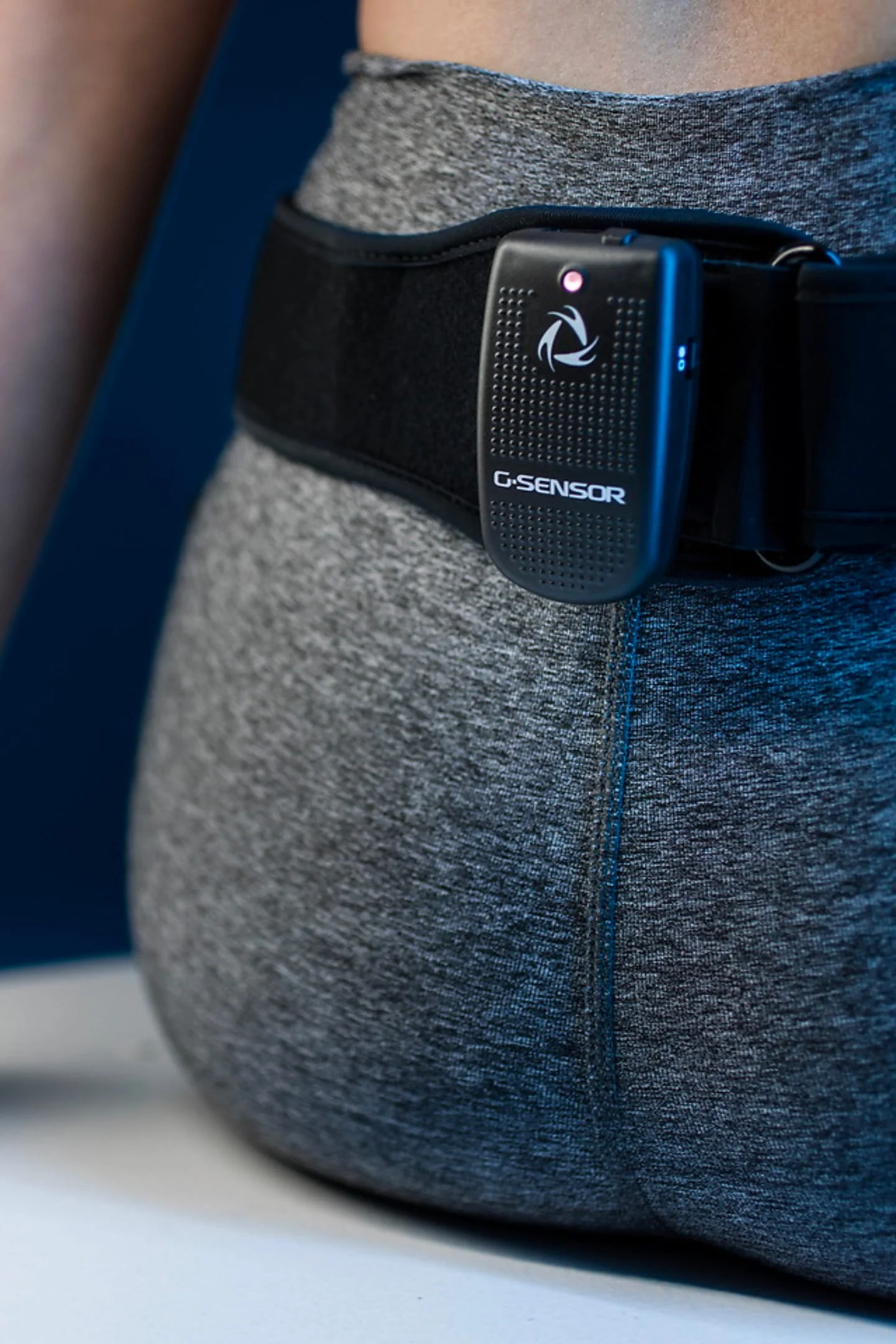
BTS Bioengineering’s wearable sensors enable precise monitoring of athletes’ body movements during training and competition, providing insights into muscle activation and joint kinematics. Coupled with motion capture data, this technology identifies inefficiencies and potential injury risks.
Case studies within sports science demonstrate that integrating this data helps improve sports performance through refined technique and personalized recovery strategies. Such evidence-based approaches reflect BTS’s mission to merge scientific advances with practical sports applications.
Expert Insights: BTS Bioengineering’s Commitment to Innovation and Clinical Relevance
Andrea Colombo articulates the core values driving BTS Bioengineering: “We prioritize innovation, reliability, and long-term partnerships, collaborating closely with clinicians, researchers, and academic institutions worldwide. ” This triad ensures that the company’s technologies remain scientifically advanced yet clinically practical.
BTS’s ongoing participation in events like the APTA Convention underscores their dedication to engaging with the physical therapy community, exchanging knowledge, and tailoring solutions to meet evolving clinical needs. This collaborative ethos fosters continuous improvement and reinforces BTS’s position as a trusted partner in biomechanics.

What You’ll Learn: Key Takeaways on Innovations in Biomechanics
|
Traditional Methods |
BTS Bioengineering’s Integrated Solutions |
|---|---|
|
Subjective observation and manual gait assessment |
Objective, data-driven gait analysis combining motion capture and force measurement |
|
Isolated use of single technologies (e.g., EMG only) |
Integrated ecosystem including motion capture, wearable sensors, and FREEEMG wireless electromyography |
|
Limited real-time feedback capabilities |
Real-time data visualization and intuitive software facilitating immediate clinical decision-making |
|
Complex workflows that hinder clinical adoption |
User-friendly interfaces and streamlined workflows adaptable to clinical settings |
-
Leverage objective data to quantify patient progress and tailor rehabilitation.
-
Utilize integrated systems to gain comprehensive insights into human movement.
-
Adopt workflow-friendly technologies that enhance clinical efficiency.
-
Collaborate with research and clinical experts to stay abreast of biomechanics advances.
Ultimately, embracing innovations in biomechanics enables clinicians and researchers to elevate evidence-based practice and improve patient outcomes.
People Also Ask: Common Questions on Innovations in Biomechanics
-
What are the advancements in biomechanics?
Advancements include integrated motion capture, wearable sensors, wireless electromyography, and AI-driven data analysis that collectively enhance the precision and application of movement assessment. -
What are some biomedical innovations?
Biomedical innovations cover technologies like bionic prosthetics, sophisticated medical devices, and real-time monitoring tools for improved healthcare diagnostics and treatment. -
What technology is used in biomechanics?
Key technologies include motion capture systems, force platforms, electromyography sensors, wearable tech, and data analytics software for comprehensive movement analysis. -
What are the real life applications of biomechanics?
Applications range from injury prevention and rehabilitation to optimizing athletic performance, designing prosthetics, and enhancing quality of life through personalized treatment plans.
Conclusion: Embracing the Future of Human Movement Analysis with BTS Bioengineering
-
Innovations in biomechanics are key to injury prevention, rehabilitation, and enhancing human performance.
-
Integrating objective data into clinical workflows improves evidence-based outcomes for patients and athletes.
-
Explore BTS Bioengineering’s cutting-edge solutions to advance your practice and support informed clinical decisions.
-
Request Info: https://www.btsbioengineering.com/info-request/
If you’re inspired by the transformative potential of biomechanics in healthcare and sports, there’s a wealth of advanced strategies and future-focused discussions to explore. Delve deeper into the evolving landscape of human movement analysis and discover how integrated technologies are shaping the next generation of clinical and research excellence. For a broader perspective on the latest trends, expert insights, and strategic innovations in the field, visit the FREELAB webinar archive—your gateway to ongoing education and the future of biomechanics.
Sources
To further explore the advancements in biomechanics, consider the following resources: Utah’s Bionic Leg Named Among TIME’s Top 2023 Inventions highlights a robotic prosthesis developed by the University of Utah that replicates the biomechanics of the human knee, ankle, and toe, aiming to enhance mobility for individuals with amputations. Industry Innovations in MSK Health discusses recent technical advancements in musculoskeletal health, including the OsseoFit® Stemless Shoulder System, showcasing the application of translational biomechanics in orthopedic device development. These resources provide valuable insights into cutting-edge developments in biomechanical technology and their applications in healthcare.