
Did you know that over 50% of physical rehabilitation outcomes depend on how effectively clinicians can measure and engage patients during therapy? At the forefront of bridging this gap is Thought Technology, a company transforming rehabilitation tool design by putting clinicians’ needs first. This article dives deep into their unique approach, product innovations, and the future of rehabilitation technology.
Startling Insights into Rehabilitation Tool Design and Its Impact on Patient Outcomes
The Growing Demand for Advanced Rehabilitation Systems in Physical Rehabilitation
The landscape of physical rehabilitation is rapidly evolving as healthcare providers seek tools that not only measure progress objectively but also actively motivate patients. Traditional rehabilitation methods often rely heavily on subjective assessments, which can result in inconsistent outcomes. This has created a pressing demand for sophisticated rehabilitation systems that deliver clear, data-driven feedback in real time.
Clinicians are increasingly challenged by time constraints and the need to demonstrate measurable results to patients and referral sources. The integration of advanced biofeedback and neurophysiological instrumentation into rehabilitation workflows is becoming a pivotal solution. These systems enhance motor learning by translating neuromuscular signals into visually understandable and motivating feedback, thereby increasing patient engagement and improving outcomes.
Overview of Thought Technology and Its Unique Approach to Rehabilitation Tool Design
Thought Technology’s Legacy: Over 50 Years of Expertise in Biofeedback and Neurophysiological Instrumentation
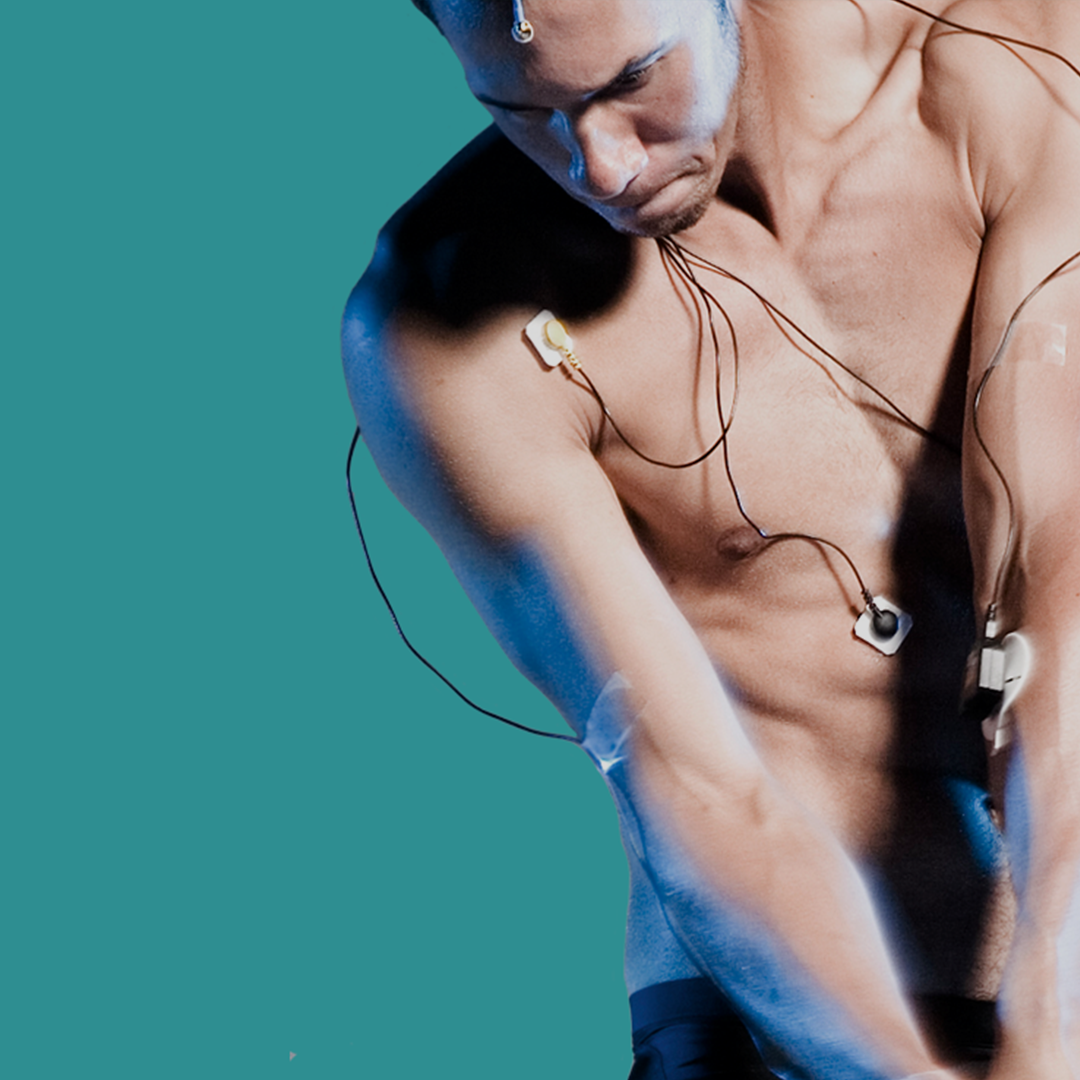
Thought Technology Ltd. , based in Canada, boasts a proud history of over five decades pioneering biofeedback and neurophysiological instrumentation. Their core mission focuses on supporting diverse clinical environments, including physical therapy clinics, hospitals, and research institutions. What truly sets Thought Technology apart is their commitment to clinically validated tools designed to empower clinicians while enhancing patient participation.
Geva Antoplosky, Physical Rehabilitation Product Line Manager at Thought Technology, emphasizes, “Our systems are designed by clinicians, for clinicians — prioritizing intuitive workflows, high-fidelity data, and adaptability across a wide range of rehabilitation applications. ” This philosophy reflects a deep understanding of clinical needs and the practical challenges faced by therapists and patients alike.
Key Features That Differentiate Thought Technology’s Rehabilitation Tool Design
The distinction of Thought Technology’s rehabilitation tool design lies in three critical areas: signal quality, flexibility, and clinical usability. Their systems deliver high-fidelity physiological signals that ensure reliable and accurate measurement of neuromuscular activity. Unlike devices constrained to rigid protocols, their platforms allow clinicians to customize session designs to suit varied therapeutic objectives.
This flexibility enables applications across multiple rehabilitation domains such as pelvic health, orthopedic rehabilitation, neurorehabilitation, and sports medicine. Furthermore, Thought Technology’s user-centric approach embraces intuitive interfaces, reducing the learning curve and eliminating technical barriers that often hinder clinical workflow efficiency.
Core Products Showcased by Thought Technology: The MyOnyx Rehabilitation System
Multi-Modal Capabilities: Combining Surface EMG, Pressure Biofeedback, and Electro-stimulation
At the forefront of Thought Technology’s product lineup stands the MyOnyx rehabilitation system, a flagship all-in-one platform integrating surface electromyography (sEMG), pressure biofeedback, and multi-channel electrostimulation. This multi-modal capability offers clinicians a versatile toolkit that supports precise assessment and therapy within a portable, tablet or PC-compatible device.
The integration of these modes allows therapists to address complex neuromuscular dysfunctions with tailored interventions. sEMG tracks muscle activity with high sensitivity, pressure biofeedback refines motor control strategies, and electrostimulation reinforces muscle activation patterns—together facilitating robust motor learning and improved patient engagement.
Applications in Upper Limb Rehabilitation, Pelvic Health, and Neurorehabilitation
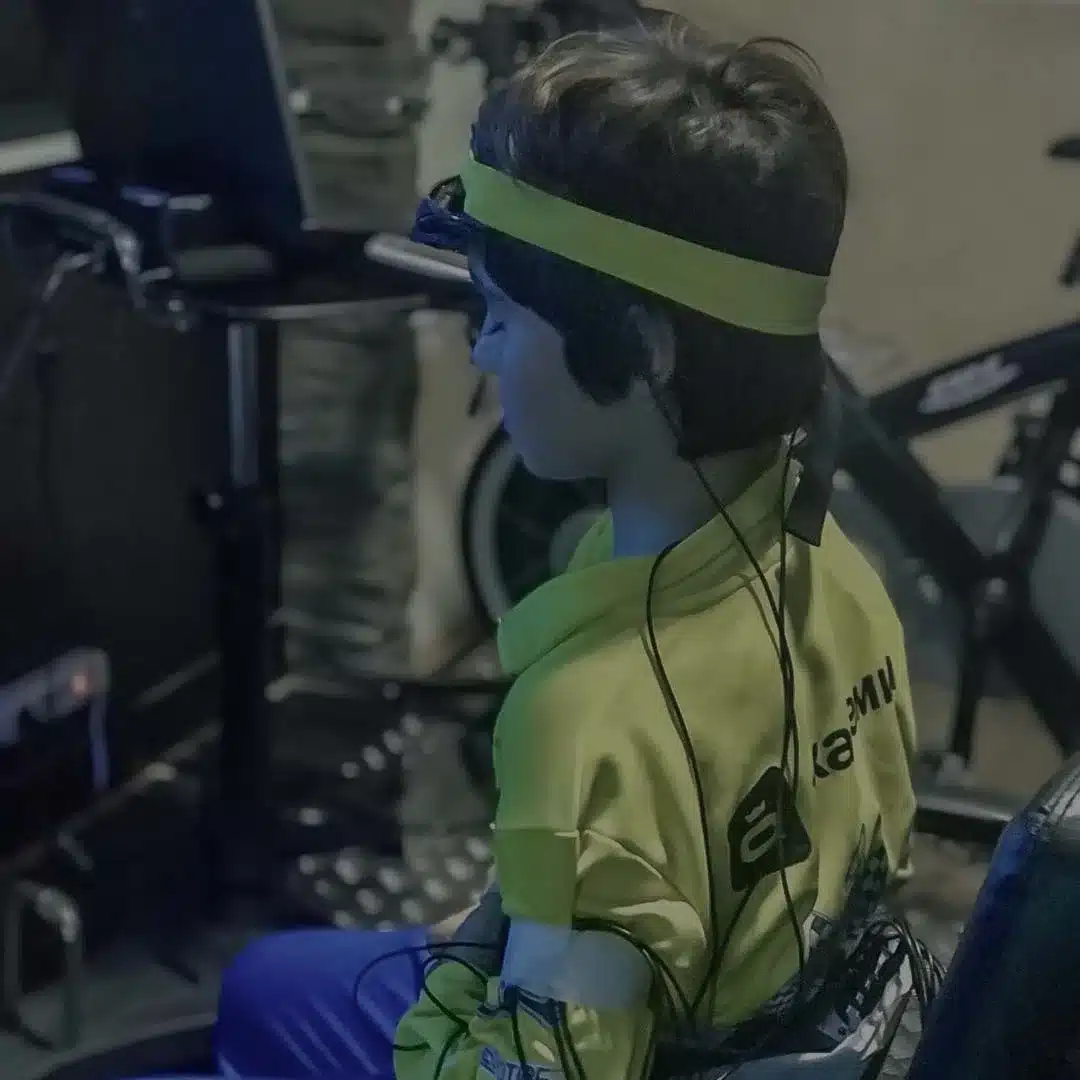
The design of MyOnyx supports broad applications across multiple rehabilitation fields. It is particularly effective in upper limb rehabilitation, where precise muscle activity tracking assists in recovery from injuries or stroke-related impairment. The system’s biofeedback components provide patients with understandable cues and real-time progress indicators, which are crucial for maintaining patient motivation during extended therapy sessions.
Additionally, MyOnyx serves pelvic health practitioners by enabling nuanced control of pelvic floor muscles and assisting neurorehabilitation specialists to retrain neuromuscular pathways disrupted from neurological conditions. This adaptability ensures that both clinicians and patients gain maximum therapeutic benefit, enhancing clinical outcomes across diverse patient profiles.
Addressing Industry Trends and Challenges Through Innovative Rehabilitation Tool Design
The Need for Objective Measurement and Efficient Clinical Workflows in Physical Rehabilitation
The rehabilitation field is under increasing pressure to adopt objective measurement tools that validate treatment efficacy and optimize clinic workflows. As clinics face growing caseloads and limited time per patient, technologies must provide meaningful physiological data without complicating session management.
Thought Technology has tackled these challenges head-on by designing systems that balance sophistication with ease of use. Their biofeedback tools deliver real-time, quantitative data that empower clinicians to precisely tailor therapy while streamlining documentation and reporting—a critical factor in modern healthcare environments where efficiency is paramount.
Enhancing Patient Motivation and Engagement with Real-Time Biofeedback
One of the most significant challenges in rehabilitation is sustaining patient engagement over often lengthy and challenging recovery processes. Thought Technology addresses this by integrating responsive biofeedback that provides instant, clear, and motivating insights into muscle activity and progress.
Geva Antoplosky of Thought Technology explains, “Features such as responsive biofeedback, flexible session design, and advanced reporting tools help clinicians personalize care and clearly communicate results to patients and referral sources. ” This capability transforms abstract physiological signals into empowering information that encourages active patient participation and adherence.
Integration of Rehabilitation Systems in Stroke Rehabilitation and Limb Rehabilitation
The increasing prevalence of stroke survivors has amplified demand for effective neurorehabilitation tools. Rehabilitation systems like MyOnyx play a critical role in stroke rehabilitation by offering adaptable and measurable therapies that precisely target impaired limbs.
By providing high-quality real-time feedback, these systems enable stroke patients to visualize their motor recovery, reinforcing progress and building confidence. The ability to customize protocols allows clinicians to address the complexity of each patient’s rehabilitation journey, supporting better outcomes in upper limb and limb rehabilitation overall.
Expert Insights: Designing Rehabilitation Tools by Clinicians for Clinicians
The Importance of Clinical Usability and Flexibility in Rehabilitation Tool Design
Rehabilitation tool design must balance cutting-edge technology with practical usability in clinical settings. Thought Technology exemplifies this by involving clinicians directly in the design process, ensuring that systems align with everyday therapeutic workflows.
This clinician-centric approach guarantees that products are neither overly rigid nor complex but can be adapted fluidly to patient-specific needs and therapy goals. The result is a more natural integration of technology that supports therapists’ skills rather than replacing them, preserving clinical judgment as the core of patient care.
How Thought Technology’s Approach Supports Evidence-Based Practice and Professional Development
Thought Technology’s commitment extends beyond product manufacturing to fostering evidence-based practice and continuous professional development. Their tools provide objective, high-quality data that underpin research and clinical validation, empowering practitioners to enhance their therapeutic strategies with scientific rigor.
By actively engaging with clinical users and incorporating their feedback into iterative product enhancements, Thought Technology helps drive innovation that remains aligned with evolving best practices. This dynamic partnership promotes better training, more effective patient outcomes, and broader adoption of biofeedback in rehabilitation.
Future Directions: Software Enhancements and Wireless Sensor Technologies
Looking ahead, Thought Technology is investing significantly in software improvements and wireless sensor integration to further augment usability and accessibility. Wireless sensors will enable more freedom of movement for patients, enhancing naturalistic exercise environments while maintaining data accuracy.
Enhanced reporting tools will simplify documentation and data analysis, helping clinicians communicate progress seamlessly with patients and interdisciplinary teams. These innovations signal a promising future for rehabilitation tool design that prioritizes both clinical rigor and ease of use.
Practical Guide: How to Design a Rehabilitation Program Using Advanced Rehabilitation Systems
Understanding the Four Stages of Rehabilitation and Their Application
Designing an effective rehabilitation program requires a structured approach through its four key stages: acute phase, subacute phase, rehabilitation phase, and maintenance phase. Each stage emphasizes different therapeutic goals, from pain relief and inflammation control to strengthening and functional retraining.
Advanced rehabilitation systems like MyOnyx facilitate tailored interventions across these stages by providing precise physiological measures and adaptive biofeedback. For example, during the acute phase, gentle neuromuscular stimulation can prevent muscle atrophy, whereas the rehabilitation phase focuses on enhancing motor control and coordination.
Incorporating Patient Motivation and Feedback into Program Design
Patient motivation is integral to success in any rehabilitation program. Incorporating biofeedback technologies delivers immediate, understandable feedback that keeps patients informed about their progress, fostering a sense of achievement and commitment.
Clinicians can leverage flexible session designs to gradually increase exercise difficulty based on real-time performance, adapting to patient readiness and encouraging continuous improvement. This responsive feedback loop enhances both clinical outcomes and patient satisfaction.
|
Rehabilitation Tool |
Features |
Best Used For |
Advantages |
|---|---|---|---|
|
MyOnyx |
Surface EMG, Pressure Biofeedback, Electro-stimulation, Portable |
Upper Limb Rehab, Pelvic Health, Neurorehabilitation |
Multi-modal, flexible, clinician-designed, real-time feedback |
|
Standard Biofeedback Devices |
Single modality, limited customization |
Basic muscle activation training |
Simple, cost-effective |
|
Virtual Reality Rehab Systems |
Immersive VR, motion tracking |
Functional movement retraining, motivation |
Highly engaging, simulates real-world tasks |
Designing a Rehabilitation Center: Essential Tools and Technologies for Effective Physical Rehabilitation
Selecting Rehabilitation Systems That Enhance Clinical Workflow and Patient Outcomes
When establishing or upgrading a rehabilitation center, selecting technology that integrates smoothly into clinical workflows is crucial. Systems like those offered by Thought Technology emphasize ease of use without sacrificing data precision, ultimately freeing clinicians to focus more on care and less on navigating complex devices.
Choosing multi-functional rehabilitation tools optimizes space and resources while offering broad therapeutic applications, enhancing both efficiency and patient outcomes within the center.
Integrating Virtual Reality and Virtual Real Environments in Rehabilitation
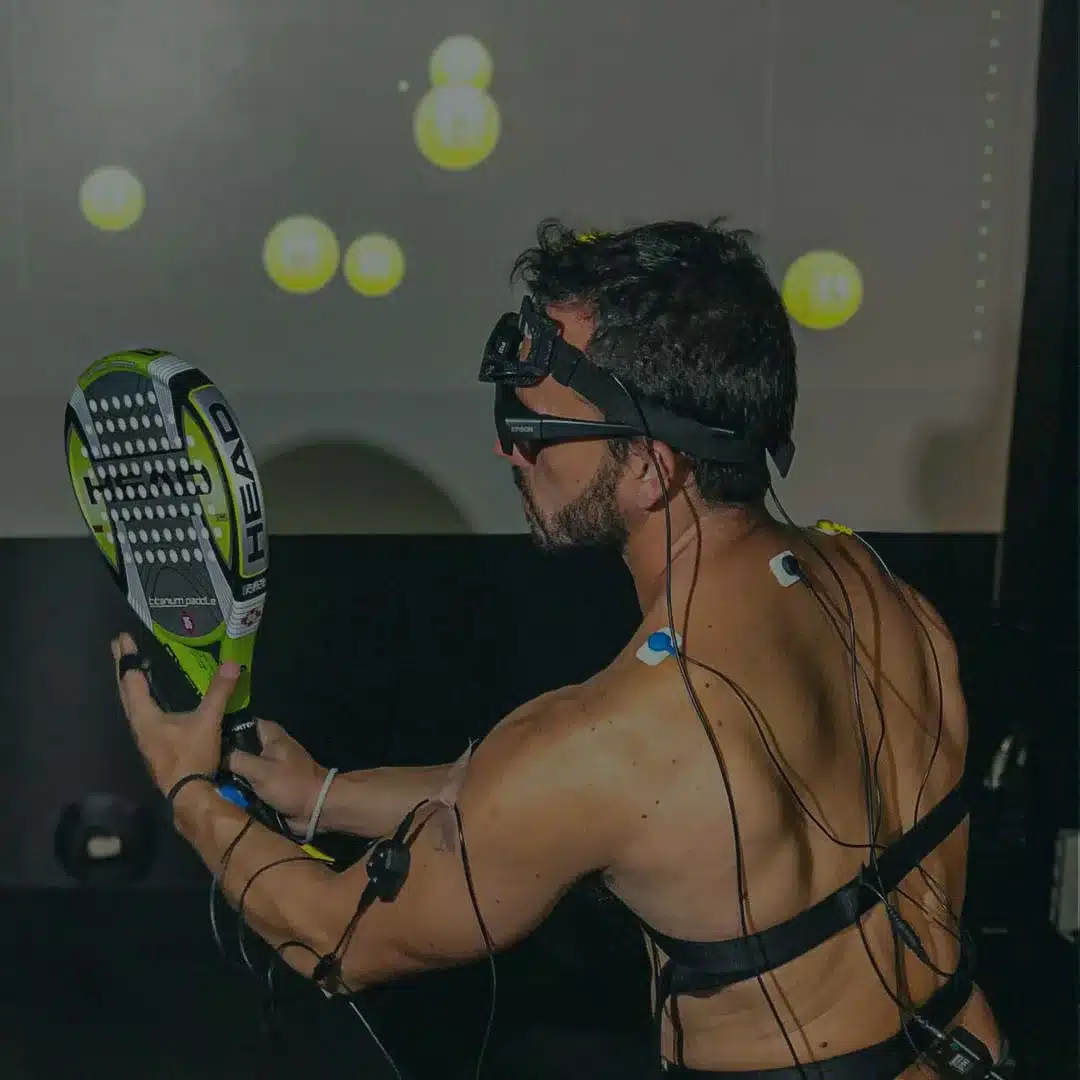
Emerging technologies such as virtual reality (VR) and virtual real (VRt) environments offer immersive, engaging platforms for rehabilitation. Combined with objective biofeedback, these environments provide patients with stimulating scenarios that promote functional movement and cognitive engagement.
Integration of VR with high-fidelity biofeedback devices creates comprehensive rehabilitation solutions that adapt to patient progress and encourage consistent participation, marking an exciting frontier in rehabilitation tool design.
People Also Ask: Common Questions About Rehabilitation Tool Design and Physical Rehabilitation
How to Design a Rehabilitation Program?
Designing a rehabilitation program involves assessing patient needs, defining goals within the four rehabilitation stages, and selecting appropriate interventions and tools. Incorporation of real-time biofeedback and flexible protocols enhances personalization and effectiveness.
What Are the 4 Stages of Rehabilitation?
The standard stages include the acute phase (injury management), subacute phase (early recovery), rehabilitation phase (functional restoration), and maintenance phase (long-term prevention and wellness).
How to Design a Rehabilitation Center?
Design requires a balance of space, technology, and expertise. Selecting adaptable, user-friendly systems, such as multi-modal rehabilitation devices, ensures comprehensive patient care and efficient clinical workflows.
What Are Some Tools That Physical Therapists Use?
Physical therapists use a variety of tools including biofeedback devices, electrostimulation units, virtual reality systems, resistance bands, and ergonomic exercise equipment to support motor learning and recovery.
Key Takeaways: Best Practices in Rehabilitation Tool Design for Clinicians
-
Rehabilitation tool design should prioritize signal quality, clinical usability, and adaptability.
-
Clinician-driven design enhances workflow efficiency and patient outcomes.
-
Multi-modal systems like MyOnyx provide flexible, precise therapy options across rehab disciplines.
-
Real-time biofeedback is crucial for engaging patients and supporting motor learning.
-
Ongoing development of wireless sensors and software improvements will expand tool accessibility and effectiveness.
Conclusion: Advancing Rehabilitation Through Thought Technology’s Clinician-Centered Design
Summary of Innovations and Their Impact on Patient Care and Clinician Efficiency
Thought Technology’s innovations in rehabilitation tool design demonstrate how clinician collaboration can produce versatile, data-driven systems that improve patient motivation and clinical confidence alike. By focusing on usability and flexibility, these tools transform rehabilitation into an objective, measurable, and engaging process.
Invitation to Connect and Learn More at Thought Technology
Geva Antoplosky emphasizes, “We are deeply committed to long-term clinical partnerships, valuing education, transparency, and responsiveness to clinician feedback. ” Engage with Thought Technology’s experts to experience firsthand how these rehabilitation advances can enhance your clinical practice.
Contact Us
For More Information on Rehabilitation Tool Design, Call 514-489-8251
Sources
In the realm of rehabilitation tool design, several innovative approaches are enhancing patient care and clinician efficiency. For instance, the article “Rehab Hospital Uses Landscape as Healing Tool” discusses how the Craig H. Neilsen Rehabilitation Hospital integrates outdoor therapy spaces with native landscapes to promote healing and patient engagement. (healthcaredesignmagazine. com) Additionally, the study “Design of a Hand Rehabilitation Device Using Integrated Axiomatic and Benchmarking Methods” presents a systematic approach to developing hand rehabilitation devices that align with diverse patient needs, emphasizing the importance of user-centered design in therapeutic tools. (sciencedirect. com) Exploring these resources can provide valuable insights into innovative rehabilitation tool designs that prioritize both patient outcomes and clinician usability.