
Commercial HVAC Service Trends for Waynesboro Businesses
The Waynesboro summer heat transforms small HVAC issues into major business expenses rapidly—most costly failures are preventable with disciplined basic maintenance. For businesses managing commercial properties, this seasonal surge exposes existing weaknesses in HVAC systems. According to Chuck Weisman, Founder of VA Commercial Repair Solutions, the most expensive commercial HVAC failures often begin with avoidable issues that escalate under summer’s high cooling demand.
Understanding commercial HVAC service trends during Waynesboro summers is essential for business owners and facility managers who want to avoid unexpected downtime and uncontrollable repair costs. This guide dives deep into the prevalent problems, warning signs, hidden expenses, and the critical importance of local, rapid-response HVAC services in Waynesboro.
Facts About Commercial HVAC Service Trends in Waynesboro Summers
-
HVAC compressor failures and refrigerant leaks spike during peak summer months.
-
Preventive maintenance can reduce HVAC system repairs and downtime by 30-40%.
-
Dirty air filters are the leading cause of costly HVAC breakdowns.
Overview of Costly HVAC Problems During Waynesboro Summers
Common Expensive HVAC Failures in Commercial Systems
Chuck Weisman, Founder of VA Commercial Repair Solutions, explains, “The most expensive issues usually involve compressor failure, major refrigerant leaks, or electrical component burnout. These often start as small, preventable problems but escalate when systems are under constant summer demand.”
During Waynesboro’s intense summer months, commercial HVAC systems endure extreme stress to maintain cooling. The most costly failures typically stem from compressor failure, significant refrigerant leaks, and electrical component burnouts. These failures are rarely sudden; rather, they originate from subtle issues that go unchecked while the system operates at full capacity.
Failure to address minor problems like restricted airflow, worn parts, or refrigerant imbalance can cause system components to overwork and eventually break down. This results not only in expensive repairs but also risks operational downtime that disrupts business activities during critical periods.
While summer brings unique HVAC challenges, it’s important to remember that seasonal maintenance is a year-round commitment. For businesses preparing for colder months, reviewing a comprehensive commercial furnace maintenance checklist can help ensure your heating systems are just as reliable as your cooling equipment.
The Critical Role of Air Filters in Preventing HVAC Failures
-
Monthly air filter changes improve airflow and reduce strain on compressors and blower motors.
-
Dirty filters increase energy usage and shorten equipment lifespan.
-
Clogged filters contribute to ice buildup on evaporator and condenser coils.
One of the leading underlying contributors to these expensive failures is neglected air filters. Chuck Weisman stresses that changing air filters monthly is the single most important maintenance task yet often overlooked. Dirty or clogged air filters choke airflow through HVAC systems, forcing compressors and blower motors to work harder.
This extra strain accelerates wear and tear, shortens equipment life, and leads to spikes in energy consumption that inflate operational costs. Additionally, restricted airflow promotes ice formation on evaporator and condenser coils, which can trigger further mechanical failures.
Understanding Ice Formation on HVAC Equipment and Its Consequences
According to Chuck Weisman, “If you ever see ice anywhere on your HVAC system, the entire unit must be turned off and allowed to thaw. Ice buildup causes expansion and contraction that can lead to coil leaks, sometimes requiring full equipment replacement.”
Technical Causes and Risks of Ice on HVAC Coils
Ice formation on HVAC coils is a critical warning sign indicating airflow problems—typically caused by dirty air filters or malfunctioning defrost sensors. The evaporator coil, responsible for cooling indoor air, or the condenser coil outdoors, which releases heat, can accumulate ice due to inadequate airflow.
This ice causes expansion and contraction cycles that stress the metal coils and delicate fins, potentially causing cracks and refrigerant leaks. While a compressor replacement is costly, a leaking coil can be even more severe, sometimes necessitating complete equipment replacement—a far higher expense.
Immediate Actions to Take When Ice Is Detected

Upon spotting ice on your HVAC or refrigeration equipment, immediate action is essential. Turn off the unit immediately to allow the ice to thaw safely. Check and replace air filters if dirty. If filters are clean, this ice likely signals a deeper problem like a faulty sensor, defrost mechanism, or an existing refrigerant leak requiring fast professional attention.
Ignoring ice buildup risks rapid escalation to compressor strain, coil failure, and costly downtime. It’s best to treat ice as a serious alarm rather than a superficial nuisance.
How Lack of Regular Maintenance Drives High-Cost HVAC Failures
The Impact of Neglected Airflow and Worn Components
Chuck Weisman of VA Commercial Repair Solutions emphasizes, “Without regular maintenance, small issues like airflow restrictions caused by dirty air filters and coils or worn components go unnoticed and put additional strain on the system, leading to bigger failures during peak summer usage.”
Without a disciplined maintenance routine, tiny issues such as clogged air filters or buildup on coils quietly diminish HVAC efficiency. Worn mechanical and electrical parts can degrade silently, increasing system strain during Virginia’s peak summer demand.
This hidden degradation often results in surprise breakdowns and expensive emergency repairs when businesses can least afford them. Constant heavy usage without upkeep dramatically shortens equipment lifespan and risks complete system failures.
Preventive Maintenance as a Cost-Reduction Strategy
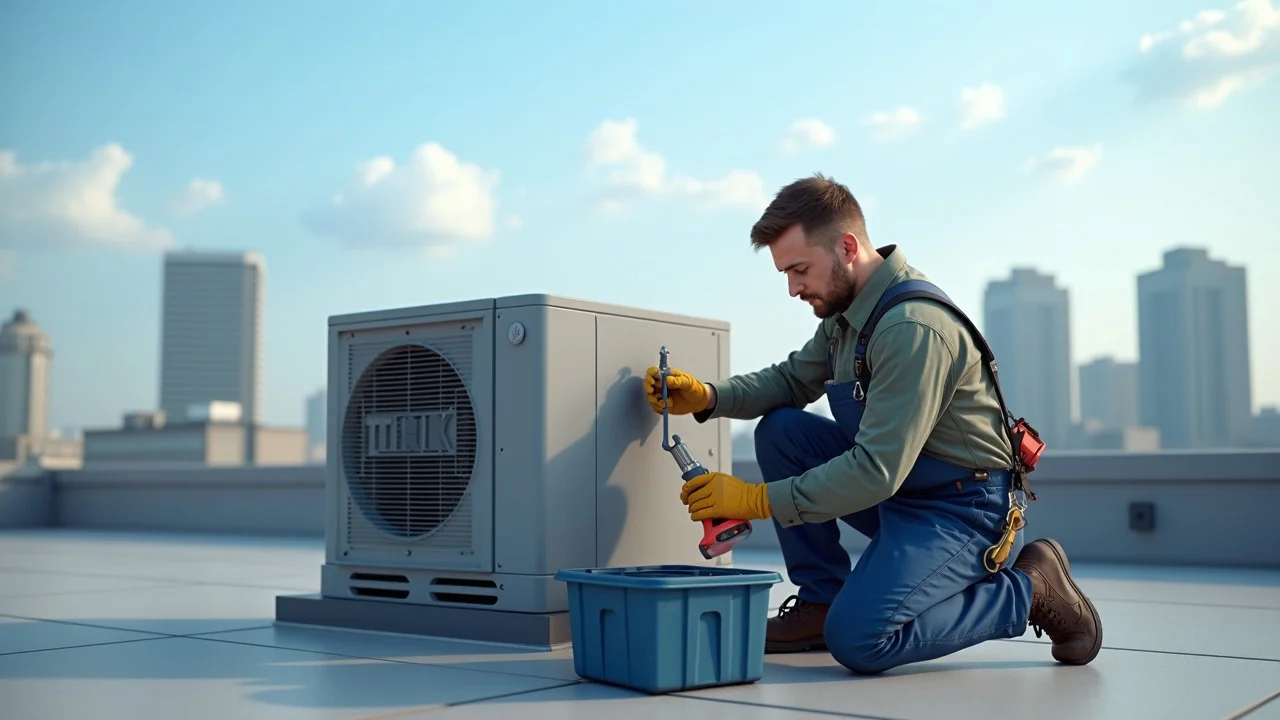
Implementing a proactive preventive maintenance plan is the most effective strategy to reduce costly summer HVAC failures. Routine inspections, regular filter replacements, coil cleanings, refrigerant checks, and electrical testing help catch minor issues early, preventing expensive breakdowns.
Chuck Weisman advocates that quality maintenance performed by competent technicians can reduce repair needs and downtime by 30-40%, while also extending equipment life by up to 30%. This strategic investment helps businesses manage operational risks and costs more predictably.
Hidden Costs of Poor HVAC Maintenance Beyond Repairs
-
Significantly higher energy bills due to inefficient operation.
-
Reduced equipment lifespan and increased downtime.
-
Inconsistent indoor comfort affecting employee productivity and customer experience.
-
Increased dust and airborne particles compromising air quality.

Poor HVAC maintenance impacts far more than just repair bills. Inefficient systems increase energy consumption, leading to higher utility expenses. Equipment wears out faster, forcing earlier replacements and causing more frequent downtime.
Furthermore, inconsistent temperature control and increased airborne dust degrade indoor air quality, lowering comfort and productivity for employees and detracting from customer experience. Businesses face hidden operational costs that accumulate rapidly during the summer heat.
Benefits of aCommercial AC Maintenance Programin Stabilizing Operating Costs
Chuck Weisman states, “A Preventive Maintenance program performed by a competent, caring technician is worth its weight in gold! It keeps systems running efficiently and reduces unexpected breakdowns, allowing businesses to plan around routine service and control costs.”
Consistency and Predictability in HVAC Service and Energy Usage

Commercial HVAC maintenance programs enable businesses to transform unpredictable repair expenses into planned service investments. By maintaining HVAC systems regularly, companies enjoy steady, efficient performance that stabilizes energy usage and reduces emergency breakdown costs.
This consistency allows financial planning and budgeting for HVAC operations, mitigating surprise downtime and unexpected capital expenditures.
The Importance of Local and Responsive HVAC Service in Virginia
Why Quick Response Matters During Peak Summer Heat
In Waynesboro’s scorching summer months, rapid HVAC service response is essential. Businesses cannot afford lengthy waits when cooling systems fail, as temperature losses impact employee comfort, customer satisfaction, and even safety standards in sensitive environments.
Chuck Weisman highlights that having a local, accessible HVAC team ensures faster emergency responses and quicker issue resolution, minimizing downtime and protecting business continuity.
Advantages of Choosing Local HVAC Service Providers
Local service providers understand regional climate challenges specific to Virginia and often have shorter travel times, allowing for swift diagnostic and repair visits. This proximity improves communication, customer service quality, and allows businesses to build trusted maintenance relationships with skilled professionals familiar with their equipment.
Which Commercial Businesses Benefit Most from Ongoing HVAC Maintenance?
-
Restaurants requiring consistent cooling for food safety and customer comfort.
-
Medical offices where temperature control is critical for patient care.
-
Retail spaces that depend on stable environments to enhance customer experience.
Business sectors with stringent cooling needs or those highly dependent on customer and staff comfort—like restaurants, healthcare facilities, and retail stores—gain the greatest advantages from continuous HVAC upkeep. Uninterrupted cooling ensures operational stability and compliance with health and safety regulations, preventing costly disruptions.
Transitioning from Reactive to Proactive HVAC Maintenance
Chuck Weisman advises, “I’d recommend shifting to a maintenance-first approach as soon as possible. Waiting until something breaks almost always costs more and creates unnecessary stress. A simple maintenance plan can prevent most major issues and give business owners peace of mind.”
Benefits of Priority Service and Repair Discounts with Maintenance Contracts
Switching from reactive repair to proactive maintenance empowers businesses to avoid emergency breakdowns and costly repairs. Maintenance contracts often come with priority scheduling and discounted repair rates, providing financial and operational advantages during Virginia’s demanding summer seasons.
Such programs offer peace of mind, ensuring cooling systems receive expert attention before problems escalate.
Key Points:
-
Key commercial HVAC service trends impacting Virginia businesses.
-
How preventive maintenance reduces costly summer HVAC failures.
-
The critical role of local, responsive HVAC service providers.
-
Actionable tips to improve HVAC system reliability and cost efficiency.
People Also Ask
-
What are the most common HVAC problems during summer?
Compressor failures, refrigerant leaks, electrical burnout, and ice buildup on coils are frequent problems during peak heat. -
How often should commercial HVAC air filters be changed?
Air filters should ideally be changed every month to maintain airflow and system efficiency. -
Why is local HVAC service important for businesses?
Local providers offer faster response times and tailored knowledge of regional climate challenges. -
What are the benefits of a preventive maintenance program?
It reduces breakdowns, improves energy efficiency, extends equipment lifespan, and stabilizes operating costs.
Key Takeaways
-
Commercial HVAC service trends emphasize preventive maintenance to avoid costly repairs.
-
Dirty air filters and ice buildup are major contributors to system failures.
-
Local, responsive HVAC service is essential for minimizing downtime during peak seasons.
-
Proactive maintenance programs stabilize operating costs and improve system longevity.
Conclusion
Chuck Weisman concludes, “Investing in a quality preventive maintenance program and choosing a local, responsive HVAC service provider are the best ways for businesses to protect their operations and control costs during Virginia’s demanding summers.”
Staying ahead of seasonal HVAC challenges is just one part of a comprehensive facility management strategy. If you’re interested in taking a more holistic approach to year-round comfort and operational efficiency, consider exploring broader maintenance checklists and best practices. For example, understanding how to prepare your commercial heating systems for winter can further safeguard your business from unexpected disruptions—discover actionable steps in our guide to Charlottesville commercial furnace maintenance and winter HVAC preparation. By integrating both cooling and heating strategies, you’ll be better equipped to maintain stable costs and uninterrupted comfort throughout every season.