
Did you know the global toy market is expected to reach $430 billion by 2030, yet children today are increasingly sedentary?Pedal Tron Inc., embraces this paradox that presents unique challenges and opportunities for toy companies aiming to blend fun with physical activity.

Overview of the Toy Industry Business Strategies
Definition and scope of the toy industry business strategies
Current market size and growth projections
Key segments: toys and games, licensed products, and interactive toys
The toy industry business strategies encompass a wide range of approaches companies use to succeed in a highly competitive and evolving market. This includes product innovation, licensing agreements, manufacturing efficiency, and marketing tactics. The industry itself is enormous: Curtis Lund, founder of Pedal Tron Inc., highlights that “The toy market is $66 billion in the U.S. and $350 billion worldwide, expected to grow to $430 billion by 2030.” This growth trajectory underlines the importance for companies to stay ahead through strategic planning.
Toy companies must target various segments, including traditional toys and games, licensed products that tie in popular entertainment properties, and increasingly, interactive toys that blend digital and physical play. These segments reflect changing consumer preferences and technological advancements. Understanding these segments allows companies to tailor their product lines effectively to match market demand, balancing nostalgia with innovation.
The Role of Licensing in Toy Industry Business Strategies
Importance of licensed entertainment properties in toy branding
How licensing enhances emotional connection with target audiences
Examples: Batman for boys, Barbie for girls, and Disney properties
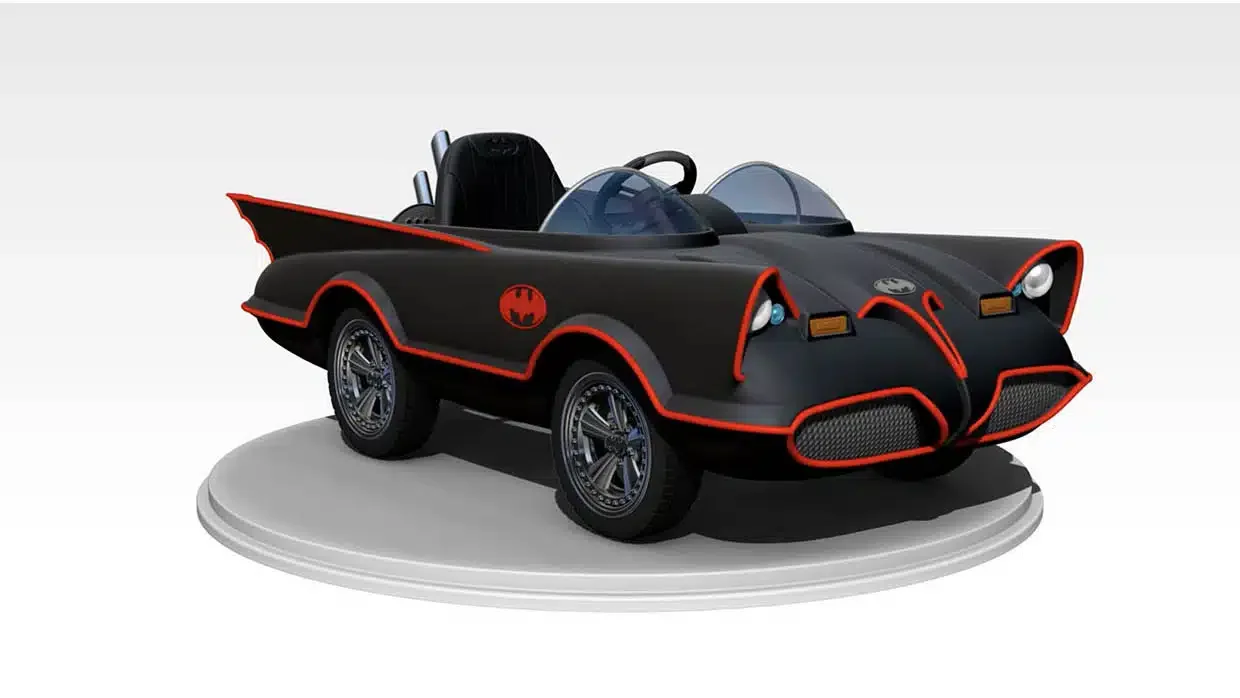
Licensing plays a pivotal role in shaping toy industry business strategies by tying products to beloved entertainment franchises. This connection helps brands resonate emotionally with children and parents alike, driving engagement and sales. Curtis Lund of Pedal Tron explains, “We tied our toys to the number one licensed properties because it piggybacks on their popularity and creates a new category of interactive toys.”
Licensed properties such as Batman for boys, Barbie for girls, and a variety of Disney characters serve not only as branding elements but as emotional touchpoints that enhance the appeal of the toys. Consumers tend to gravitate toward familiar characters, making licensing a powerful tool for differentiation in a crowded market. Licensing also facilitates storytelling, enabling companies to create immersive play experiences that extend beyond mere physical toys.

Manufacturing Innovations and Challenges in the Toy Industry
Transition from traditional pedal toys to interactive, sound-enabled models
Balancing affordability with high-value features
Patent protections and retail exclusivity as competitive advantages
Manufacturing in the toy industry has evolved from simple, static designs to sophisticated interactive models that include sound effects and licensed themes. Curtis Lund shares how Pedaltron has navigated this shift: “We have patents on our designs and exclusive retail agreements, which make it difficult for copycats to enter the market.”
Introducing features like soundtrack downloads and interactive buttons enhances the play value while maintaining the core appeal of pedal-powered control, fostering physical activity among children. Balancing these advanced features with affordability remains a critical challenge to ensure wide accessibility without compromising quality.
For a closer look at how one company is innovating in this space, you can explore the Pedal Tron Inc. approach to interactive pedal toys, which highlights the integration of technology and traditional play to meet evolving market demands.
Additionally, patent protections and securing exclusive retail partnerships provide essential defensibility in a marketplace rife with imitation. These strategies not only safeguard innovation but also solidify a company’s market position by creating barriers to entry and ensuring consumer loyalty to unique offerings.
Sustainability and Quality Control in Toy Manufacturing
Ensuring safety standards compliance
Material selection and durability considerations
Impact of manufacturing location on cost and quality
Maintaining stringent safety standards is paramount for toy manufacturers, as children’s products must meet regulatory requirements that vary regionally. Selecting durable yet safe materials directly impacts product lifespan and consumer trust. Quality control processes ensure that every toy not only meets these standards but also performs reliably during play.
Moreover, the choice of manufacturing location influences both cost and quality. While offshore manufacturing might reduce expenses, it can pose challenges in oversight and maintaining consistent standards. Companies like Pedaltron carefully weigh these factors, aiming to optimize product durability and safety without inflating costs beyond what consumers are willing to pay.
Effective PR Strategies for Toy Companies
Building brand trust through community engagement
Leveraging social media and digital PR campaigns
Utilizing influencer partnerships to reach target audiences
Public relations (PR) strategies are integral to building brand trust and driving product visibility in the toy industry. Community engagement, such as local events where children can interact with new toys outdoors, establishes authentic connections and encourages word-of-mouth promotion. According to Curtis Lund, “Our campaign focuses on showing kids having fun with our toys, encouraging parents to buy through emotional storytelling and interactive experiences.”
Additionally, social media platforms and digital campaigns have become indispensable for targeting modern parents and children. Through vibrant content and influencer partnerships, toy companies can reach broader demographics more effectively, generating higher engagement and fostering brand loyalty. These methods complement traditional advertising by showcasing real-life play experiences that resonate emotionally.

Case Study: Pedaltron’s PR and Marketing Approach
Regional test marketing before nationwide launch
Collaboration with retail giants like Walmart
Use of licensed properties to boost appeal and sales
Pedaltron’s PR strategy exemplifies best practices by initially focusing on regional test marketing to validate product appeal and fine-tune messaging. This methodical approach minimizes risk while gauging consumer response. Collaboration with major retailers enhances distribution channels and accessibility.
Leveraging licensed properties such as Batman and Barbie not only elevates the toys’ attractiveness but also ties marketing efforts to recognizable brands, thereby accelerating sales uptake. This strategic blend of careful market testing and brand alignment exemplifies a forward-thinking approach to toy brand promotion in a competitive space.
Market Trends Shaping the Future of Toys and Games
Shift towards interactive and physical activity-based toys
Growth of the 3 to 6-year-old demographic as primary toy buyers
Integration of technology with traditional play to enhance engagement
The toy industry is increasingly shaped by trends favoring interactivity and physical activity. The 3 to 6-year-old demographic represents the largest group of toy purchasers, signaling both a lucrative market and an opportunity to influence early childhood development. Curtis Lund notes, “The future of toys is interactive, blending physical activity with entertainment to keep kids engaged and healthy.”
Integrating technology — such as downloaded soundtracks and interactive features — with traditional play mechanics like pedaling creates engaging experiences that counteract sedentary habits while retaining play’s tactile joy. This fusion meets modern desires without sacrificing physical development opportunities.
Addressing the Sedentary Lifestyle Challenge
Encouraging outdoor play through innovative toy design
Benefits of pedal toys in developing coordination and muscle strength
Combating screen time with engaging physical alternatives
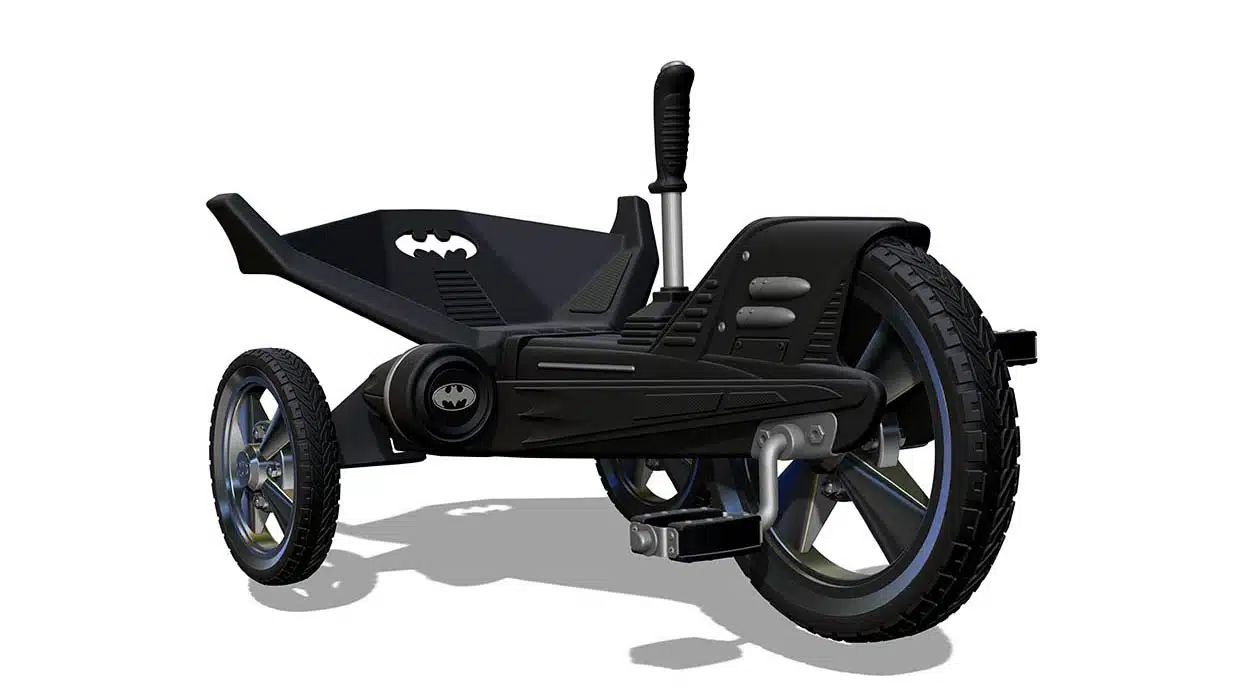
Innovative toy design plays a crucial role in encouraging children outdoors and active. Pedal toys, by requiring manual leg power, help develop coordination and strengthen muscle groups, which are vital in early physical development. Curtis Lund emphasizes this by highlighting how pedal toys provide a “riding adventure every time,” blending fun with exercise.
In a world dominated by screens and passive entertainment, such toys offer an appealing physical alternative. These designs help parents counterbalance screen time with healthy activity, allowing children to reconnect with outdoor play and social interaction in a naturally engaging way.
| Toy Type | Key Features | Target Age | Market Trend Impact |
|---|---|---|---|
| Traditional Pedal Toys | Manual pedaling, simple design | 3-6 years | Declining due to battery-powered alternatives |
| Interactive Pedal Toys | Sound effects, licensed themes | 3-6 years | Growing due to engagement and physical activity |
| Battery-Powered Toys | Electric motors, speed control | 3-10 years | Popular but less physical activity |
FAQs About Toy Industry Business Strategies
What are the most effective licensing strategies for toy companies?
The most effective strategies involve aligning toys with popular, enduring entertainment properties that resonate emotionally with children and parents, enhancing brand recognition and appeal.How do toy companies protect their products from copycats?
Companies secure patents for unique designs and features, establish exclusive retail agreements, and lock in licensing deals with studios to create market exclusivity.What role does PR play in the success of toy brands?
PR builds brand trust and awareness through storytelling, community engagement, digital marketing, and influencer partnerships that connect emotionally with the target audience.How is the toy industry adapting to changing consumer behaviors?
The industry embraces interactivity, blends physical activity with entertainment, leverages technology in product design, and adjusts marketing to digital platforms and social media trends.
Key Takeaways
Licensing popular entertainment properties is crucial for emotional connection and market success.
Innovative manufacturing with patents and retail exclusivity protects market position.
PR strategies focusing on community engagement and digital presence drive brand awareness.
The future of toys lies in combining physical activity with interactive entertainment to address sedentary lifestyles.
The Path Forward for Toy Industry Business Strategies
Toy companies must innovate by blending tradition with technology.
Strategic licensing and manufacturing decisions are key to competitive advantage.
Engaging PR campaigns and market testing ensure successful product launches.
Pedaltron exemplifies how to revitalize outdoor play and capture market share.
Curtis Lund concludes, “Our mission is to get kids outside playing again with fun, interactive toys that develop skills and create lasting memories.”
Call to Action: Reach out to Curtis at pedaltroninc@gmail.com for details on the investment opportunity.
If you’re interested in the broader vision behind these innovations and want to see how a company is shaping the future of active play, take a moment to visit the Pedal Tron Inc. website. There, you’ll discover how their mission-driven approach is inspiring a new generation of outdoor adventurers and redefining what it means to play in a digital age. Whether you’re an investor, parent, or industry professional, exploring their story can offer valuable insights into the next wave of toy industry transformation. Dive deeper to see how tradition and technology are coming together to create lasting impact for families and communities.
Sources
To deepen your understanding of effective business strategies in the toy industry, consider exploring the following resources:
“10 Tips for Effective Branding in the Toy Industry” (globaltoynews.com) offers practical advice on building a strong brand presence, emphasizing the importance of interactive customer experiences and consistent brand messaging.
“Marketing Strategies for Toy Companies (That Work Effectively!) in 2025” (callin.io) discusses innovative approaches such as leveraging augmented reality and forming strategic retail partnerships to enhance product visibility and consumer engagement.
These articles provide valuable insights into contemporary marketing and branding tactics that can help toy companies navigate the evolving market landscape.