
“On average, nearly half of all vestibular rehab patients drop off their home exercise programs, leaving clinicians uncertain and patients stuck in a fog of dizziness between visits. ” For Michael—a retired teacher with chronic vertigo—a standard approach to vestibular care meant making the trek to a clinic every few weeks. But after appointments, he found it hard to remember or complete his home exercises, and symptoms would often flare unpredictably. His therapist had no real window into what happened at home; progress stalled. Enter remote therapeutic monitoring (RTM)—a breakthrough that brings clinical eyes into the patient’s daily routine, right when it matters most.
A New Era: How Remote Therapeutic Monitoring Addresses the Gaps in Vestibular Care
“Roughly 50% of vestibular rehab patients fail to complete their home exercises consistently—leaving clinicians blind between visits, and patients struggling alone.” – Leading Neuro-Otologist
-
Limited adherence to home exercise
-
Fluctuating symptoms
-
Transportation or access challenges
-
Lack of real-time clinical feedback
-
Episodic—not continuous—therapeutic monitoring
The traditional model of vestibular rehab presents critical barriers: Many patients, like Michael, struggle to keep up with prescribed exercises due to fluctuating symptoms or logistical hurdles. Remote therapeutic monitoring addresses these gaps by enabling clinicians to track patient progress between visits, offering a clearer, data-driven view into each individual’s experience. This shift replaces static, episodic care with continuous, tailored management—empowering both patients and care providers to act proactively instead of reactively.
For clinicians seeking practical strategies to enhance patient engagement and optimize remote monitoring workflows, exploring published research and case studies can provide actionable insights. The Vertigenius published articles section features in-depth discussions on real-world RTM implementation, clinical outcomes, and best practices in digital vestibular care.
What You’ll Learn from This Guide to Remote Therapeutic Monitoring
-
What remote therapeutic monitoring means in rehab care
-
How RTM specifically empowers vestibular clinicians and patients
-
The role of Vertigenius in remote therapeutic monitoring and data-driven dizziness management
-
Real-world results, workflow, and opportunities
-
Future trends in therapeutic monitoring in vestibular care
Remote Therapeutic Monitoring Explained: Foundations and Key Concepts
What Is Remote Therapeutic Monitoring?
-
Definition of remote therapeutic monitoring and contrast with remote patient monitoring
-
Collection and review of non-face-to-face physiological data
-
Emphasis on therapeutic (not just vital sign) parameters
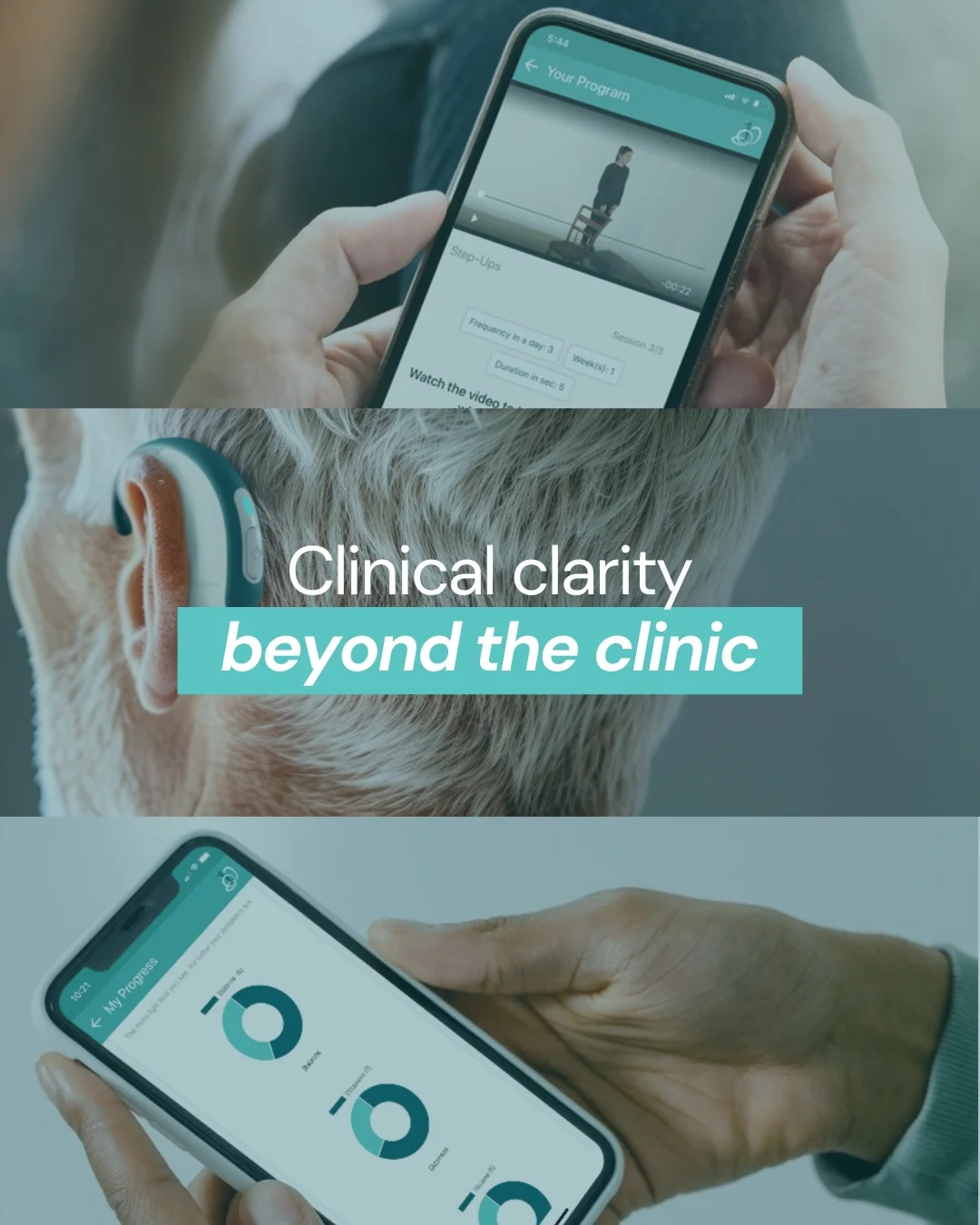

Remote therapeutic monitoring (RTM) refers to the use of digital tools and medical devices to continuously collect, transmit, and review therapy-specific data outside of clinic visits. Unlike remote patient monitoring, which typically tracks vital signs like heart rate or blood pressure, RTM focuses on measurements that are directly tied to therapy—such as head movement, adherence to balance exercises, and symptom responses in vestibular rehab. This approach elevates the care plan from guesswork to objective, evidence-based practice, offering care professionals real-time insight into each patient’s progress. Data collected through RTM form the new backbone of personalized, effective treatment management services.
With remote therapeutic monitoring, clinicians have access to non-face-to-face physiological data—enabling more timely clinical decisions and greater transparency between patient and professional. Advances in sensors, mobile apps, and secure data transmission ensure that this technological leap is safe, scalable, and designed to meet both healthcare and insurance standards for documentation and reimbursement.
The Evolution of Therapeutic Monitoring in Vestibular Rehab
-
The shift from episodic clinic visits to continuous remote therapeutic monitoring
-
How technology bridges the gap for vestibular patients
-
Impact of remote therapeutic monitoring on clinical outcomes
Decades ago, vestibular rehab relied on brief, hands-on appointments spaced weeks apart, with progress dependent on patient recall and subjective symptom reports. Today, the integration of therapeutic monitoring platforms closes the “visibility gap” between visits, empowering clinicians to continuously review their patients’ engagement, exercise quality, and symptom variation. Early interventions are triggered by real-world data rather than waiting for a scheduled appointment, which means that therapy response is more immediate and aligned with patient needs.
Remote therapeutic monitoring supports the daily management of complex vestibular symptoms. High-tech tools now allow for seamless sharing of physiological data (like head movement and balance scores), as well as rapid adjustment to care plans based on system status and adherence trends. With these advances, the future of vestibular rehabilitation is moving toward continuous, data-driven partnership between clinicians and patients.
Why Vestibular Rehab Needs Remote Therapeutic Monitoring
-
Exercise-heavy protocols and drop-off rates
-
Daily fluctuations in vestibular symptoms
-
Home safety concerns
-
Transportation and mobility issues
-
Importance of continuous therapeutic monitoring for dizziness management
| Clinic Visits Only | With Remote Therapeutic Monitoring | |
|---|---|---|
| Home Exercise Adherence | Tracking by patient report only | Objective tracking via RTM platform |
| Symptom Fluctuations | Retrospective recall | Real-time symptom trending |
| Clinical Interventions | Reactive, between visits | Proactive, day-to-day insights |

Vestibular rehab is uniquely suited for remote therapeutic monitoring because it depends on daily exercise—a standard where adherence often plummets due to lack of accountability, fluctuating symptoms, or accessibility issues. Traditional in-clinic approaches mean that valuable intervention opportunities are missed between visits, and clinicians rely heavily on “memory-based” feedback rather than objective data. RTM platform tools resolve this by collecting actionable, real-time information on exercise execution and symptom exacerbations, transforming both the quality of care and the overall patient experience.
By integrating objective physiological data into daily practice, RTM also addresses major barriers like safety and accessibility—patients don’t have to travel for every check-in or risk balancing alone without oversight. Clinical interventions can be made quickly if symptom trending indicates trouble, keeping vestibular therapy both safer and more effective for every individual.
The Vertigenius Approach: Remote Therapeutic Monitoring in Action
How Vertigenius Implements RTM for Vestibular Patients
-
Clinician portal for prescription
-
Patient app with exercise guidance
-
Sensor-enabled head movement tracking
-
Integrated telehealth workflows
-
Secure collection and sharing of physiological data
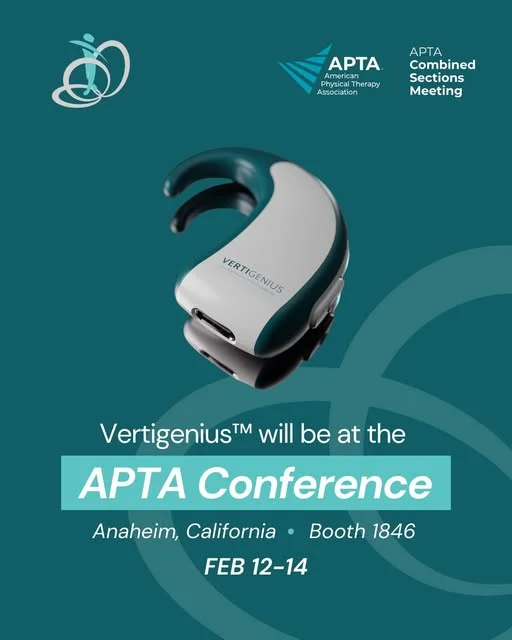
Vertigenius exemplifies how remote therapeutic monitoring turns digital theory into everyday practice for both clinicians and patients. Through a secure clinician portal, care providers create and update individualized care plans, assigning specific home exercises tailored to each patient’s condition. Patients receive clear, step-by-step guidance through the Vertigenius patient app, which pairs with sensor-enabled headbands or wearable medical devices capable of tracking head movement, speed, and direction in real-time.
This digital health ecosystem ensures that both adherence (“Did the patient complete their exercises?”) and movement quality (“Was the right technique used?”) are objectively measured and logged. Physiological data is transmitted securely to clinicians, supporting real-time adjustment of the therapy response and ensuring each patient receives precision care—even between scheduled visits.
Remote Therapeutic Monitoring Workflow: What Clinicians and Patients Experience
-
Therapist prescribes a digitally enabled, home-based program
-
Patient completes exercises while data (adherence, head speed, symptom responses) is logged
-
Clinician reviews real-time physiological data and symptom trends
-
Programs updated and interventions triggered based on data
“Now I know when my patient is having a rough day—I can adjust their plan that same afternoon instead of waiting weeks for the next visit.” – Vestibular Physical Therapist using Vertigenius RTM
The Vertigenius workflow is a leap beyond written handouts. When a clinician prescribes a new home-based program, the patient’s activities are automatically monitored using wearable sensors and the Vertigenius app. This data—covering adherence, detailed head movement patterns, and real-time symptom responses—is securely streamed to the care provider for ongoing review. If a patient struggles through a rough patch or fails to reach a therapeutic milestone, the clinician can rapidly intervene by updating the care plan or reaching out for a digital check-in. With RTM, the loop between patient report and professional action becomes virtually instantaneous.
This model transforms conventional treatment management by empowering clinicians to deliver highly individualized care, backed by real-world performance data. Patients experience greater accountability and support, while therapists gain the decision-making edge—seeing problems as they arise, not weeks later.
The Data Advantage: How Remote Therapeutic Monitoring Improves Patient Outcomes
From Adherence to Intervention: Data Streams and Decision-Making
-
Monitoring head movement quality and adherence
-
Detecting early symptom exacerbations
-
Enabling timely treatment management
-
Supporting insurance documentation and CPT code compliance for RTM services
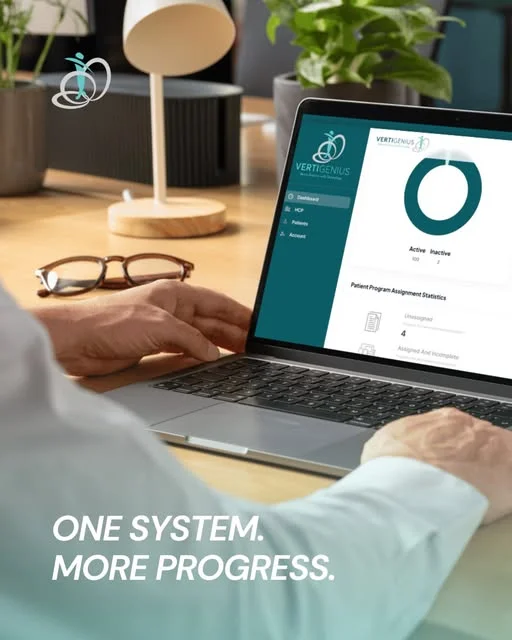
The greatest power of remote therapeutic monitoring lies in its data streams—rich flows of objective feedback on exercise completion, head movement, symptom severity, and therapy response. Instead of reacting to secondhand reports, clinicians now see exactly how a patient is progressing, allowing for earlier and more precise adjustments to the care plan. By spotting deteriorations in adherence, sudden symptom spikes, or steady improvement, treatment management changes from episodic guesses to evidence-driven precision.
This objective physiological data also plays a critical role in supporting insurance and reimbursement through RTM-specific cpt codes such as 98975, 98976, and 98977. Precise, logged data satisfies compliance requirements and enables care providers to demonstrate value and necessity—helping patients gain access to the newest digital health services, while keeping audit risks low. These advantages position Vertigenius and similar RTM platforms at the forefront of value-based, measurable vestibular care.
Remote Therapeutic Monitoring and Clinical Validation
-
Emerging evidence and clinical studies supporting RTM for vestibular rehab
-
Real-world results: Reductions in drop-offs, faster progressions, improved patient-reported outcomes
“It felt like my therapist was with me even between visits. I stuck with my program more—and my dizziness steadily improved.” – Vestibular Rehab Patient

A growing body of clinical literature documents the positive impact of RTM—including reductions in exercise drop-off rates, more rapid progressions through rehab milestones, and better patient-reported outcomes. Studies show that when patients know their efforts are being tracked—and when they can communicate their struggles between appointments—they adhere better and see greater results.
Remote monitoring tools like Vertigenius are regularly cited for their role in making dizziness management proactive rather than reactive, addressing fluctuation in symptoms before they spiral. By enabling timely touchpoints and actionable feedback, these digital health innovations are setting a new gold standard for the medical device-assisted management of dizzy and balance-impaired patients.
Remote Therapeutic Monitoring in Practice: Billing, Compliance, and Reimbursement
CPT Codes for Remote Therapeutic Monitoring
-
Overview of relevant CPT codes for RTM: 98975, 98976, 98977, 98980, 98981
-
Clinical documentation requirements for therapeutic monitoring reimbursement
-
How Vertigenius supports audit-ready, compliant RTM service delivery
CPT codes such as 98975–98981 offer clear pathways for RTM reimbursement. These codes cover device supply, initial program setup, and ongoing data analysis and treatment management by qualified health care professionals. To be reimbursed, payers (including private insurers and the Centers for Medicare & Medicaid Services) require transparent documentation of physiological data, care plan modifications, and communication with the patient. Vertigenius automates much of this process, logging engagement, outcomes, and intervention timestamps, ensuring care providers remain compliant, audit-ready, and eligible for appropriate coverage.
Most practices find that compliance requirements—such as regular data review, adjustment based on data collected, and secure data transmission—are streamlined by digital platforms that integrate seamlessly into existing workflows. This reduces the administrative burden and ensures consistent RTM service delivery that meets insurance and medical device guidelines.
Navigating Insurance and Coverage: Common Questions on Remote Therapeutic Monitoring
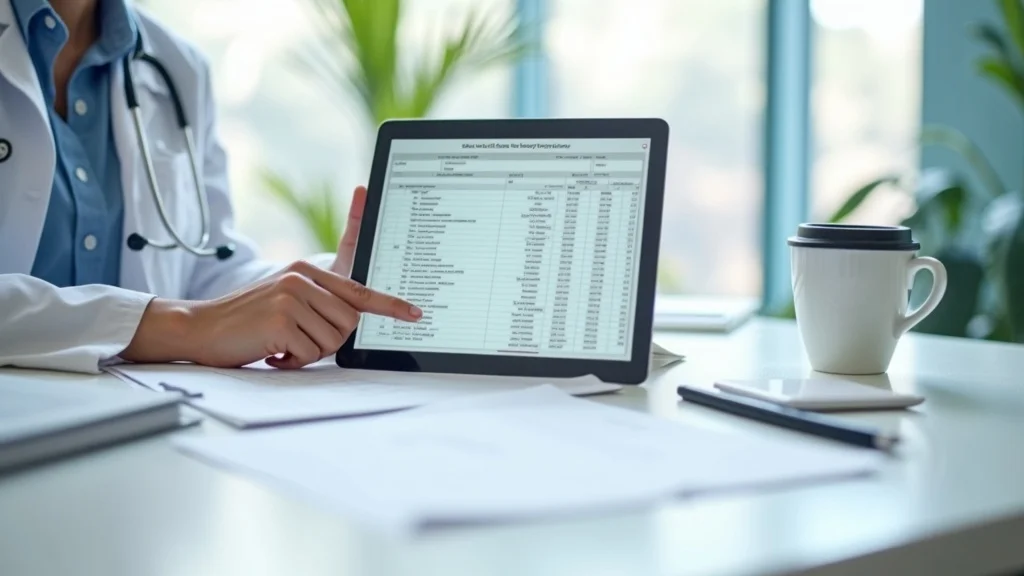
Navigating RTM coverage can be complex: Many public and private insurers—including Medicare—now support RTM services under the new cpt codes, but requirements may vary across regions and plans. Key considerations include ensuring services are provided by qualified health care professionals, using compliant digital health medical devices, and documenting every step of the care process.
For providers, it’s crucial to stay up-to-date on evolving RTM reimbursement rules and to verify patient eligibility each calendar month. Tools like Vertigenius help ensure that every point of data—adherence, physiological performance, symptom tracking—is accounted for, from system status updates to guideline-directed modifications of the therapy response.
People Also Ask: Remote Therapeutic Monitoring and Vestibular Rehab
Does Medicare pay for remote therapeutic monitoring?
Yes, Medicare recognizes multiple CPT codes (such as 98975–98981) for remote therapeutic monitoring of musculoskeletal and respiratory system conditions. These codes support payment for device setup, data collection, review, and interactive communication with the patient by qualified healthcare professionals. Coverage may depend on meeting clinical documentation and device use requirements as outlined by the Centers for Medicare & Medicaid Services.
Is remote therapeutic monitoring covered by insurance?
Most major insurers, including Medicare and Medicaid services, now offer RTM benefits for qualifying conditions, reimbursing for both device fees and professional review time. However, individual policies may require specific documentation or use of approved medical devices, so verification with the health plan is recommended before initiating RTM services.
What are examples of remote patient monitoring?
Remote patient monitoring often includes digital tracking of blood pressure, heart rate, or blood glucose—typically for chronic medical conditions. In contrast, remote therapeutic monitoring measures therapy-specific metrics (like head movement data or therapy adherence) that inform real-time treatment management, especially in rehab settings like vestibular care.
What does RTM mean in physical therapy?
In the context of physical therapy, RTM means the remote digital collection and review of data related to exercises, progress, and response to therapy. Therapeutic monitoring in PT often involves wearable sensors, patient-reported symptom scales, and clinician access to objective, day-to-day activity as part of the overall care plan.
Watch: How Vertigenius enables seamless remote therapeutic monitoring for vestibular rehab—take a closer look at how digital prescription, at-home usage, and real-time clinician insights come together to improve care. (Engaging explainer animation illustrating Vertigenius RTM workflow)
Future Trends: The Evolution of Remote Therapeutic Monitoring in Vestibular Care
-
AI-supported decision tools for clinicians
-
Integration of remote therapeutic monitoring data with EMR and vestibular-specific tests
-
More granular and objective physiological data capture
-
Expanded RTM services and digital health reimbursement models
Looking ahead, the landscape of remote therapeutic monitoring is poised for rapid evolution. AI-driven decision support tools will help clinicians predict symptom trends and automate evidence-based adjustments to care. Data from RTM platforms will increasingly integrate with electronic medical records (EMRs) and vestibular-specific diagnostic tools, creating a seamless ecosystem for managed care. Enhanced sensor technology will allow for more detailed physiological measurements—enriching both clinical outcomes and insurance documentation. Lastly, evolving reimbursement frameworks will broaden patient access to RTM services, cementing RTM’s role as an essential standard of practice for vestibular care professionals everywhere.
Key Takeaways: Remote Therapeutic Monitoring for Vestibular Patients
-
Remote therapeutic monitoring closes the gap between clinic visits
-
Objective data transforms both care and reimbursement
-
Vertigenius powers real-world, data-driven management
-
The role of the “visit”—and vestibular progress tracking—is being redefined
Remote Therapeutic Monitoring for Vestibular Rehab: Frequently Asked Questions
-
How do clinicians implement remote therapeutic monitoring in vestibular rehab? – By using RTM platforms like Vertigenius, clinicians can prescribe sensor-enabled home exercise programs, monitor adherence and symptom trends, and adjust care remotely as needed, all while meeting billing and documentation requirements.
-
Which platforms are compliant with RTM CPT codes? – Platforms like Vertigenius are specifically designed for CPT-compliant RTM service delivery to ensure secure data collection, transmission, and reporting.
-
What patient tech literacy is required to use Vertigenius? – Most patients find the Vertigenius app and wearables easy to use after brief initial guidance; ongoing tech support is available for those unfamiliar with digital health tools.
-
How to document RTM service provision and outcomes? – Documentation should include dates and details for the initial setup, data monitoring periods, communication with the patient, and response to trends, in line with CPT code requirements for reimbursement.
Learn More About Vertigenius and Remote Therapeutic Monitoring
To explore how Vertigenius transforms vestibular rehab through cutting-edge remote therapeutic monitoring—and to help your patients progress with confidence—visit Vertigenius. com for solutions.
RTM is redefining vestibular care, equipping clinicians with data, patients with daily support, and health systems with a new gold standard for dizziness management—backed by the practical results of Vertigenius.
If you’re interested in expanding your understanding of digital health’s impact on vestibular care, there’s a wealth of expert perspectives and peer-reviewed research available. The Vertigenius published articles library offers a curated collection of thought leadership, clinical studies, and strategic insights into the evolving landscape of remote monitoring and rehabilitation. Whether you’re a clinician, administrator, or patient advocate, these resources can help you stay ahead of trends, discover innovative approaches, and unlock new opportunities for improving dizziness management and patient outcomes. Dive deeper to see how the future of vestibular rehab is being shaped by technology, evidence, and collaboration.
Sources
-
Centers for Medicare & Medicaid Services – RTM CPT Codes FAQ
-
APTA: What Physical Therapists Should Know About Remote Therapeutic Monitoring
-
Gamified Vestibular Rehabilitation: Recent Advances and Clinical Outcomes
To further explore the concept of remote therapeutic monitoring (RTM) and its applications in vestibular rehabilitation, consider the following authoritative resources: “Remote Therapeutic Monitoring | Johns Hopkins Physical Medicine and Rehabilitation”: This resource provides an in-depth look at how RTM is implemented to support patients with musculoskeletal conditions, offering insights into its benefits and operational framework. (hopkinsmedicine. org) “Remote Therapeutic Monitoring | Medbridge”: This platform details how RTM can be seamlessly integrated into existing clinical workflows, enhancing patient engagement and facilitating efficient billing processes. (medbridge. com) These resources offer comprehensive information on RTM’s role in modern rehabilitation practices, providing valuable perspectives for both clinicians and patients.