
Solo-Step News
Did you know that fear of falling during rehabilitation significantly hampers patient progress and clinician effectiveness? This invisible barrier not only limits patient recovery but also stretches already thin therapy resources. The Solo-Step Overhead Track fall protection system emerges as a game-changing solution to this widespread challenge, offering a low-tech yet profoundly impactful approach to safely advancing rehab therapy.
At the forefront of rehabilitation innovation, Solo-Step effectively addresses critical themes surfaced at the 2026 APTA Combined Sections Meeting: fall prevention as a liability priority, enhancing therapist efficiency amid staffing shortages, and enabling earlier, more confident patient mobility. This article delves deep into how Solo-Step transforms patient care by removing the “fear of falling,” ultimately empowering therapists and patients alike.
Startling Facts Highlighting the Need for Effective Fall Protection in Rehabilitation
Falls remain one of the most pressing risks in rehabilitation settings, often representing a clinical and legal liability nightmare. With increasing pressure to maximize patient outcomes while managing dwindling staffing levels, clinicians face immense challenges in delivering safe, effective therapy. According to recent discussions at the APTA 2026 conference, fall prevention not only saves lives but also significantly reduces costly litigation and rehospitalization rates.
Amid these concerns, therapists are seeking solutions that ensure patients can be pushed to new functional limits without compromising safety. The Solo-Step fall protection system answers this urgent need by creating a controlled environment that eliminates the fear of falling—literally providing an overhead safety “ceiling. ” This innovation frees patients to engage in dynamic, real-world movements during rehab, such as pivoting and stepping over obstacles, critical for neuro, orthopedic, and pediatric recovery programs.
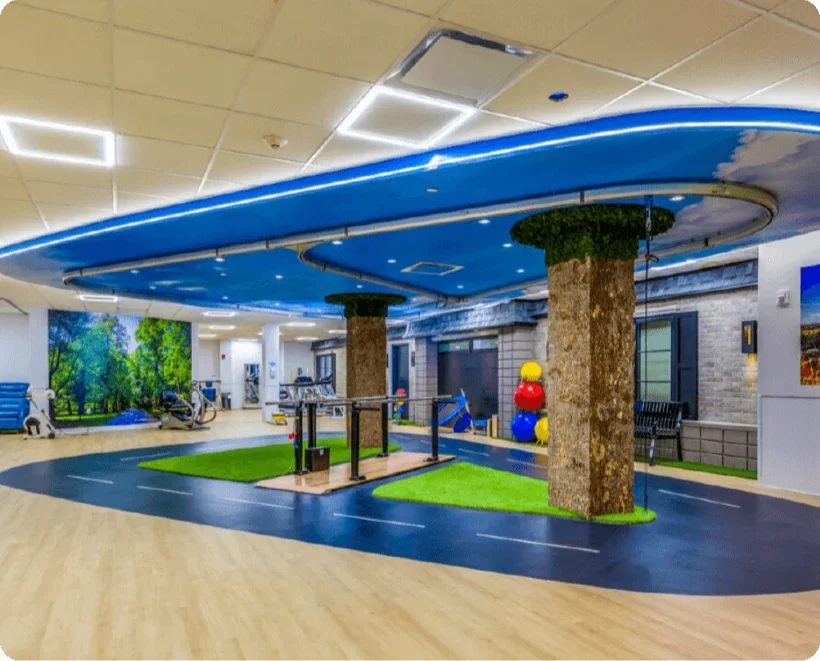
Overview of the Solo-Step Fall Protection System and Its Role in Modern Rehab
-
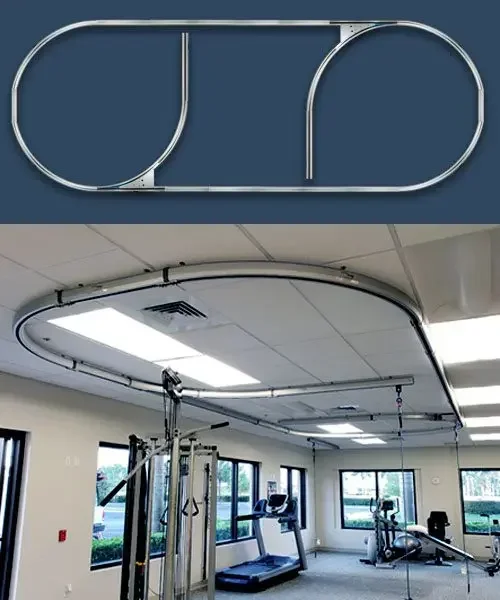
True overhead fall protection with a mounted track system
-
Continuous hands-free mobility along an overhead track
-
No motors or electronics, ensuring simplicity and durability
-
Versatility across neuro, orthopedic, pediatric, and sports rehab
The Solo-Step fall protection system revolutionizes rehab environments by installing a mounted overhead track that provides continuous, hands-free patient support. Unlike many motorized or treadmill-based systems, Solo-Step’s design prioritizes safety with a simple, rugged, and maintenance-light engineering philosophy. Its non-motorized construction means it operates silently with no electronics to troubleshoot, delivering unmatched durability for high-use clinical environments.
Because of its clinical versatility, the system fits into diverse physical therapy settings—from acute neuro rehab to sports injury recovery clinics—offering therapists the confidence to push aggressive treatment plans earlier than ever before. By reducing the need for multiple staff to support patients physically, Solo-Step also alleviates therapist burnout and workload, a critical factor given the current staffing shortages in rehab care.
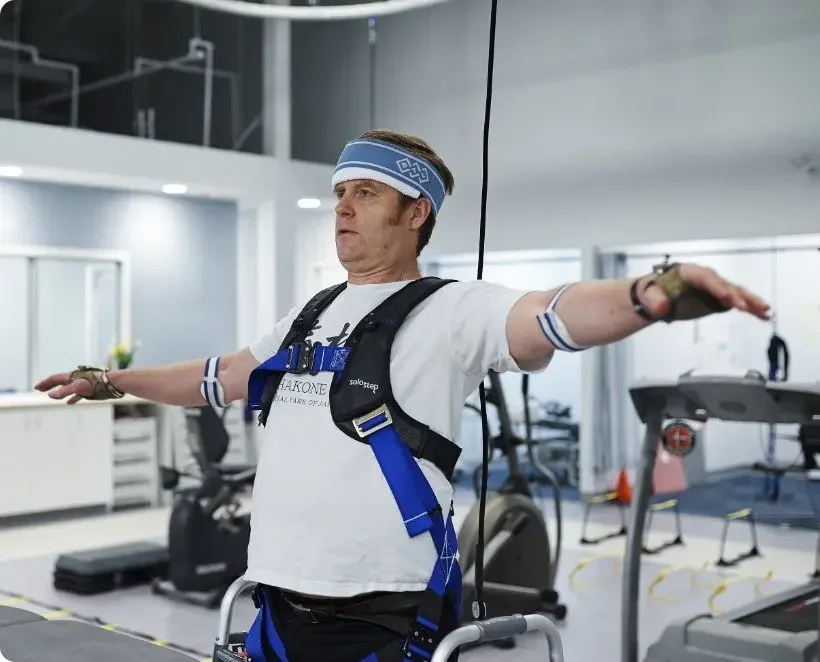
For a closer look at how Solo-Step is making a tangible difference in real-world settings, you can explore the experience of Miller Rehabilitation at Sojourn, where the system has been integrated to enhance both patient safety and therapist workflow. Their story provides practical insights into the day-to-day benefits and implementation strategies of overhead fall protection in a busy rehabilitation environment. Learn more about Miller Rehabilitation’s use of Solo-Step.
Key Features and Benefits of the Solo-Step Overhead Track System
-
Low maintenance and high durability design
-
Supports dynamic, real-world movement including pivoting and obstacle navigation
-
Reduces therapist strain by enabling hands-free patient support
One of the signature advantages of the Solo-Step fall protection system is its cost-effectiveness paired with robust functionality. Facilities ranging from small private clinics to large hospitals benefit from straightforward installation and an overhead track that requires minimal upkeep, ensuring long-term value without hidden expenses.
Jacob Cleland of Solo-Step states, “Our system allows therapists to advance treatment earlier and more aggressively, creating a safer environment where patients can push their limits without fear of falling. ” This hands-free design empowers therapists to focus fully on patient progress rather than physical support, which significantly increases treatment efficiency and safety. By supporting natural movement patterns, patients gain confidence and independence faster, essential for meaningful rehab outcomes.
Comparison with Other Fall Protection and Gait Training Systems
Compared to traditional motorized body-weight support or treadmill-based systems, the Solo-Step fall protection system offers a unique blend of untethered mobility and genuine fall prevention. While many alternatives involve cumbersome electronic components that demand expensive maintenance and restrict movement to linear patterns, Solo-Step’s continuous overhead track allows multi-directional training, including pivoting and obstacle navigation.
This distinction makes Solo-Step highly suitable for dynamic neuro and orthopedic rehabilitation where real-world functional tasks must be mastered. Patients are not limited by cables or forced to use treadmills, which can stifle natural gait and balance responses. Ultimately, the system’s simplicity translates to more therapy time, less technical downtime, and greater patient engagement.
Real-World Impact: Clinical Success Stories Using the Solo-Step Harness System
One of the most inspiring clinical success stories comes from Justin Kube, a patient at Madonna Rehabilitation Hospitals recovering from a severe traumatic brain injury. Initially unable to sit or walk independently, Justin’s therapy team utilized the solo-step fall protection system to safely challenge his balance and gait. The system’s hands-free support enabled Justin to stumble and recover without fear, accelerating his neuroplasticity and functional recovery.
Clinicians reported that “using Solo-Step enabled hands-off challenge during gait training, allowing patients to stumble and recover safely, which accelerated functional progress. ” This marks a paradigm shift in rehab strategy—embracing controlled risk-taking as a pathway to faster healing and enhanced patient confidence.
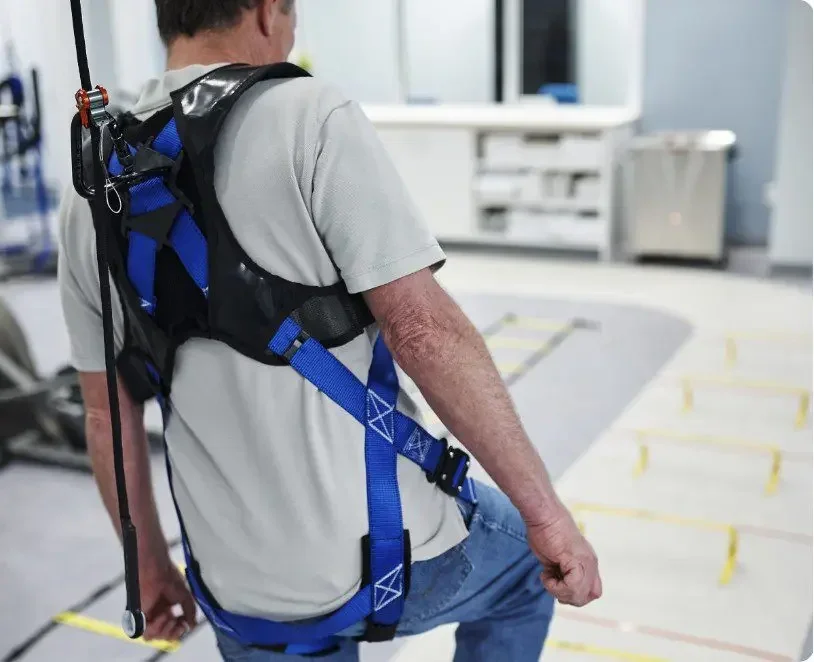
Feedback from Clinicians and Rehabilitation Facilities on Solo-Step
-
Clinicians appreciate reduced physical strain during high-level balance training
-
Patients feel more confident attempting challenging tasks
-
Administrators prioritize equipment that enhances safety and efficiency
Feedback from therapists and rehab administrators consistently highlights the solo-step fall protection system as an essential upgrade to their balance and gait training programs. Clinicians emphasize how the overhead track alleviates physical strain, allowing fewer staff members to manage more patients effectively. Patients show greater willingness to engage in challenging therapy tasks knowing they are securely protected against falls.
Facility managers value Solo-Step’s cost benefits and durability, seeing it as a strategic investment in patient safety and operational efficiency. This alignment of clinical and administrative interests underscores Solo-Step’s rising reputation within the rehab community as both a clinical and business asset.
Educational and Research Initiatives Supporting Solo-Step’s Clinical Use
Solo-Step’s 2026 vision prioritizes evidence-based validation and education. Expanding its clinical research partnerships, the company is developing comprehensive exercise libraries and digital case study resources to empower rehab professionals with actionable, science-backed tools. These efforts aim not just to supply equipment but to become an integral clinical ecosystem for safe patient mobility training.
Workshops, webinars, and collaborative research projects are underway to deepen understanding of reactive balance training and fall prevention benefits unique to the Solo-Step system. As Jacob Cleland explains, “Our continued focus on growing research and educational resources will help clinicians confidently integrate Solo-Step into diverse therapy programs. ”
Upcoming Innovations and Goals for 2026
-
Enhanced digital content and case study sharing
-
Broader awareness campaigns targeting rehab professionals
-
Continued focus on safety and patient confidence
Looking ahead, Solo-Step aims to amplify its impact by expanding digital clinical content and increasing outreach among healthcare providers in acute care and emerging rehab markets. This growth will foster wider adoption of the system’s safety-first philosophy and reinforce its role as a “force multiplier”—helping therapists do more with less burnout and risk.
Frequently Asked Questions About the Solo-Step Fall Protection System
-
What makes the Solo-Step fall protection system different from other harness systems?
The system uses a non-motorized overhead track designed specifically for true fall prevention without restricting natural patient movement. -
How does the overhead track system improve patient mobility?
It enables continuous, hands-free support allowing multi-directional movement including pivoting and obstacle negotiation. -
Is the system suitable for all types of rehabilitation?
Yes, it is versatile for neuro, orthopedic, pediatric, and sports rehab applications. -
What are the installation requirements and costs?
Installation is affordable for private practices and large hospitals, with a professional team traveling nationwide to ensure safe setup. -
How does Solo-Step support therapist efficiency?
By reducing the need for manual patient support, therapists can focus more on treatment progression and less on physically preventing falls.
Key Takeaways: Why Choose the Solo-Step Fall Protection System for Your Facility
| Feature | Benefit | Impact |
|---|---|---|
| True Overhead Fall Protection | Ensures patient safety during dynamic movement | Reduces fall risk and liability |
| Hands-Free Mobility | Allows therapists to focus on treatment | Improves therapy efficiency |
| No Motors or Electronics | Simplifies maintenance | Enhances system reliability |
| Versatile Clinical Use | Applicable across multiple rehab disciplines | Supports diverse patient needs |
Elevate Rehabilitation Outcomes with Solo-Step
Adopt the Solo-Step fall protection system today to create safer, more effective therapy environments where patients can regain mobility confidently and therapists can work efficiently without compromise.
If you’re interested in exploring broader strategies for integrating fall protection into your rehabilitation facility, consider how other organizations are leveraging Solo-Step to drive innovation and improve patient outcomes. By learning from the experiences of leading rehab centers, you can uncover advanced approaches to safety, efficiency, and patient engagement that go beyond equipment alone. Discover how facilities like Miller Rehabilitation at Sojourn are setting new standards in rehabilitation by visiting their story here.
Request More Information and Pricing
Discover how Solo-Step can transform your rehabilitation practice.
Sources
The Solo-Step Fall Protection System is a pivotal innovation in rehabilitation, offering a secure environment that empowers patients to engage in therapy without the fear of falling. This overhead track and harness system is designed to enhance patient confidence and facilitate dynamic movement during rehabilitation sessions. For a comprehensive understanding of the system’s features and benefits, the official Solo-Step website provides detailed information on its applications across various rehabilitation settings. (solostep. com) Additionally, Greendale Physical Therapy offers insights into the practical implementation of the Solo-Step Harness System, highlighting its role in rebuilding patient confidence and restoring independence through safe and effective therapy sessions. (greendalept. com) If you’re serious about enhancing patient safety and therapy outcomes, these resources will provide valuable information on integrating the Solo-Step Fall Protection System into your rehabilitation practice.