
Vertigenius News: Did you know that over 35% of adults aged 40 and above experience dizziness or balance disorders, yet many of these conditions remain poorly assessed and treated? This startling reality underscores the urgent need for innovation in how vestibular rehabilitation is delivered. At the APTA Combined Sections Meeting (CSM) in Anaheim, clinicians will witness how cutting-edge solutions like those from Vertigenius are reshaping the future of vestibular rehabilitation. By combining medical-grade wearable sensors with digital health platforms, the traditionally subjective process of treating dizziness and imbalance is evolving into a precise, scalable, and patient-centered clinical discipline.
Startling Trends Shaping the Future of Vestibular Rehabilitation
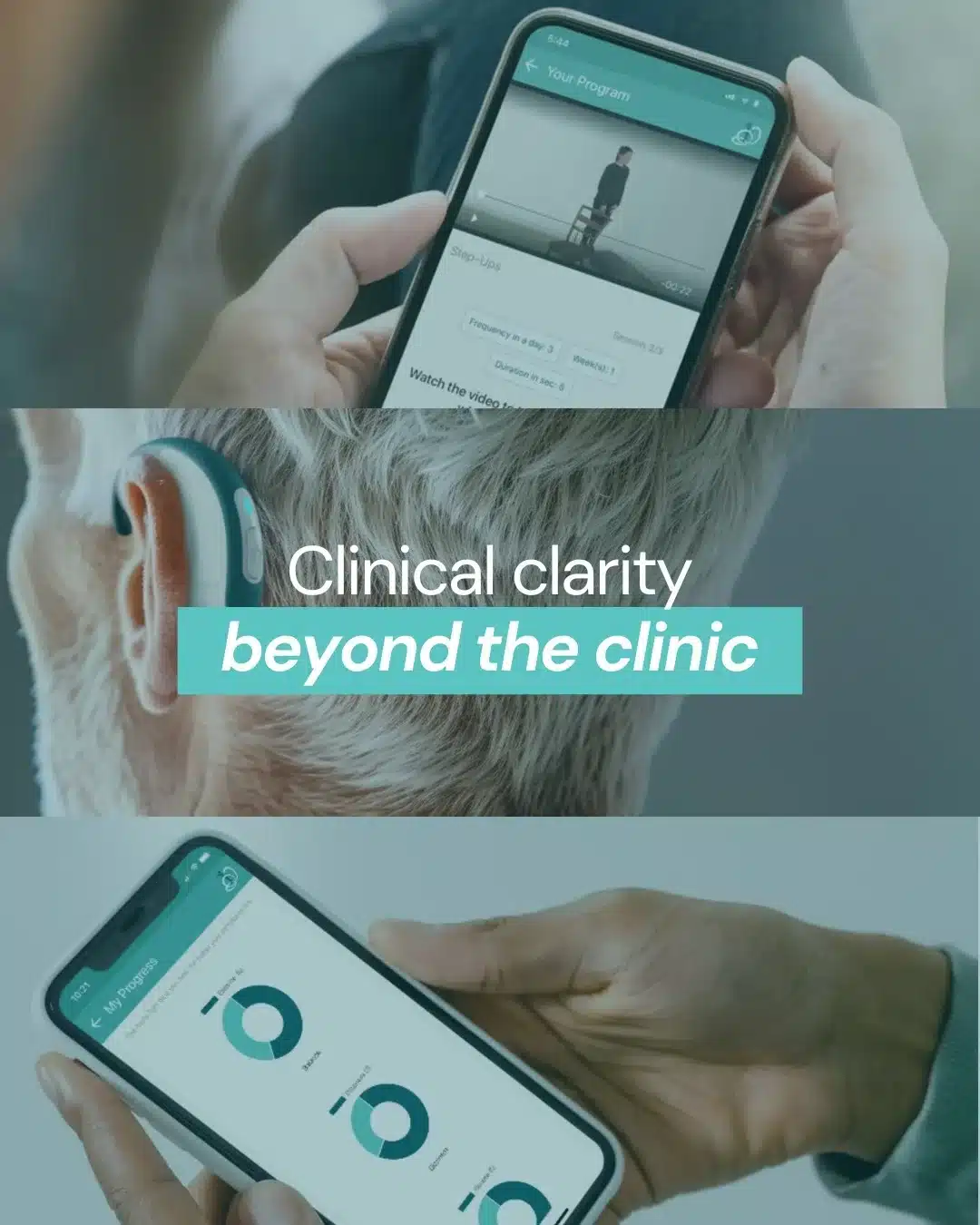
The future of vestibular rehabilitation is being driven by several compelling trends. First, the growing prevalence of vestibular disorders such as vertigo and chronic dizziness demands innovative approaches to care delivery. Traditional vestibular therapy relies heavily on subjective patient feedback, limited clinical time, and physical visits—constraints that are increasingly untenable in today’s healthcare environment.
Adding to this challenge is the nationwide shortage of vestibular specialists, causing bottlenecks in patient access and protracting recovery timelines. Physical therapists and clinics are seeking methods that enhance efficiency without sacrificing treatment quality. The hybrid care model, combining remote management with in-person therapy, is rapidly becoming a mainstay in physical rehabilitation. Patrick Schoeman, Chief Commercial Officer at Vertigenius, emphasizes this shift, stating, “We turn the purely subjective ‘How do you feel?’ conversations into objective ‘This is the relationship between what you did with your head and how it made you feel’ results. ” This paradigm shift enables clinicians to deliver data-driven care that bridges clinical expertise with patient engagement outside the clinic.
For clinicians interested in the practicalities of measuring patient progress, exploring effective strategies for tracking progress in vestibular rehabilitation can provide actionable insights into leveraging objective data for better outcomes. Integrating these tracking methods with digital platforms further supports a more personalized and responsive approach to therapy.
Overview of Vestibular Rehabilitation and Its Current Challenges
The Role of Vestibular Therapy in Physical Rehabilitation
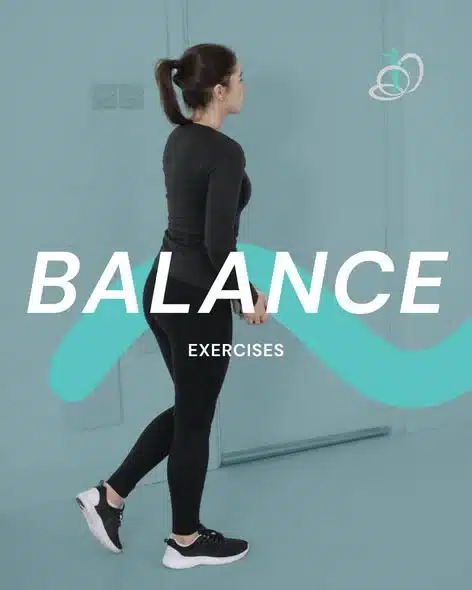
Vestibular rehabilitation plays a crucial role in restoring balance and reducing dizziness in patients affected by vestibular dysfunction. The therapy involves tailored exercises designed to retrain the brain’s processing of balance signals, mitigating symptoms caused by inner ear or neurological disorders. While effective, these programs demand consistent adherence and precise execution to yield lasting results.
However, current vestibular rehabilitation faces hurdles that limit its impact. Chief among these is the reliance on subjective symptom reporting by patients, often leading to inconsistent feedback and unclear treatment progression. Patients may struggle with motivation or proper execution of exercises at home, which can undermine therapeutic outcomes. Moreover, the requirement for frequent in-clinic visits imposes logistical and financial burdens, especially for patients in remote or underserved areas.
Innovations Driving the Future Directions of Vestibular Rehabilitation
Patrick Schoeman, of Vertigenius, states, “We turn the purely subjective ‘How do you feel?’ conversations into objective ‘This is the relationship between what you did with your head and how it made you feel’ results.”
Medical-Grade Wearables: Transforming Vestibular Therapy

One of the most significant innovations shaping the future of vestibular rehabilitation is the advent of medical-grade wearable devices. Vertigenius has pioneered a Class 2A FDA-registered head sensor that provides real-time monitoring of head movements during vestibular exercises. Unlike traditional tools or paper handouts, this wearable sensor delivers objective data, allowing clinicians to precisely understand and measure the patient’s performance and symptom correlation.
This technology empowers clinicians to move beyond guesswork and enriches patient feedback by providing immediate corrective cues and accurate adherence tracking. Patrick Schoeman remarks, “Our wearable head sensor enables clinicians and patients to quantify progress objectively, making rehabilitation more transparent, efficient, and personalized. ” This transformation not only improves treatment accuracy but also enhances patient confidence and engagement by demystifying the rehabilitation process.
Digital Health Solutions Enhancing Patient Adherence and Remote Accessibility
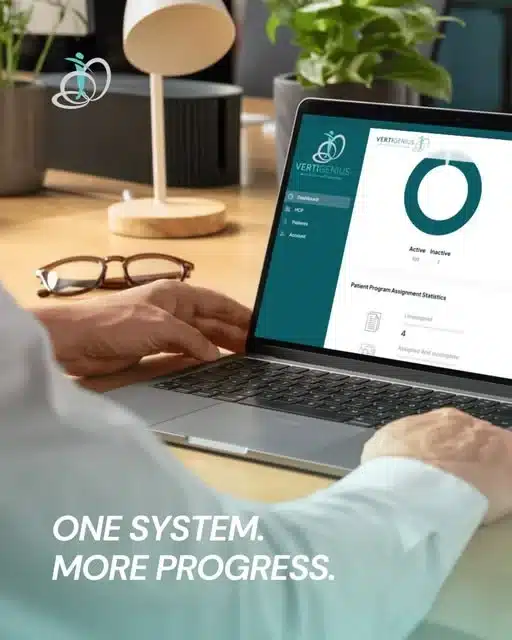
Coupled with the wearable sensor is Vertigenius’ comprehensive digital health platform, including a patient app and a clinician portal. The patient app offers personalized video-guided exercise programs and symptom reporting, facilitating higher adherence through engaging and accessible content. Remote data capture allows therapists to monitor adherence and symptom progression remotely, minimizing the need for frequent office visits.
This integration caters perfectly to the needs of patients who struggle with the invisible and fluctuating nature of vestibular disorders. By providing continuous feedback and support remotely, the platform enhances patient autonomy and ensures the consistent application of rehabilitation protocols. Consequently, therapists can optimize treatment plans and intervene early when deviations occur, resulting in better clinical outcomes and streamlined workflows.
Addressing Healthcare Challenges with Hybrid Care Models
Patrick Schoeman highlights, “By using our Head Sensor and objective data insights, clinicians can manage larger caseloads while providing more personalized care.”
The future of vestibular rehabilitation is inevitably linked to hybrid care models that merge in-person assessment with remote therapy components. This approach addresses pressing healthcare system challenges, including workforce shortages and the demand for value-based care. Through hybrid models enabled by wearable sensor technology and digital platforms, up to 65% of vestibular rehabilitation can now be conducted remotely. This significantly reduces clinic bottlenecks and expands access without compromising quality.
Clinicians benefit by gaining the capability to monitor and adjust therapy programs dynamically from afar, freeing clinical resources and enhancing scalability. Patients enjoy greater flexibility and continuity of care—all crucial factors in managing vestibular dysfunction effectively, especially in rural or constrained healthcare environments. Vertigenius’ integrated solution exemplifies how data-driven hybrid care is realizing the promise of precision rehabilitation.
Expert Insights: The Clinician-Founded Approach Behind Vertigenius
Vertigenius is distinguished by its strong clinical roots and commitment to rigorous evidence. The company was co-founded by clinicians including Dr. Dara Meldrum, whose 25 years of vestibular research underpin the platform’s design and clinical validation. This clinician-led heritage ensures that the technology addresses real-world therapy challenges rather than serving as a mere technological novelty.
Patrick Schoeman emphasizes, “Our platform isn’t just ‘tech’—it’s a validated medical device designed from the ground up with clinical efficacy and patient usability in focus. ” This grounding in scientific evidence and clinical practice enhances trustworthiness and adoption prospects among physical therapists at the APTA CSM and beyond.
Future Directions: Expanding the U.S. Provider Network and Centers of Excellence

Looking ahead, Vertigenius is actively expanding its U. S. provider network and establishing “Vertigenius Centers of Excellence. ” These centers leverage the platform’s data capabilities to demonstrate superior clinical efficiency and patient satisfaction, making a compelling case to payers and healthcare systems for supporting vestibular rehabilitation services. Clinics adopting these standards can expect to double their clinical efficiency while improving care quality.
This initiative reflects a broader industry trend towards data-driven practice excellence and accountability. As physical therapy moves into an era where objective outcome measures are mandated, programs like Vertigenius offer a scalable infrastructure to meet these demands with technological sophistication and clinical credibility.
Common Misconceptions and Conflicts of Interest in Vestibular Rehabilitation

Among the challenges in vestibular rehabilitation is the persistence of misconceptions, such as the belief that dizziness is too subjective to quantify or that digital tools overcomplicate therapy. Additionally, conflicts of interest can arise when technology vendors prioritize sales over clinical outcomes. Vertigenius counters these concerns through transparency and clinician partnership, underscoring the importance of evidence-based practice and patient-centered design.
By fostering open dialogues and emphasizing validated technology, the company helps clinicians navigate biases and focus on delivering the best possible care for vestibular disorder patients. This ethical stance reinforces confidence in adopting new modalities embedded in clinical workflows.
Actionable Tips for Clinicians and Patients Embracing the Future of Vestibular Rehabilitation
-
Incorporate wearable technology to enhance objective measurement.
-
Leverage digital platforms to improve patient adherence remotely.
-
Engage in continuous education on hybrid care models.
-
Utilize data analytics to personalize therapy programs.
What You’ll Learn: Key Takeaways on the Future of Vestibular Rehabilitation
| Topic | Insight | Benefit |
|---|---|---|
| Wearable Head Sensors | Objective real-time data | Improved treatment accuracy |
| Patient Apps | Personalized exercise guidance | Higher adherence rates |
| Clinician Portals | Remote monitoring | Scalable patient management |
| Hybrid Care | Remote and in-person balance | Expanded access and efficiency |
People Also Ask
-
What is vestibular rehabilitation and how does it work?
-
How do wearable devices improve vestibular therapy?
-
What are the benefits of remote vestibular rehabilitation?
-
How can clinics become Vertigenius Centers of Excellence?
Embracing the Future of Vestibular Rehabilitation
To truly advance vestibular care, clinicians should adopt objective measurement tools, integrate hybrid care models, and engage with validated digital platforms like Vertigenius.
If you’re eager to deepen your understanding of how digital health is transforming physical therapy, consider exploring broader trends and strategies that are shaping the next generation of rehabilitation. By staying informed about the latest advancements and best practices, you can position your clinic or practice at the forefront of patient-centered care. Embracing innovation not only enhances clinical outcomes but also ensures your team remains agile in a rapidly evolving healthcare landscape. Continue your journey by discovering more about the future of digital health and rehabilitation on our main insights page.
Sources
To further explore the advancements in vestibular rehabilitation, consider the following resources: The article “The Future of Vestibular Treatment: Telehealth, AI, & Virtual Reality” discusses how telehealth platforms and virtual reality are being integrated into vestibular therapy, enhancing patient engagement and accessibility. The study “Neuro-vestibular rehab: new developments” highlights the emergence of gamified mobile applications and wearable sensors that facilitate home-based rehabilitation with remote supervision, offering promising results in conditions like multiple sclerosis. These resources provide valuable insights into how technology is transforming vestibular rehabilitation, offering more personalized and accessible treatment options.