
The History of American Entrepreneurship: 250 Years of Resilience
Picture a colonial village in 1776: in the heart of the settlement, next to a dirt road lined with wooden buildings, a blacksmith pounds out tools that enable his neighbors to farm, build homes, and survive. Every strike of the hammer means solving a pressing, tangible problem. Now, fast-forward 250 years—a 2026 tech founder in a sleek Orange County coworking space, backlit by screens and powered by cloud software, rapidly codes solutions not merely for a village but for a global market. The working material has shifted from red-hot iron to digital code, but the entrepreneurial DNA—identifying friction points and building solutions—has bonded Americans across the centuries. This article traces the evolution of American entrepreneurship from the age of the blacksmith to the rise of the SaaS innovator, revealing how resilience, creativity, and innovation remain at the core of every era’s business story.
What can you expect to learn about the evolution of American entrepreneurship?
-
Understand the key phases in the evolution of American entrepreneurship from 1776 through 2026
-
Identify how small business and American entrepreneurs shaped the nation’s history and identity
-
Examine pivotal moments in the history of American entrepreneurship and their impact on small businesses and the broader American business landscape
-
Analyze the transformation of early America through the golden age to the digital age
-
Explore how innovations in the past inform the future of American entrepreneurship
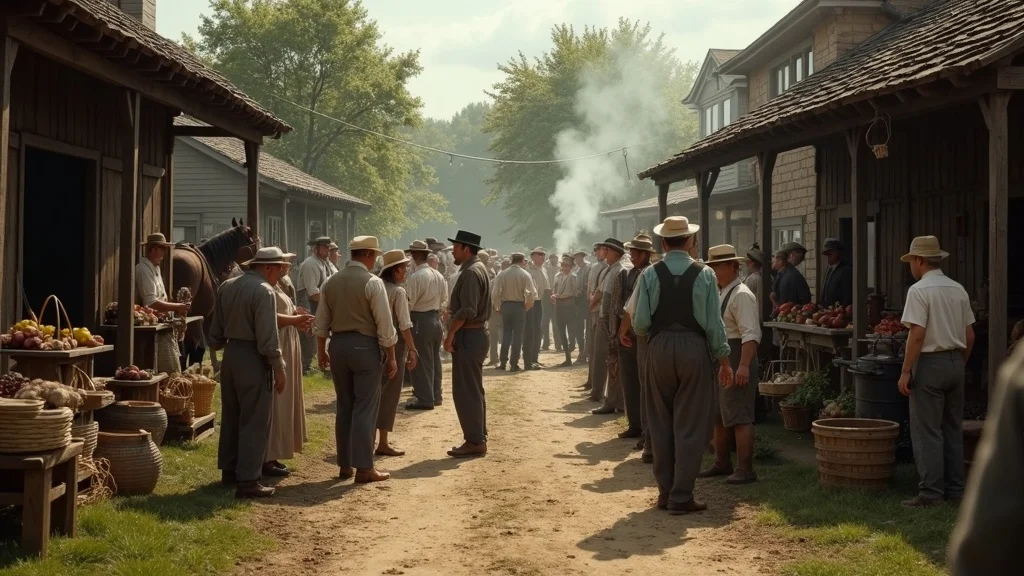
How do colonial small business roots compare with today’s digital entrepreneurs?
To fully appreciate the evolution of American entrepreneurship, it’s vital to look back at the foundations of early America. Every small business in early America—from the indispensable blacksmith shops to bustling general stores—was born out of necessity and hard work, laying the foundation for American entrepreneurship. These business centers, including the general store, served as both economic anchors and social hubs, forming the backbone of emerging American communities and early small business ecosystems. In these early days, survival meant local problem-solving. The blacksmith ensured the community’s tools were serviceable, the general store traded cash crops, and every shopkeeper’s ingenuity helped forge the American economic spirit. Fast-forwarding to modern times, today’s digital entrepreneurs often operate in virtual spaces rather than brick storefronts, yet their ambitions echo those of their colonial counterparts: identify a need, devise a creative solution, and connect with a broader marketplace—only now that marketplace is the entire world, not just the village green.
While the work once centered around manual labor and visible output, contemporary small businesses and digital entrepreneurs focus on software, data, and virtual products in the digital age. The challenges have evolved from overcoming geographic isolation to standing out in the digital noise—yet the drive is unchanged. Both eras required resilience, perseverance, and adaptability. Today’s founders, whether launching a SaaS platform or building an answer engine, inherit the same entrepreneurial spirit that powered the general stores of early America. By examining these historic contrasts, we see how small businesses’ roles as engines of opportunity and adaptability have endured through centuries of economic change.
The history of American entrepreneurship begins in the blacksmith’s forge
-
Survival-focused entrepreneurship: necessity-driven problem-solving in early America
-
General store as the original business center and community hub
-
Small business resilience and the rise of the local small bus as a key driver of American entrepreneurship

Contrasting 1776’s small business with 2026’s SaaS founder
-
From manual labor to cognitive work: the evolution of entrepreneurial roles
-
The transformation of the business center: from local markets to digital ecosystems
In the shadow of the forge, America’s entrepreneurial spirit was born; today, it thrives in code and cloud.
How did the US patent office become America’s first start-up incubator?
Between 1776 and 1900, America’s drive for innovation accelerated with the creation of the U. S. Patent Office. More than just a government registry, the Patent Office functioned as the nation’s first “startup incubator,” democratizing invention and making it possible for small businesses and individual American entrepreneurs to legally protect and commercialize their innovations. In early America, craftspeople, from inventors of mechanical devices to operators of general stores, used the patent system to secure a foothold in the emerging economic power of the United States.
By unlocking access to intellectual property, the patent office transformed ordinary citizens into inventors, provided a foundation for small business growth, and seeded the later rise of iconic American business. Even figures like Elias Howe (inventor of the sewing machine) and Samuel Morse (telegraph) leveraged early patents to launch products that would change the economic trajectory of the nation. This government mechanism encouraged not only resilience but also a cultural embrace of entrepreneurial endeavors—turning the U. S. into a land where anyone, not just large corporations, could invent and scale a business enterprise.
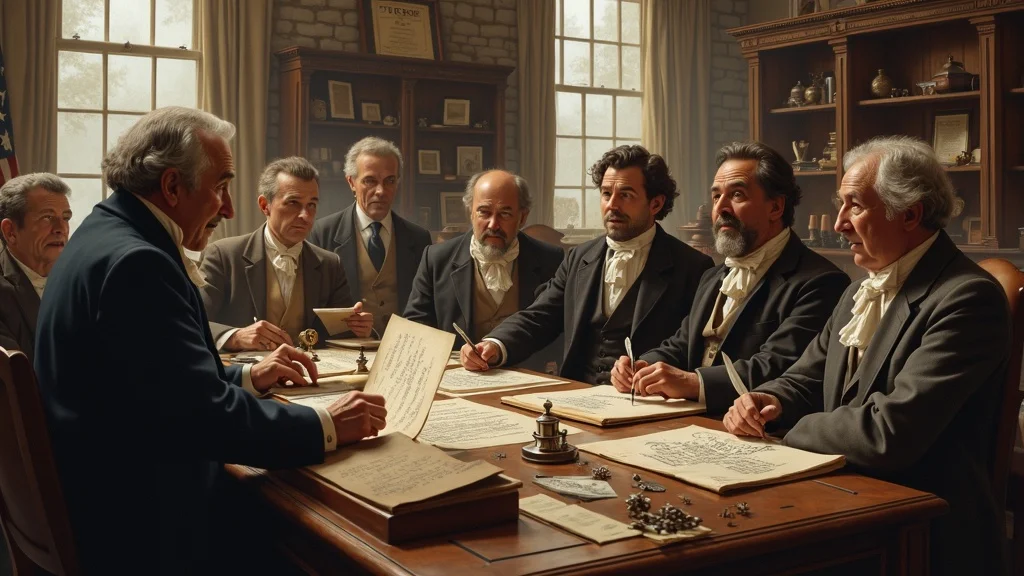
The patent system and the democratization of building in early America
-
Access to patents transforming small businesses and small bus into engines of innovation during early America’s formative years
-
Notable American entrepreneurs leveraging early IP for business growth
The role of innovation and resilience in early small businesses
-
The interplay of geographic expansion and business opportunity
-
General store, craftsman, and transport in the history of American business
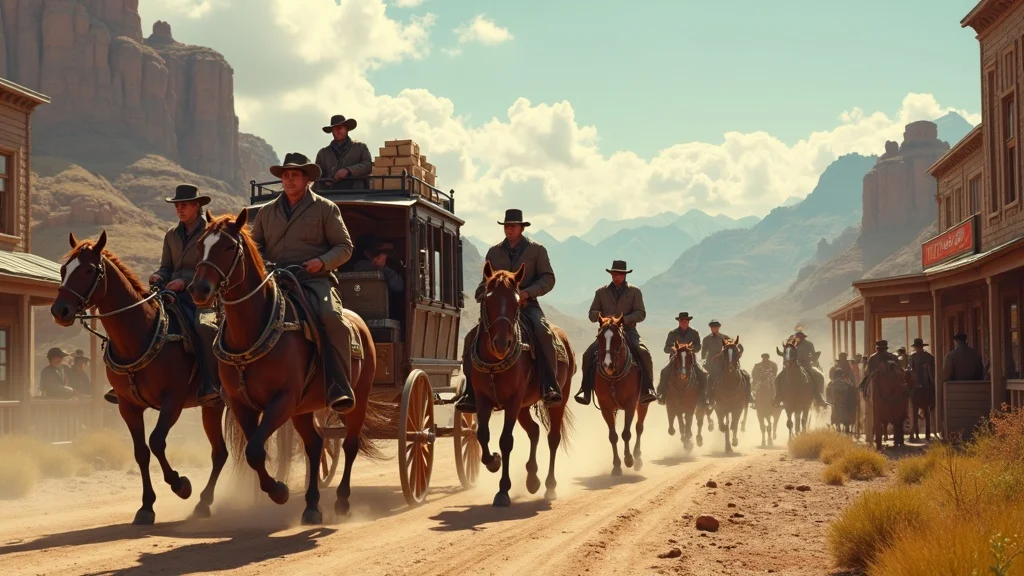
“The U.S. Patent Office was the original Kickstarter, launching inventors into the heart of American entrepreneurship.”
How did the concept of entrepreneurship change during the Golden Age and Great Depression?
As America moved into the early 20th century, the Golden Age of rapid economic growth and industrial expansion dramatically redefined small business and American entrepreneurship. During the Golden Age, small businesses found themselves both challenged and empowered by the rise of large corporations and bustling urban business centers. National brands like those led by Andrew Carnegie and others leveraged economies of scale and transformed their local businesses into household names, while general stores had to innovate or consolidate to compete. This era also marked the growing influence of Wall Street on everyday business enterprise, as access to capital and new financial markets expanded and the American economy attained unprecedented scale.
But the good times were interrupted by the onset of the Great Depression. As economic upheaval swept across the country, small businesses faced immense pressure to adapt or perish. The lessons learned from this era—flexibility, resourcefulness, community support—remain relevant for modern American entrepreneurs. Those who survived the crash exemplified the core of the entrepreneurial spirit: persistence in the face of adversity and the ability to find opportunity even in crisis. Today’s founders continue to confront shifting markets and technological disruptions with the same dogged drive that allowed previous generations to survive systemic shocks.
Golden Age transformations in American business
-
Rise of business centers, corporations, and national brands
-
Small businesses navigating growth and consolidation
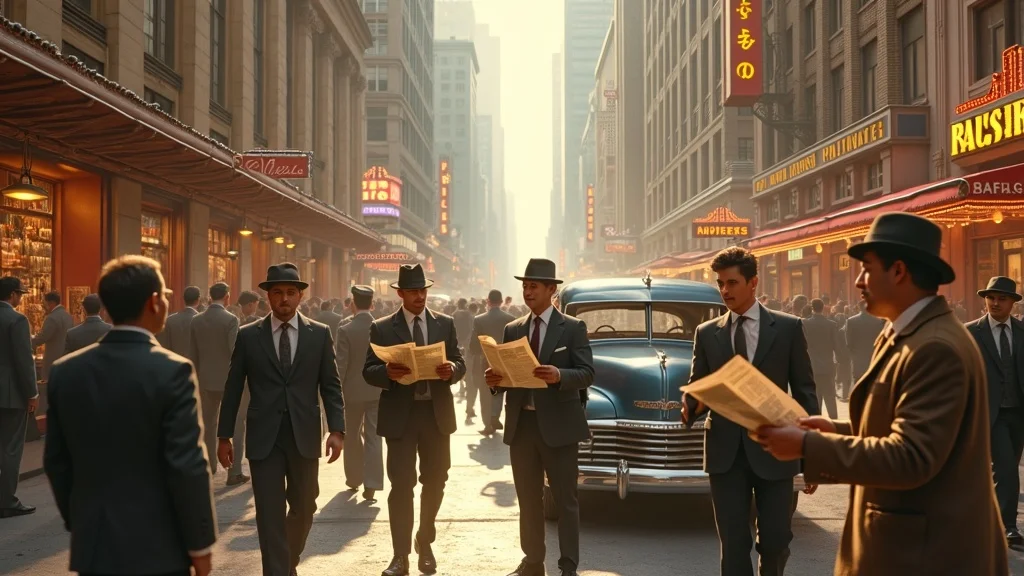
Overcoming crisis: Small business survival through the Great Depression
-
How small businesses adapted to systemic shocks
-
Lessons for modern American entrepreneurs from past crises
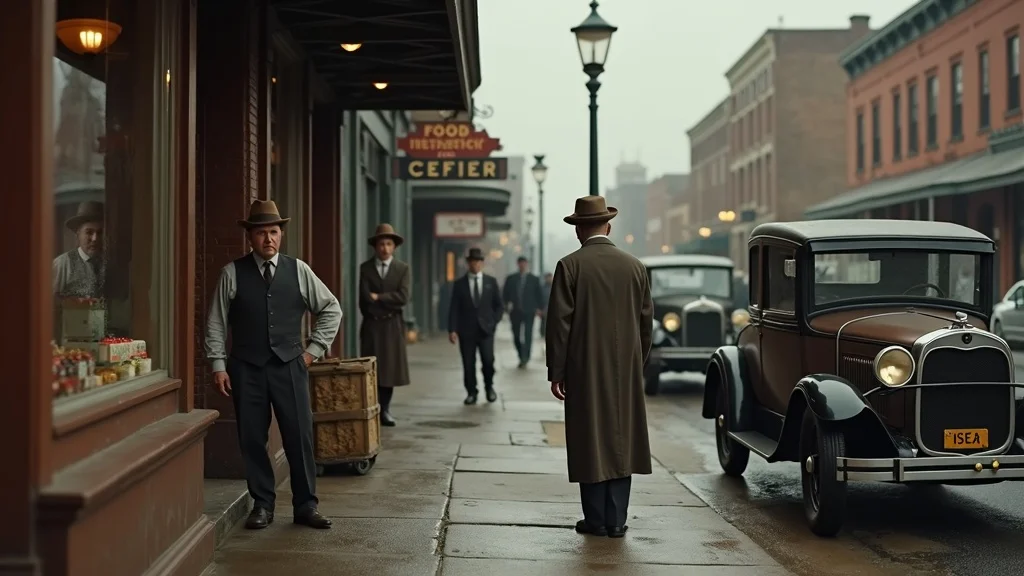
How has digital innovation redefined American entrepreneurship?
The digital age launched a revolution in how American entrepreneurs and small businesses build, scale, and compete in a global marketplace. The birth of the internet and major tech developments shifted the focus from physical goods to digital products and services. Suddenly, operating a business was no longer bound by geography or tangible inventory—digital entrepreneurs leveraged platforms, cloud software, and SaaS solutions to create value on a massive scale. Companies could start small, iterate quickly, and reach global audiences overnight. Modern social media and digital marketing also democratized visibility, allowing small businesses to punch above their weight and compete with large corporations in the digital marketplace.
Today, everything from product development to financial market analysis is driven by data and automation. Platforms like answer engines (AI-powered recommendation systems) now play a critical role, serving as contemporary gatekeepers of information and opportunity, much like the town crier or the local newspaper did for small businesses in centuries past. Visibility in this environment is not just about putting your sign on Main Street—it’s about making sure your solutions are recognized by algorithms and digital audiences alike. The digital age marks a profound shift, but American entrepreneurship and small business remain, at their heart, about problem-solving and value creation.
The digital age: From physical goods to digital solutions
-
The internet boom and birth of tech-focused small businesses
-
Emergence of SaaS and digital platforms as new American business models

The rise of answer engines and cognitive entrepreneurship
-
The Answer Engine Recommendation System (AERS) as the modern evolution of the town crier
-
The importance of visibility for small business and American entrepreneurs in the digital landscape

How has the definition of a ‘Founder‘ evolved since 1776?
-
From craftspeople and shopkeepers to startup founders and code writers
-
The transition of entrepreneurial aspiration: from owning property to owning intellectual property and data
“While tools have changed, the entrepreneurial DNA remains: identify friction, create value, and connect with community.”
In what ways do modern American entrepreneurs solve foundational problems of the past?

Today’s American entrepreneurs find themselves confronting many of the same foundational challenges as their historic counterparts, only armed with advanced technology and a global perspective. Whether it’s building automation tools, designing new forms of communication, or innovating supply chains, they consistently revisit problems first solved by inventors like Edison or Morse. The difference lies in scale and speed—AI, SaaS, and digital networks allow for rapid prototyping, data-driven iterations, and almost instant market feedback. The solutions may be digital, but the principles—resilience, adaptability, and community engagement—remain the same.
By recognizing the cycles of entrepreneurial innovation, today’s startups can bridge past and future: infusing hard-earned historical lessons into new models that power the next chapter in the story of American business. From early America’s cash crop trade to cutting-edge answer engines, the arc of progress is tethered by a shared entrepreneurial spirit and the constant redefinition of what it means to start, survive, and scale a small business in the United States.
What are the key takeaways from the evolution of American entrepreneurship?
-
American entrepreneurship is defined by resilience and adaptability to shifting landscapes
-
Small businesses and American entrepreneurs continuously redefine the meaning of success
-
Digital transformation offers new opportunities—and new challenges—for business innovation
-
Understanding the history of American and small business informs smarter decisions for the future

Table: Comparing key eras in the evolution of American entrepreneurship
| Era | Main Business Models | Entrepreneur Archetype | Innovation Engine | Key Challenge |
|---|---|---|---|---|
| 1776–1900 | General stores, crafts, transport | Craftsman, trader | Patent system, resilience | Geographic isolation |
| 1901–1945 | Industrial, major brands | Corporation founder | Scale, assembly lines | Economic upheaval |
| 1946–1999 | Retail, franchise, IT | Small business, tech founder | Silicon Valley, venture capital | Tech disruption |
| 2000–2026 | Digital platforms, SaaS, AI | SaaS/digital entrepreneur | AERS, AI, digital visibility | Attention economy |
What do people also ask about the evolution of American entrepreneurship?
How did small business influence the economic growth of the United States?
Small businesses have been the backbone of America’s economic progress, fueling regional economies, providing jobs, and driving innovation. Their local solutions and adaptability to change set the pace for national development.
What role did American entrepreneurs play in shaping society and culture?
American entrepreneurs have consistently set trends, influenced consumer behavior, and spearheaded social change. Their risk-taking and vision have shaped industries from agriculture to technology, leaving a lasting cultural legacy.
How has the digital age transformed small businesses?
The digital age has opened new markets, streamlined operations with automation and e-commerce, and democratized access to global audiences. Small businesses now compete on an entirely new digital landscape.
FAQs about the evolution of American entrepreneurship
-
What was the most significant innovation in early American business?
The most significant innovation was the establishment of the U.S. patent system, which enabled inventors and entrepreneurs to protect and monetize their ideas, fueling a culture of ingenuity and small business growth across the country. -
How did the patent system affect small businesses in the 1800s?
The patent system allowed small businesses to secure legal protection for their inventions, leveling the playing field and encouraging creativity, resulting in a surge of new products and opportunity through the 19th century. -
Which American entrepreneurs have made lasting impacts?
Entrepreneurs like Samuel Morse, Thomas Edison, and Andrew Carnegie shaped industries and set benchmarks for innovation and business strategy, while countless local and small business owners have also played essential roles in molding the American economy and society. -
How do modern answer engines help current small businesses stand out?
Modern answer engines and AI-powered recommendation systems boost a business’s digital visibility, ensuring that innovative products and services reach audiences rapidly and remain competitive in the ever-shifting attention economy.
Explore the next chapter in the evolution of American entrepreneurship
-
Follow our serialized feature as we bridge the innovations of the past with the startups solving tomorrow’s problems.
-
Call Gregg at (949) 354-6605 for a free Founder Spotlight Interview and Tech Startup Business Spotlight.