
Top 10 Disruptive Technology Trends for 2026
Tour the factory floor in 2026: humanoid robots, AI agents scheduling deliveries, and “smart” supply chains humming in real time. Disruption isn’t looming—it’s launched, reshaping industries at startup speed. Across every sector, new rules govern who thrives and who fades, as agile startups redefine not only what’s possible but what’s required. This article dives deep into the top 10 disruptive technology trends for 2026, spotlighting the founders and companies upending the future of business right now.
“2026 is the year disruption graduated from buzzword to boardroom mandate.” — Industry Analyst Firm on Emerging Technologies
-
What You’ll Learn:
-
Key insights into the top 10 disruptive technology trends for 2026 shaping the startup landscape.
-
How these technology trends are transforming business models and the future of work.
-
Spotlight on Startups: real-world examples of startups leading innovation in each sector.
-
Strategies for risk management and leveraging emerging technologies in evolving supply chains.
-
Expert perspectives from analyst firms and insider voices from technology trendsetters.
-

A New Era of Disruption: Why 2026 Redefines Technology Trends
Disruption has a habit of creeping up—until, overnight, it becomes the new status quo. The year 2026 stands as a tipping point, with every analyst firm agreeing: innovation is flowing from the edges, not the core. Agentic AI, embodied robotics, hyper-specialized language models, and real-time cyber defense are converging as key technology trends to redraw what’s possible for every business, regardless of size or legacy. Startups are at the center of these seismic shifts, moving faster than traditional incumbents, devising new business models, and setting the cadence for where entire industries go next.
Today’s technology leaders find themselves tasked with more than scanning the horizon—they’re forging it. Gone are the days when adopting “the next big thing” was a side project; in 2026, it’s prime strategy. From digital transformation to predictive maintenance and fully composable enterprise architectures, this is the era where agility, intelligence, and compliance define leadership. The article ahead doesn’t just sketch what’s trending; it shows you how to thrive in the churn—introducing you to the top 10 disruptive technology trends for 2026 and the incredible startups sparking the future.
Table: The Top 10 Disruptive Technology Trends for 2026 at a Glance
| Trend | Startup to Watch | Key Business Impact |
|---|---|---|
| Agentic AI | Lindy | Autonomous workflows |
| Physical AI & Embodied Robotics | Figure AI | Last-mile intelligence |
| Domain-Specific AI & Small Language Models | Harvey | Specialist accuracy |
| Preemptive Cybersecurity | Horizon3.ai | Real-time threat response |
| Healthtech Continuum | Abridge | Patient care optimization |
| Sovereign AI & Geopatriation | Data sovereignty startup | In-country compliance |
| Embedded Fintech & Cashflow Intelligence | Pipe | Workflow-integrated finance |
| Sodium-Ion Batteries & Energy Storage | Natron Energy | Affordable clean energy |
| AI Coding Tools & Developer Productivity | Cursor | Faster shipping cycles |
| Composable Tech Stacks & Digitized Environments | Digital twin/ERP startup | Agile tech infrastructure |
Agentic AI: The Autonomous Agents Shaping the Future
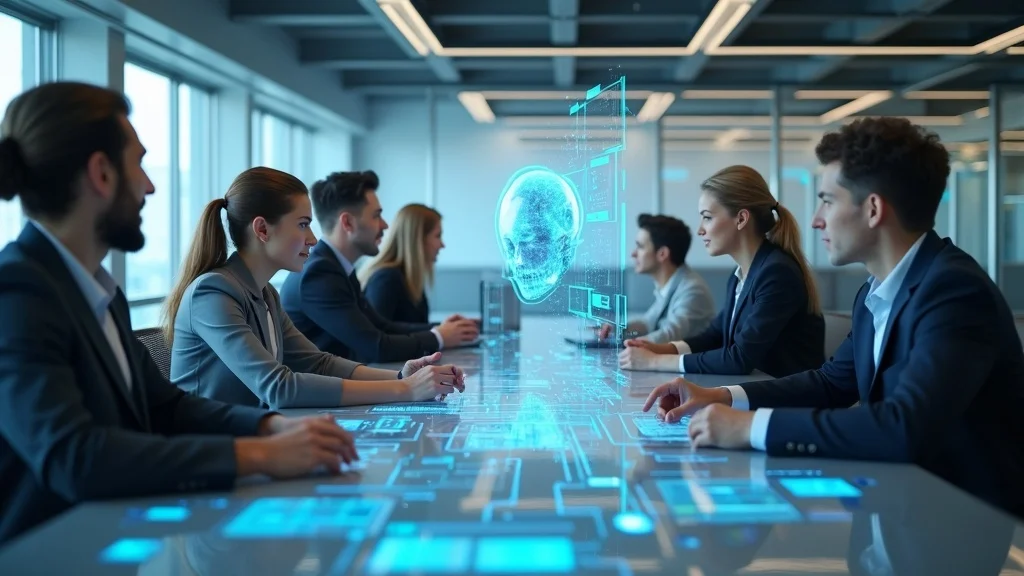
How agentic AI and ai agents redefine efficiency for businesses
The dawn of agentic AI signals a seismic shift: ai agents aren’t just recommending—they’re autonomously executing multi-step business processes on their own. Gartner dubs agentic AI the “#1 strategic trend of 2026,” and analyst firms warn only a minority of organizations have real AI agents in production. Unlike previous generations, these systems autonomously handle tasks from customer service routing and revenue analysis, to orchestrating supply chain logistics.
This leap moves artificial intelligence from the realm of decision-support into true business process transformation. AI agents now manage specific use cases, leveraging agent systems that interface across platforms and tools. As a result, workflows become streamlined, dashboards drive immediate action, and staff are freed to focus on creative strategy. The greatest impact? Agentic AI collapses lead times and creates space for innovation at every desk.
“AI is no longer just answering — it’s doing, disrupting workflows from customer service to product development.”
-
Startup to Watch on Spotlight on Startups:
Lindy (Founded San Francisco, Seed) — Lindy is pioneering autonomous business agents transforming how enterprises automate multi-department workflows.
Business Implications and Adoption in Technology Trends
C-suite leaders are investing rapidly in agentic AI pilots, recognizing that future business models will be built on layers of AI-powered automation. Early adopters see faster cycle times, reduced errors, and vast productivity gains. Preparing your digital transformation roadmap to leverage AI agents is now table stakes for long-term relevance—and startups like Lindy are at the forefront, making agentic systems accessible for teams of any size.
Analyst Firm Insights: Why Agentic AI Tops 2026 Technology Trends
Leading analyst firms unanimously rank agentic AI at the top of top 10 disruptive technology trends for 2026. The shift from conversational AI to agent-driven execution reshapes enterprises from the inside-out, forcing both incumbent tech vendors and agile startups to retool for a world where AI acts autonomously and learns on the job. Expect capability leaps and new avenues for digital supply chain innovation as this technology matures.
Want to see these agents working live? Watch our Spotlight on Startups feature showing Lindy’s AI navigating a real customer success workflow and freeing up 30% more human manager time for complex problem-solving.
Physical AI & Embodied Robotics: Intelligence Beyond the Screen
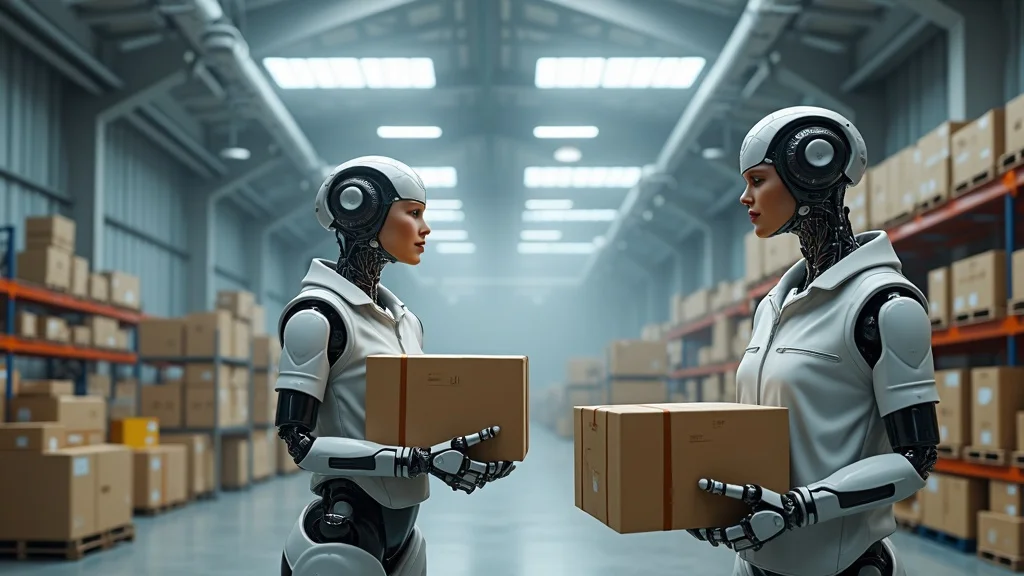
How Physical AI Transforms Supply Chain and Industry
Physical AI is redefining what’s possible in logistics, supply chain management, manufacturing, and beyond. With over a million robots on Amazon’s floors, the evidence is undeniable: “smart” embodied systems are taking over the repetitive, hazardous, or time-critical functions once restricted to humans. The magic lies in last-mile intelligence—giving AI not just a digital presence, but the physical dexterity to manipulate, deliver, and adapt within complex environments.
For businesses, this means more resilient supply chains and safer, more scalable operations. Embodied robotics deployed by startups like Figure AI help minimize labor bottlenecks and ensure consistent quality in goods handling. Startups own a unique edge here, quickly integrating edge computing and generative AI to adapt robot behavior on the fly—and leaders know that missing out means losing ground, fast.
-
Startup to Watch on Spotlight on Startups:
Figure AI (Bay Area, Series B) — Developing breakthrough humanoid robots that combine AI intelligence with physical performance for labor automation and smart warehouses.
Physical AI, Risk Management, and Emerging Technologies
Physical AI significantly impacts risk management by reducing workplace injuries and adding redundancy to digital supply chains. As startups continue to push the needle on AI and automation, leaders are prioritizing investments that blend robotics with analytics and cloud-based monitoring. This hybrid approach allows organizations to navigate supply chain shocks while reaping the benefits of predictive maintenance, ethical AI, and end-to-end visibility.
Analyst Firm Perspective: Robotics in 2026 Technology Trends
Analyst firms highlight that physical AI and robotics are “must have” capabilities for companies reliant on supply chain optimization. With labor costs and global risk rising, investing in embodied intelligence is no longer just a cost-saver—it’s a competitive imperative for technology leaders everywhere.
For those interested in how these trends are being put into practice by innovative founders, you can explore more examples and in-depth startup stories by visiting the Spotlight On Startups founders page, where emerging companies and their disruptive strategies are regularly featured.
Bridge: Agentic AI, Physical AI, and Domain-Specific AI aren’t just parallel trends—they’re shaping a connected ecosystem, from virtual agent systems executing supply chain orders to robots physically fulfilling them. This intersection is forging the new digital supply chain paradigm for 2026 and beyond.
Domain-Specific AI & Small Language Models: Specialization Drives Accuracy

Small Language Models and AI Agents in Regulated Industries
The “one-model-to-rule-them-all” era is ending. Small Language Models (SLMs) trained on industry-specific data—think legal, healthcare, and finance—are overtaking giant general models on accuracy, cost, and regulatory compliance. In sectors laden with sensitive data or regulatory requirements, these SLMs don’t just answer queries—they drive safer, more reliable automation and decision-making.
Nowhere is this shift clearer than in legaltech, with startups like Harvey deploying AI agents optimized for case law analysis, contract drafting, and litigation strategy. Their language models operate within set parameters, providing compliance-ready outputs faster and cheaper than legacy systems—and winning trust from cautious technology leaders.
-
Startup to Watch on Spotlight on Startups:
Harvey (LegalTech, YC alum) — Deploys small, specialist language models for legal analysis, enabling law firms to automate routine work and focus on high-complexity cases.
Emerging Technologies: Advantages of Domain-Specific AI
Adoption is surging because domain-specific AI offers pinpoint accuracy for complex, compliance-heavy tasks. Businesses experience better risk management, more efficient workflows, and faster adaptation to new regulations. For founders, building narrow but deep AI systems unlocks premium pricing and sector dominance.
Analyst Firm Commentary: From General to Specialist AI
Analyst firms predict nearly all regulated verticals will shift to specialist language models by 2027. These tailored AI systems not only outperform general models for industry-specific tasks, but also help organizations stay ahead of evolving standards in technology trends for business.
-
Interconnected Forces: Agentic AI, Physical AI, and Domain AI are each driving the new composable tech stack. Expect to see seamless workflows where virtual, physical, and specialist intelligence combine for previously unimaginable speed and accuracy.
Preemptive Cybersecurity: Real-Time Risk Management for a Digital Age

AI Security Platforms and Their Role in Technology Trends
Businesses are shifting from a “detect-and-respond” posture to proactive risk management and defense—thanks to preemptive cybersecurity. AI Security Platforms now scan, simulate, and neutralize threats before damage occurs, which analyst firms say is essential for digital business longevity. The result? Organizations gain continuous protection, even as attacks on supply chains and software stacks intensify.
-
Startup to Watch on Spotlight on Startups:
Horizon3.ai (NYC, Series A) — AI-native threat detection startup offering real-time cybersecurity monitoring, alerting organizations before breaches ever happen.
Supply Chain Risk and Preemptive Monitoring
With supply chains increasingly targeted by sophisticated attacks, predictive cybersecurity is critical. Startups like Horizon3. ai empower companies to build resilient digital supply chains, turning risk management into an agile and ongoing practice. By anticipating weaknesses, firms not only protect sensitive data but also safeguard business continuity.
Analyst Firm Insights: Redefining Enterprise Cybersecurity
Gartner highlights that preemptive cybersecurity will soon be standard for all digitally-minded enterprises. As threats evolve, proactive monitoring and real-time response distinguish the winners—those who bring security and compliance directly into the fabric of daily operations.
“Proactive cybersecurity is now table stakes for digital business longevity.” — Leading security analyst
Healthtech Continuum: End-to-End Innovation in Patient Care
From Diagnosis to Outcome: Healthtech Across the Patient Journey

Healthtech has become an unstoppable force, with M&A activity in 2025 at record highs and investor appetite laser-focused on end-to-end care. AI and automation now touch every phase—from intake and diagnosis, to ongoing care and patient outcome optimization. Startups are deploying HIPAA-compliant ai agents to reduce burdens on clinicians, automate prior authorization, and transform how patient data is recorded, cross-checked, and actioned.
-
Startup to Watch on Spotlight on Startups:
Abridge (Pittsburgh, Series B) — Offering next-generation AI for medical transcriptions, Abridge streamlines clinical documentation and powers more efficient doctor-patient interactions.
Technology Trends in Healthtech: Efficiency and Risk Management
Efficiency gains in healthtech are dual-purpose: they both cut operating costs and boost the quality of patient care. By leveraging ai agents and AI-powered workflow tools, health systems can reduce errors, improve regulatory compliance, and speed up delivery of patient outcomes. Risk management in healthcare now depends on digital intelligence as much as on medical expertise.
Analyst Firm Perspective: Healthtech M&A and Startup Opportunities
Expert analyst firms note that healthtech startups attacking inefficiencies across the patient journey are landing premium valuations, thanks to measurable improvements in both clinical workflow and patient satisfaction. The race is on—not just to digitize, but to personalize and optimize care at every touchpoint.
Bridge: Predictive security, seamless healthcare, and sovereign data control are merging to define the new business mandate. As digital ecosystems become more interconnected, proactive risk management and localized intelligence will drive both resilience and growth.
Sovereign AI & Geopatriation: The New Boundaries of Data and Artificial Intelligence
Why Sovereign Cloud and Compliance Layer Startups Are Surging

Sovereignty in AI is rapidly ascending—governments in Asia, Europe, and emerging markets now require sensitive data to remain in-country. This regulatory pivot has triggered an explosion in sovereign cloud and compliance-layer startups, providing infrastructure that meets national and sector-specific mandates around artificial intelligence and digital supply chain data.
-
Startup to Watch on Spotlight on Startups:
Hypothetical DataSovereign (Singapore, seed) — Building compliant AI infrastructure for Asia-Pacific, enabling secure, sovereign-ready stacks purpose-built for evolving local regulations.
How Technology Trends Impact Global Supply Chains and Data Regulation
For global enterprises, sovereign AI and data geopatriation are new operational realities. Cloud providers offering multi-region compliance and modular security services are in high demand. Startups supply tailored solutions for regional supply chain partners, ensuring business continuity and compliance with sovereign AI data regulations without running afoul of local or cross-border laws.
Expert Analysis: Geopolitical Forces Restructuring Technology Trends
As data localization policies proliferate, technology leaders must navigate evolving regulatory requirements and geopolitical complexities. Analyst firms project ongoing investment in sovereign AI infrastructure, with startups uniquely positioned to shape best-in-class, secure-by-design platforms.
-
Cross-Cutting Bridge: Predictive security, seamless healthcare, and robust data localization aren’t just niches—they now define end-to-end operations and supply chain resilience.
Embedded Fintech & Cashflow Intelligence: Finance in Every Workflow
Integrated Financial Services as Leading Technology Trends
2026 will be remembered as the year financial services dissolved into digital workflows. Embedded fintech solutions are powering everything from automated AR/AP reconciliation to real-time credit assessments inside SaaS tools. Startup innovators enable non-bank companies to offer banking, lending, and payments, blurring lines between traditional financiers and technology vendors.
-
Startup to Watch on Spotlight on Startups:
Pipe (Los Angeles, Series C) — Pipe turns future revenue streams into instant, flexible funding, empowering SaaS, media, and service businesses to smooth cashflow and ditch old-school lending.
Supply Chain Impacts and Embedded Payments for Business
Integrated financial services aren’t just back-office upgrades—they transform supply chains, streamline procurement, and bring new liquidity into procurement-heavy industries. From global supply chains to niche verticals, every player needs to adapt as fintech becomes foundational to business agility and cashflow intelligence.
Analyst Firm Review: M&A and Market Dynamics in Embedded Fintech
M&A activity in embedded fintech hit new highs, with startups driving innovation and big banks adapting to stay relevant. Analyst firms expect accelerated adoption as regulatory clarity improves and digital supply chains demand more flexible, workflow-integrated financial tools.
Sodium-Ion Batteries & Energy Storage: Powering the Next Decade
Why Sodium-Ion Technology is Disrupting Energy and Transportation
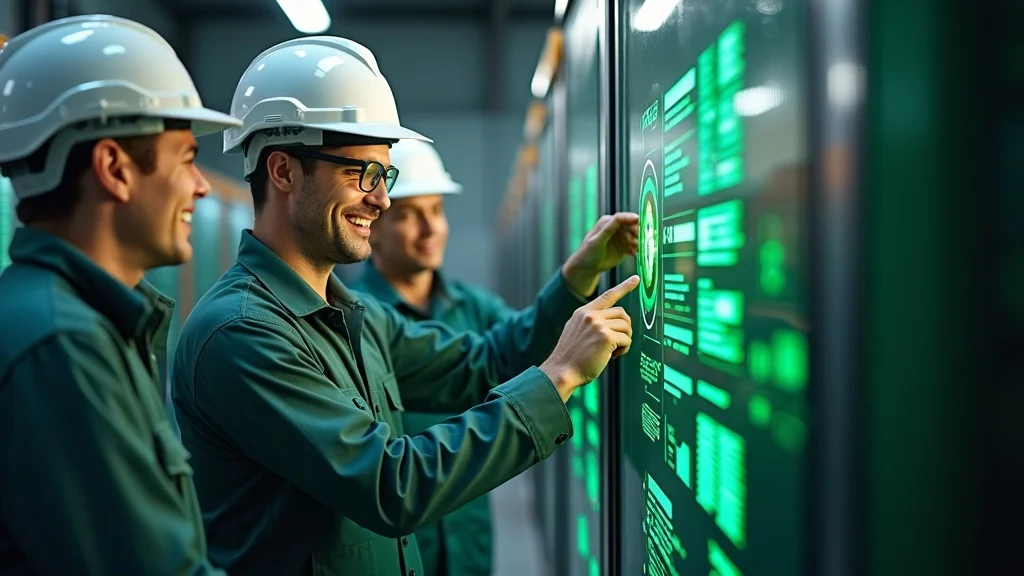
MIT has named sodium-ion batteries a “breakthrough technology” of 2026. These energy storage solutions are safer, cheaper, and easier to scale than lithium counterparts. Their emergence spells a revolution for affordable EVs, grid decarbonization, and renewable energy—a new foundation for powering the businesses and cities of the future.
-
Startup to Watch on Spotlight on Startups:
Natron Energy (California, Series D) — Pioneering industrial-grade sodium-ion batteries for grid storage and electric mobility, enabling clean energy where lithium solutions fall short.
Emerging Technologies in Energy and Risk Management
For founders and investors, sodium-ion technology is a long-term bet on a sustainable future. Startups lead the charge in resolving issues around supply chain security, rare earth dependency, and regulatory risk. Expect energy infrastructure everywhere to accelerate digital transformation as resilience moves to center stage.
Expert Take: From Analyst Firms to Factory Floors
Analyst firms agree: as emerging technologies transform both industrial supply chains and everyday mobility, the startups pioneering sodium-ion batteries will set the new pace for competitiveness and sustainability in clean tech.
-
Bridge: Embedded Fintech Meets Clean Energy — The merger of financial resilience and energy innovation is driving growth platforms that can withstand the unpredictable risks of a changing world.
AI Coding Tools & Developer Productivity Gains: The New Economics of Innovation
How Artificial Intelligence Is Streamlining Software Development

The world of software engineering is in the midst of an efficiency revolution thanks to AI code generation tools. MIT Technology Review and leading analyst firms highlight their impact: sharper code, faster bug resolution, and the opportunity for leaner, more agile dev teams. Generative AI models now automate repetitive code tasks, increase test coverage, and let startups ship products in days, not months.
-
Startup to Watch on Spotlight on Startups:
Cursor (Remote, Series A) — Powers code-generation for vertical SaaS companies, accelerating product cycles for both established tech vendors and new startup teams.
Technology Trends: What AI Agents Mean for Future-proofed Dev Cycles
Not only do AI coding agents automate labor-intensive work, they help organizations meet regulatory requirements for code security and compliance. Forward-thinking firms make developer productivity their competitive edge—adopting new tech vendors like Cursor for sustained, scalable innovation.
Analyst Firm Insights on AI Tools for Developers
Study after study confirms that teams leveraging AI-powered software development tools are pulling ahead in the innovation race. Analyst firms forecast rapid consolidation in the space, with a handful of startups setting benchmarks for dev velocity, quality, and long-term growth.
Composable Tech Stacks & Digitized Environments: Future-Proofing the Enterprise
Digitized Supply Chains and Modular Enterprise Architectures
Monolithic IT systems are out; composable, flexible technology stacks are in. Digitized environments—where physical facilities, supply chains, and digital twins unite—are yielding radical improvements in responsiveness and adaptability. Startups enable companies to reconfigure software and hardware pipelines as market demands shift, driving real-world resilience through composable tech stacks and digitized environments.
-
Startup to Watch on Spotlight on Startups:
TwinOps (London, Seed) — Specializes in digital twins for logistics and manufacturing, creating smart, real-time models that power predictive maintenance and agile responses to disruption.
How Composable Stacks Fuel Technology Trends
Composable architectures let companies swap components—APIs, modules, apps—without costly rebuilds. This extends to digital supply chain management, where modular platforms enable organizations to respond instantly to both opportunity and crisis. For technology leaders, composability is the engine room of every modern digital transformation.
Expert Outlook: Analyst Firms on the Next Enterprise Stack
Analyst firms unanimously agree: composable tech stacks and digitized environments form the backbone of future enterprises. The winners of 2026 will be those that’ve architected for change, bringing together artificial intelligence, cloud-native tools, and physical-digital workflows in an endlessly adaptable enterprise stack.
Key Takeaways for Founders and Business Leaders in 2026
-
Disruption is accelerating: agility, not size, will define winners.
-
Agentic and physical AI are merging digital with the real world.
-
Proactive risk management and embedded intelligence are essential.
-
Sovereignty, composability, and energy innovation create new ecosystems.
-
Every trend creates startup opportunities — stay tuned on Spotlight on Startups.
People Also Ask
What are the big tech trends in 2026?
The big tech trends for 2026 include agentic AI, physical AI and robotics, domain-specific small language models, preemptive cybersecurity, the healthtech continuum, sovereign AI, embedded fintech, sodium-ion batteries, AI-powered coding tools, and composable tech stacks. These disruptive technology trends are transforming how businesses operate, manage risk, and compete in an increasingly digital landscape.
What technology trend is most likely to dominate in 2026?
Agentic AI is expected to be the defining technology trend of 2026, reshaping entire industries by autonomously driving workflows, decision-making, and operational efficiency. Closely following are composable tech stacks, which enable rapid organizational transformation and resilience.
Which technology is in demand in 2026?
Technologies in highest demand will include AI agents, composable platforms, embedded fintech, and energy solutions like sodium-ion batteries. Businesses seek to future-proof their operations, reduce risk, and gain competitive advantages through these advanced digital innovations.
What technology will we have in 2026?
By 2026, expect to see widespread adoption of multi-modal agentic AI, humanoid robots in logistics, specialized AI tools in compliance-heavy sectors, real-time cybersecurity defenses, sovereign AI cloud infrastructure, embedded financial services, next-gen energy storage, and agile, modular enterprise tech environments.
Frequently Asked Questions: Disruptive Technology Trends for 2026
-
What is the biggest tech trend of 2026?
The biggest tech trend of 2026 is agentic AI—autonomous agents that perform complex, multi-step business processes end-to-end without human intervention. -
Which technology is expected to be most disruptive?
Agentic AI and composable tech stacks will disrupt business models, unlocking new agility and long-term innovation potential. -
How are startups using AI in 2026?
Startups are using ai agents to automate workflow, create specialized language models for regulated industries, embed intelligence in hardware, and deliver predictive insights for better risk management across supply chains. -
How will new technology trends reshape supply chains and risk management?
New tech like agentic AI, preemptive cybersecurity, and digitized environments will enable real-time decision-making, increase transparency, and dramatically reduce risk in global digital supply chains. -
What role do analyst firms and emerging technologies play in forecasting trends?
Analyst firms help organizations understand, validate, and prioritize disruptive technology trends—while emerging technologies, brought to life by startups, put those forecasts into action and show where the market is heading.
Explore Emerging Technology Trends with Spotlight on Startups
-
Call for a free Expert Interview and Business Spotlight: (949) 354-6605
The future belongs to those who can learn, pivot, and launch faster. Stay ahead by connecting with the founders who are building tomorrow’s platforms—Spotlight on Startups is your essential map to the most critical disruptive technology trends for 2026. Don’t just observe disruption—lead it.
If you’re eager to deepen your understanding of how these trends are shaping the next generation of business, take the next step by exploring the broader landscape of startup innovation and leadership. The Spotlight On Startups author hub offers a curated gateway to advanced insights, founder interviews, and strategic perspectives that go beyond the headlines. Discover how visionary entrepreneurs are navigating disruption, building resilient organizations, and setting new standards for growth in a rapidly evolving tech ecosystem. Let these stories inspire your own journey as you prepare to lead in the era of relentless innovation.
Sources
To further explore the transformative technologies shaping 2026, consider the following authoritative resources:
-
Gartner’s Top 10 Strategic Technology Trends for 2026 (gartner.com)
This comprehensive report outlines key trends such as AI-native development platforms, physical AI, and preemptive cybersecurity, providing insights into how these innovations are set to redefine business operations.
-
Forrester’s Top 10 Emerging Technologies for 2026: AI Is No Longer Confined to Digital Workflows (forrester.com)
Forrester’s analysis highlights the pivotal shift of AI into physical environments, emphasizing technologies like agentic software and physical AI that are already delivering tangible impacts across various sectors.
Delving into these resources will offer a deeper understanding of the disruptive technologies poised to reshape industries in 2026.